Best Practices for Sustainable Sobriety in RECO Island Winter
RECO Island’s winter sobriety guide: beat SAD, crush cravings, thrive with eco-therapy, fitness & community support this season.
Embarking on the Winter Resilience Quest at RECO Island
Setting intentions for sustainable sobriety
Establishing clear winter intentions helps anchor motivation when festivities, travel, or shorter daylight hours test resolve. Counselors guide participants in mapping values to actionable steps, creating a personal charter that reinforces mindful holiday trigger management and winter relapse prevention. Writing goals in present-tense language boosts confidence and reinforces identity transformation. Clients then revisit these statements during winter mindfulness meditation sessions, deepening commitment. Many also review the sustainable sobriety resources at RECO Island to align daily tasks with broader life vision.
A second pillar of intention work involves defining non-negotiable wellness routines. Morning gratitude journaling practice fosters optimism, while scheduled eco-therapy recovery walks keep spirits lifted. Participants list three achievable wellness promises each week-such as attending peer meetings or practicing cognitive behavioral techniques-then share progress in a peer accountability circle. This transparency nurtures sober community support and celebrates incremental victories. Consistency, rather than intensity, remains the guiding principle.
Understanding seasonal affective resilience
Seasonal shifts can spark mood fluctuations that undermine sobriety, so developing seasonal affective resilience is key. RECO clinicians screen early for depressive patterns and co-occurring anxiety, adjusting treatment plans swiftly. Light exposure therapy, structured sleep hygiene, and winter fitness for sobriety classes maintain circadian balance. Clients learn to track emotional weather with simple mood charts, catching subtle dips before cravings intensify. Empowerment grows when individuals see data confirming progress.
Education on neurobiology further demystifies mood swings. Team members explain how serotonin and dopamine pathways respond to limited daylight, using plain language and visuals. This knowledge reduces fear and fuels proactive coping, such as integrating omega-3-rich recovery-focused nutrition balance into meals. Group discussions highlight community wisdom-someone’s tip about brisk sunrise walks may become another’s daily ritual. Sharing these strategies reinforces collective resilience and deepens connection.
Aligning with the RECO philosophy of lifelong recovery
True healing extends far beyond detox or outpatient phases; it is a lifelong journey rooted in purpose. RECO Island’s philosophy intertwines therapeutic innovation with heartfelt compassion, ensuring every guest feels seen, heard, and valued. Winter programming therefore blends advanced recovery science with intentional self-care routine cultivation. Clients practice spiritual grounding exercises beside the Atlantic, reminding them that recovery thrives in nature and fellowship.
Alumni frequently return to mentor newcomers, illustrating the continuum of care in action. Their stories demonstrate that sustainable sobriety flourishes when individuals remain engaged with holistic addiction aftercare resources. Regular check-ins, sober holiday traditions, and resilience coaching strategies keep momentum strong even after formal programming. In this way RECO Island embodies its mission: climbing the mountain of recovery together, season after season.
Forging the Cold Season Advanced Recovery Toolkit
Mindful holiday trigger management strategies
The winter calendar often overflows with sparkling gatherings, travel, and nostalgic rituals that can ignite dormant cravings. To prepare, RECO therapists recommend reading the guide about coping with holiday triggers on RECO Island. This resource turns potential stressors into planned opportunities for mindful holiday trigger management. Clients list expected sensory cues, brainstorm replacement behaviors, and rehearse calm breathing before events. Practicing this visualization lowers anxiety and primes sustainable sobriety when real-time pressure hits.
Another tactic involves curating a personalized sober soundtrack for holiday travel or shopping trips. Music distraction engages multiple neural networks, interrupting ruminations about alcohol with uplifting rhythms. Some participants keep peppermint oil in a pocket, using its brisk aroma as a grounding sensory reset. They also alert supportive friends through messaging apps before walking into busy gatherings. This digital peer accountability circle reinforces commitment and supplies instant encouragement if urges surface. Finally, sober travel planning includes booking accommodations near meeting hubs and setting realistic schedules that value rest.
Cognitive behavioral techniques for alcohol craving management
Cold evenings can magnify loneliness, making cravings feel urgent and unavoidable. Cognitive behavioral techniques provide structured antidotes by dissecting the thought-craving-behavior chain. At RECO Island, clinicians teach clients to name irrational beliefs driving urges, such as "one drink will warm me." Writing the belief on paper, then disputing it with factual evidence, breaks the automatic reflex. Clients replace the myth with a coping statement like "warm tea and blankets nurture me without consequences."
The next tool, urge surfing, harnesses mindfulness to ride the wave of craving until it crests and fades. Clients focus on breath flow, labeling bodily sensations like tingling or jaw tightness without judgment. By observing rather than resisting, they learn cravings peak within minutes, not hours. Journaling each experience strengthens data-driven confidence and contributes to winter relapse prevention tracking. Later, those entries serve as teaching examples during group sessions on drug rehab best practices.
Lastly, RECO counselors incorporate imaginative rehearsal, instructing clients to visualize refusing alcohol in detail. They picture the sequence: a friend offers, they meet eyes, smile, and politely decline while grounding their feet. Repeating this scenario daily wires neural pathways that favor sober choices under pressure. Such mental drills qualify as cognitive behavioral techniques while doubling as a winter mindfulness meditation practice. Participants often share their favorite visualizations with the RECO Island alumni network, expanding collective wisdom.
Recovery focused nutrition balance and winter fitness for sobriety
Nutrition shapes neurochemistry, especially during chilly months when comfort foods tempt with empty calories. RECO dietitians advocate a recovery-focused nutrition balance that stabilizes blood sugar and serotonin simultaneously. Clients plan plates using the color rule, ensuring vegetables, lean protein, and whole grains dominate with vibrant variety. Omega-3 rich salmon supports mood, while tryptophan-laden turkey assists melatonin production for restorative sleep. Balancing macronutrients this way boosts both seasonal affective resilience and overall mental health maintenance.
Movement remains the second pillar of winter wellness, yet dropping temperatures can crush motivation. RECO trainers design indoor circuits using resistance bands and bodyweight to maintain winter fitness for sobriety. Thirty-minute sessions elevate endorphins, replicate outdoor exertion, and strengthen cardiovascular resilience. Clients log exercise data alongside mood ratings, revealing direct links between movement and craving reduction. Many supplement gym work with sunrise beach walks, integrating eco-therapy recovery into daily routine despite the chill.
Hydration strategies also evolve in cold air. People often forget water when sweat seems minimal, yet dehydration intensifies fatigue and false hunger signals. Clients carry insulated bottles of citrus-infused water, setting alarms every hour during extended indoor sessions. This ritual becomes another intentional self-care routine reinforcing sustainable sobriety. Combined with balanced meals, hydration underpins the advanced recovery toolkit that outlasts winter storms.
Eco therapy recovery and winter outdoor therapy options
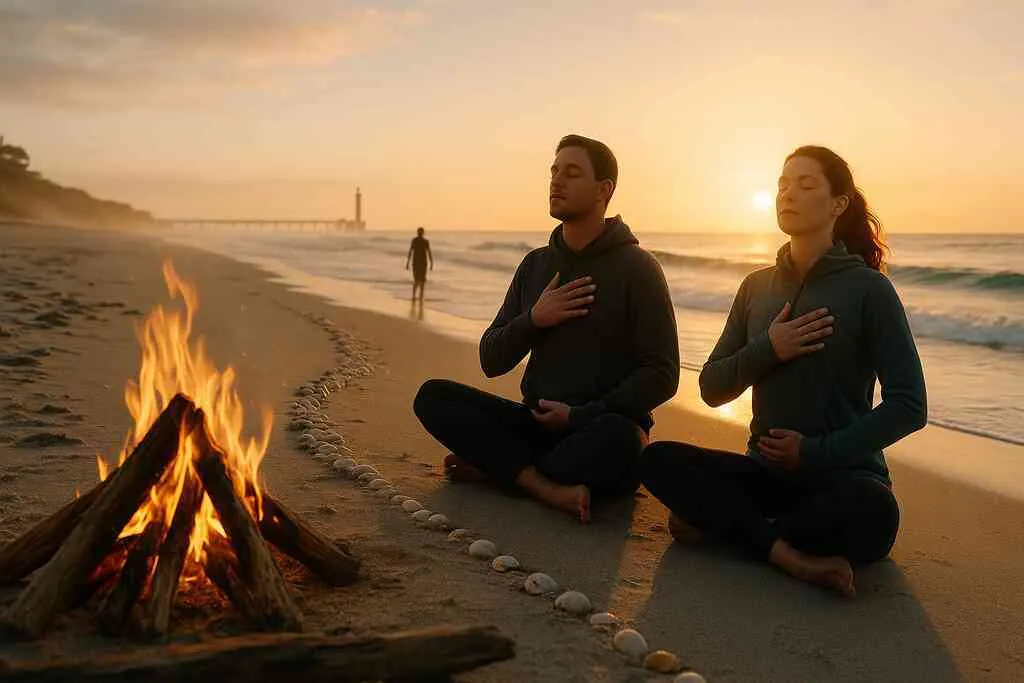
Florida’s mild coastal climate allows RECO winter wellness programs to utilize nature even during the coldest weeks. Eco-therapy recovery sessions convene at dawn beside gentle Atlantic waves, fostering deep breathing synchronized with tides. The sensory palette-salt air, pink horizons, cool sand-grounds participants quickly, making mindfulness easier than in sterile rooms. Clients report craving intensity dropping within minutes of barefoot walking meditation. This simple practice proves that cold-season coping skills can still bloom outdoors with minimal equipment.
For deeper therapeutic mileage, guides incorporate forest-bathing excursions in nearby mangrove preserves. The filtered winter sun there projects emerald patterns, naturally stimulating parasympathetic response and lowering cortisol. Group members pause frequently to practice gratitude journaling practice, describing colors, textures, and bird calls. Sharing entries afterward builds sober community support while reinforcing sensory memory of tranquil scenes. Those memories later serve as mental refuges during urban stress, demonstrating portable winter outdoor therapy benefits.
Adventures also include kayaking along Intracoastal channels where manatees surface in crisp morning light. Stroke rhythm becomes a moving meditation, aligning body, breath, and purpose. Participants finish with gentle hatha stretching on shore, integrating spiritual grounding exercises into a physical cooldown. These micro-retreats cultivate joy, a crucial yet often overlooked element in the addiction treatment continuum. Joyful memories counterbalance winter gloom, fortifying seasonal affective resilience without pharmacological intervention.
Intentional self care routine for mental health maintenance
Self-care cannot be an optional extra when temperatures drop and schedules tighten. RECO clinicians help clients architect intentional self-care routines that anchor daily rhythm. Morning begins with ten conscious breaths, a practice small enough to sustain yet powerful enough to reset. Many follow with five minutes of gentle stretching, informing joints that movement remains possible despite cold air. Clients then track mood using color dots, providing early data on relapse warning signs.
Midday checkpoints involve balanced nutrition, hydration, and a two-minute gratitude journaling practice. Documenting three positive observations shifts cognition toward hope, which is the antidote to hopelessness fueling cravings. Next, clients schedule fifteen minutes of winter mindfulness meditation, preferably near a sunny window or therapy lamp. This deliberate pause calms sympathetic activation and realigns priorities with recovery goal setting. Repeated daily, the routine becomes muscle memory, eliminating willpower debates that often sabotage mental health maintenance.
Evening rituals close the loop by integrating reflection and community. Participants attend virtual peer accountability circles or in-person meetings, sharing victories and frustrations in equal measure. A warm herbal bath with lavender oil signals the nervous system that rest is approaching. Before sleep, they read a page from inspirational recovery literature, wiring their subconscious mind toward resilience coaching strategies overnight. Each component might seem small, yet together they weave a safety net of holistic addiction aftercare lasting long beyond winter.
 Cultivating Community Strength and Island Resources
 Cultivating Community Strength and Island Resources
Leveraging RECO Island alumni network and peer accountability circles
RECO Island alumni gather weekly for fireside reflections that renew purpose. Their lived example turns abstract hope into a tangible possibility for newcomers. During each meeting, members highlight winter relapse prevention successes and share fresh cold-season coping skills. New clients watch how gratitude journaling practice evolves into a lifelong habit through consistent modeling. This intergenerational dialogue strengthens sober community support while reinforcing sustainable sobriety.
Accountability circles deepen that bond by pairing guests with mentors who track recovery goal setting in real time. Partners text before and after challenging events, bolstering mindful holiday trigger management through immediate feedback. Discussions focus on recognizing subtle relapse warning signs like sleep shifts or rising irritability. Because everyone keeps data logs, reflections stay objective and solution-oriented. Over time, this structure becomes an advanced recovery toolkit that functions long after formal programming ends.
Integrating trauma informed care and co-occurring disorders support
Many individuals arrive carrying layered histories that fuel cravings beneath the surface. Clinicians therefore weave trauma-informed care into every therapeutic touchpoint, ensuring safety, choice, and collaboration. When PTSD flares, staff employ cognitive behavioral techniques and winter mindfulness meditation to calm the nervous system. Clients then practice intentional self-care routines that anchor mental health maintenance even on stormy nights. Such integrated work reduces risk and promotes RECO winter wellness.
Simultaneously, therapists screen early for depression, anxiety, or bipolar patterns that can sabotage alcohol craving management. Personalized plans may include specialized groups focused on co-occurring disorders care at RECO Island. Here, education demystifies diagnosis, while peer stories replace stigma with solidarity. The combined approach honors holistic addiction aftercare by addressing mind, body, and spirit together. Participants exit sessions feeling validated, regulated, and prepared for community reintegration.
Sober holiday traditions and strategic travel planning
Winter gatherings sparkle with nostalgia yet often center on eggnog or champagne. RECO guides help clients design sober holiday traditions that celebrate connection without compromise. Activities include sunrise eco-therapy recovery walks, ornament crafting parties, and potluck dinners featuring recovery-focused nutrition balance. Families receive scripts to explain new boundaries with warmth, preventing awkwardness while protecting sustainable sobriety. Joy replaces deprivation when meaning drives the ritual.
Strategic travel planning further guards progress. Before leaving town, travelers map meeting locations, pack calming playlists, and rehearse airport peer accountability circle check-ins. They schedule buffer days for rest because fatigue magnifies relapse warning signs. Packing peppermint oil or grounding stones offers discreet sensory resets during layovers. With foresight, sober travel planning becomes another proof point that freedom flourishes within intentional structure.
Harnessing medical health therapy and holistic addiction aftercare
Some guests benefit from pharmacological support that stabilizes neurochemistry during early recovery. Medical professionals evaluate options that align with drug rehab best practices and individual biology. When indicated, medication-assisted treatment blends with counseling to reduce cravings and enhance seasonal affective resilience. Regular reviews prevent dependency while validating the science behind comprehensive care. Transparency keeps clients empowered rather than passive.
Beyond prescriptions, holistic services like acupuncture, yoga, and winter fitness for sobriety classes round out the plan. Nutritionists adjust menus to sustain serotonin, and coaches teach resilience coaching strategies for daytime energy management. As discharge nears, staff connect clients with community providers, ensuring the addiction treatment continuum never pauses. Alumni often describe this layered framework as the backbone of their lifelong momentum.
Building resilience through spiritual grounding exercises
Spiritual grounding exercises invite individuals to connect with forces larger than personal struggle. Dawn meditations on the sand begin with rhythmic breathing that matches incoming waves. Participants silently repeat affirmations that honor growth and surrender. The ritual promotes parasympathetic calm, enhancing seasonal affective resilience before daily tasks start. Many describe the practice as soul hydration.
Even indoor sessions carry similar power. Clients create personal altars featuring shells, recovery coins, or inspirational quotes, then practice five-minute centering pauses during stress spikes. Counselors encourage incorporating winter outdoor therapy elements like collected pine cones or seawater vials for multisensory cues. Over weeks, these habits integrate into normal life, providing quick resets during urban commutes or family disputes. Ultimately, spiritual alignment fortifies the inner landscape, making external triggers less daunting.
Charting Lifelong Momentum Beyond the Chill
Recognizing early relapse warning signs
Subtle shifts often precede full relapse, so learning to notice them protects sustainable sobriety. Clients track mood, energy, and sleep to flag emerging patterns. When irritability rises or meeting attendance drops, seasonal affective resilience techniques activate immediately. Breathing drills and brief winter mindfulness meditation sessions stabilize emotions before cravings escalate. Documented observations reinforce mental health maintenance while empowering data-driven decisions.
Winter relapse prevention also depends on external awareness. Loved ones join peer accountability circles, watching for secrecy or skipping meals. Cold-season coping skills such as warm herbal teas replace alcohol craving management during lonely evenings. Participants message support partners the moment uneasy feelings appear, turning potential slips into growth opportunities. Over time, vigilance becomes second nature rather than stressful hyper-monitoring.
Applying resilience coaching strategies to future goals
Resilience coaching strategies help transform short-term victories into lifelong habits. Counselors guide clients through realistic recovery goal setting that honors current strengths. Goals remain specific, measurable, and flexible, preventing discouragement when weather or travel disrupts routines. Each benchmark links back to the advanced recovery toolkit, ensuring new behaviors reinforce earlier therapy gains. Reflection sessions celebrate progress while refining next steps.
Visualization augments planning by rehearsing success scenarios. Clients imagine presenting at work confidently or enjoying sober holiday traditions without fear. These mental movies wire the brain for achievement, making execution feel familiar later. Regular check-ins adjust milestones as confidence grows, maintaining momentum long after frost fades. Purposeful direction reduces boredom, a frequent trigger for relapse.
Gratitude journaling practice for sustained motivation
Gratitude journaling practice counteracts negative bias that often shadows early recovery. Writing three sincere appreciations each morning boosts dopamine and primes optimism. Clients note simple joys-sunlit waves, supportive texts, or delicious recovery-focused nutrition balance. The act redirects attention from deprivation toward abundance, sustaining motivation on challenging days. Over weeks, gratitude becomes an automatic thought pattern rather than a forced exercise.
Evening reflections deepen the process by pairing entries with spiritual grounding exercises. Participants recall moments they applied cognitive behavioral techniques successfully and thank themselves for perseverance. This compassionate stance reinforces self-efficacy, a cornerstone of winter relapse prevention. Many add a brief winter mindfulness meditation after writing, locking insights into memory before sleep. These rituals knit emotional resilience that carries through spring.
Maintaining the addiction treatment continuum with RECO
Sustainable sobriety thrives when support remains seamless, and RECO excels at continuum design. Case managers outline alumni events, telehealth check-ins, and refresh weeks before discharge. Resources like the life after treatment planning on RECO Island guide illustrate post-program options with clarity. Access to medical treatment options for relapse prevention, holistic addiction aftercare, and drug rehab best practices stays open, eliminating gaps. Knowing help is one call away lowers anxiety and bolsters confidence.
During colder months, RECO winter wellness workshops revisit core skills while introducing new ones. Topics include winter fitness for sobriety, sober travel planning, and intentional self-care routine adjustments. Alumni share lived experience-what worked, what failed, and how they course-corrected. Continuous learning keeps the addiction treatment continuum dynamic rather than static. Clients feel partnered, not abandoned, as they evolve.
Celebrating growth through sober community milestones
Recognition fuels perseverance, so RECO Island builds celebrations into every recovery stage. Monthly gatherings spotlight achievements like ninety-day chips or completing eco-therapy recovery challenges. Applause from the RECO Island alumni network validates effort and fosters sober community support. Group photos and personal reflections become tangible reminders during future low moments. Joyful acknowledgment replaces the hollow highs once pursued through substances.
Milestones extend beyond abstinence numbers. Completing a winter outdoor therapy hike, leading a peer accountability circle, or mastering new winter life skills for sustainable recovery earns equal praise. Such variety honors diverse strengths and keeps motivation high. Participants often craft commemorative art pieces, integrating creativity into healing. These ceremonies reinforce identity transformation and inspire newcomers, perpetuating a culture of hope.
Frequently Asked Questions
 Frequently Asked Questions
Question: How does RECO Island help guests build seasonal affective resilience during the colder months?
Answer: RECO Island blends science and holistic practice to counter winter mood dips. Clinicians screen early for depression, then incorporate light-exposure therapy, structured sleep hygiene, and recovery-focused nutrition balance rich in omega-3s and complex carbs. Daily winter mindfulness meditation, cognitive behavioral techniques, and winter fitness for sobriety classes stabilize serotonin and dopamine, while eco-therapy recovery walks at sunrise provide natural vitamin D and fresh coastal air. This multifaceted approach keeps energy high, cravings low, and sustainable sobriety on track all season long.
Question: What role do the RECO Island alumni network and peer accountability circle play in winter relapse prevention?
Answer: Community is the heartbeat of RECO. Alumni return for weekly fireside reflections, modeling cold-season coping skills and sharing real-time relapse warning signs. Peer accountability circles pair newcomers with seasoned graduates who text before and after high-risk events, reinforcing recovery goal setting and alcohol craving management. Because everyone logs mood, sleep, and activity data, conversations stay solution-focused and evidence-based. This sober community support structure offers 24/7 encouragement, making winter triggers far less daunting.
Question: In the blog Best Practices for Sustainable Sobriety in RECO Island Winter, eco-therapy recovery is highlighted. What winter outdoor therapy options are available around Boynton Beach?
Answer: Even in January, South Florida‘s mild climate lets RECO guests harness nature. Dawn beach meditations synchronize breath with Atlantic waves, instantly grounding the nervous system. Guided forest-bathing in nearby mangrove preserves lowers cortisol while clients practice gratitude journaling. Kayaking along the Intracoastal introduces rhythmic movement and encounters with manatees-turning exercise into spiritual grounding exercises. These winter outdoor therapy sessions boost mood, build resilience, and remind participants that joy is a powerful relapse deterrent.
Question: How can RECO Island support mindful holiday trigger management and sober travel planning over the festive season?
Answer: Therapists create personalized trigger maps that list expected sights, smells, and social pressures, then rehearse coping responses using cognitive behavioral techniques and urge surfing. Clients craft sober soundtracks, carry peppermint oil for sensory resets, and set up digital check-ins with their peer accountability circle before entering parties or airports. The team also provides travel itineraries that include meeting hubs and rest days, ensuring winter relapse prevention is baked into every mile. With this strategic planning, celebrations become opportunities to strengthen-rather than test-sustainable sobriety.
Question: What makes RECO Island’s advanced recovery toolkit unique for sustainable sobriety and lifelong participation in the addiction treatment continuum?
Answer: RECO combines cutting-edge medical health therapy with holistic addiction aftercare in one seamless system. Clients receive individualized plans that may include medication-assisted treatment, trauma-informed care, and resilience coaching strategies alongside yoga, nutrition counseling, and winter fitness for sobriety routines. Progress is continually reviewed, and alumni remain connected through workshops, telehealth, and sober holiday traditions. This integrated, evidence-based framework equips individuals not just to get sober, but to thrive-season after season-within a supportive addiction treatment continuum.