The Difference Between SMART Recovery and 12 Step Groups
If you are comparing SMART Recovery vs. 12-step groups, you are probably trying to answer a practical question with real stakes. You may want support that fits your beliefs, your schedule, and your recovery stage. You may also feel unsure about walking into a room where everyone else seems to know the rules. That uncertainty […]

If you are comparing SMART Recovery vs. 12-step groups, you are probably trying to answer a practical question with real stakes. You may want support that fits your beliefs, your schedule, and your recovery stage. You may also feel unsure about walking into a room where everyone else seems to know the rules. That uncertainty is normal. In Delray Beach, where support options are everywhere, the challenge is not finding a meeting. It is finding the one that helps you stay honest and steady.
When you are choosing between SMART Recovery and 12 Step groups, what actually changes day to day
Why the meeting room feels different before anyone says a word
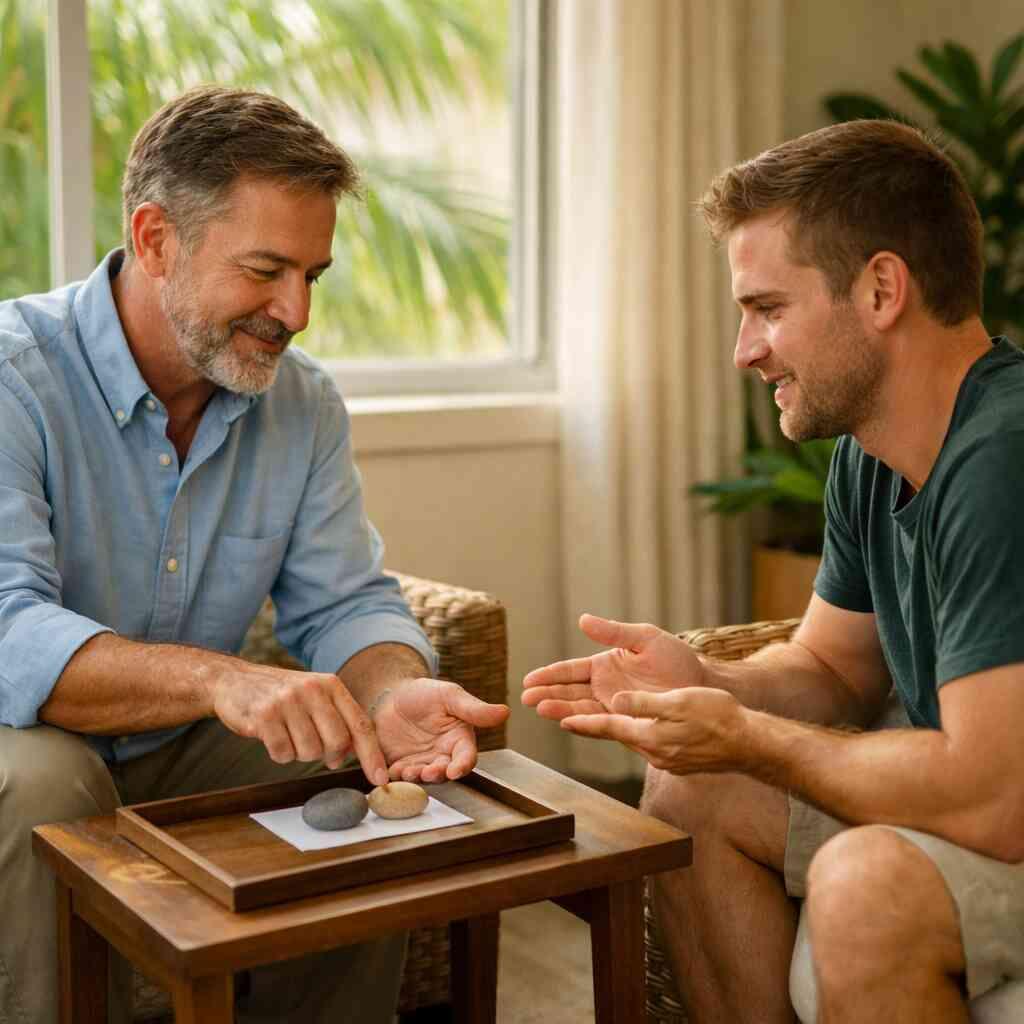
The first difference is the tone. SMART meetings usually feel structured, calm, and focused on problem-solving. Twelve Step rooms often feel more personal, more tradition-based, and more centered on shared experience. Neither setting is better for every person. The room where you can breathe matters.
On a practical level, SMART Recovery leans toward self-management and recovery training. Twelve Step groups lean toward mutual aid, humility, and surrender to a higher power. That can sound abstract until you sit down. Then it becomes very concrete. You hear the language, the pacing, and the kind of support people expect from one another.
If you are early in recovery, those differences can affect how safe you feel. The wrong fit can make you shut down. The right fit can make you pay attention. That is why many people in Delray Beach recovery resources try more than one recovery meeting format before settling into a routine.
The role of religion, spirituality, and personal belief in each path
This part is genuinely confusing for many people. SMART Recovery is secular. It does not require belief in God or any spiritual framework. Twelve Step groups often include spirituality in recovery, though the meaning of that word varies widely by group and person. For some, that openness is comforting. For others, it feels like a mismatch.
Here is the part most people miss: spirituality does not always mean religion. In some Twelve Step rooms, it means humility, service, and connection. In SMART meetings, the focus stays on tools, thoughts, and behavior. If religion has been painful for you, a secular recovery group may feel safer. If shared spiritual language helps you stay grounded, Twelve Step support may feel more natural.
The goal is not to force belief. The goal is to reduce harm and support change. That is why many people compare secular recovery groups and 12-step alternatives before they ever choose a home group.
What accountability looks like when the group is built around self-management versus surrender
Accountability shows up differently in each model. SMART Recovery asks you to look at your own thoughts, choices, and habits. You learn to test beliefs, manage urges, and build change-oriented recovery skills. The message is direct: you can influence your recovery through practice. Twelve Step groups frame accountability through honesty, community, and daily surrender to a recovery process larger than yourself.
That difference matters. Some people do best with structure and clear action plans. Others do best with ritual, repetition, and a sponsor who checks in. Neither style guarantees success, and nobody should promise that. What matters is fit, consistency, and honesty. If you need a room that keeps you focused on measurable habits, SMART may help. If you need a network of people who know relapse fear firsthand, Twelve Step may feel more stable.
Why this choice matters in Delray Beach recovery circles where support options are everywhere
Delray Beach has a deep recovery culture. That can help, but it can also overwhelm you. You may hear about outpatient program Delray Beach options, peer groups, sober living homes, and beachside recovery meetups all in the same week. The question is not what is available. The question is what helps you stay engaged after the first burst of motivation fades.
What we see in South Florida is simple: people who choose based on comfort alone often quit early. People who choose based on values, beliefs, and routine tend to last longer. That is especially true if you are balancing work, family, and the pull of Atlantic Avenue nightlife nearby. A good match should fit your real life, not just your best intentions.
The mindset split that makes one path feel structured and the other feel spiritual
How SMART Recovery uses self-empowerment and change-oriented tools
SMART Recovery is built around self-management and recovery training. It uses practical tools to help you respond to urges, challenge unhelpful thoughts, and make better decisions under stress. The mindset is active. You are not waiting for change to happen. You are practicing it.
That approach fits well with people who like clear steps and measurable goals. It also fits well with motivational interviewing and change-oriented recovery, because both approaches respect ambivalence. You do not have to pretend you are certain. You only have to stay engaged long enough to learn what works. In recovery, that honesty is a strength.
SMART also lines up naturally with self-empowerment in sobriety. You learn to notice patterns before they turn into action. You learn to build sustainable recovery habits. That can feel especially useful if you have tried to quit before and felt trapped by all-or-nothing thinking. Small changes matter. Repeated changes matter more.
Why 12 Step groups lean on shared experience, humility, and mutual aid
Twelve Step groups work through repetition, story, and community memory. People share what happened, what they learned, and where they still struggle. The structure asks for humility. It also asks for willingness to accept help. For many, that feels relieving. They no longer have to perform strength all the time.
Mutual aid is the engine here. People help each other stay sober through meetings, sponsorship, and service. That peer support for addiction can be powerful, especially after detox or during early abstinence. It gives you a place to return when shame starts to grow. It also creates accountability through relationships, not just goals.
In a Delray Beach recovery community, this can matter a lot. There are plenty of recovery meeting options in the local area, and many are built around long-standing peer networks. If you want Florida addiction recovery support groups, you will likely find both style and substance in the same neighborhood. The real question is which language keeps you coming back.
Where cognitive behavioral therapy in recovery fits naturally with SMART principles
SMART Recovery and cognitive behavioral therapy in recovery fit together well. CBT helps you notice the link between thoughts, feelings, and actions. That is the same basic chain SMART often addresses in meeting work. If you think, “I already messed up,” you may feel shame. Shame can lead to more use. CBT teaches you to interrupt that loop.
This is one reason SMART appeals to people who like evidence-based recovery support. It also fits patients who are already doing cognitive behavioral therapy in recovery support. The work inside and outside the meeting room can reinforce each other. That is useful if you are in outpatient recovery support and need tools you can use the same day.
A strong recovery plan does not rely on hope alone. It uses skills. It uses repetition. It uses feedback. Those are not cold ideas. They are often the difference between a shaky week and a stable one.
How spirituality in recovery can help some people and feel like a mismatch for others
Spirituality in recovery can give people meaning. It can help with guilt, grief, and the fear that life will never feel whole again. For some, that sense of connection becomes a stabilizing force. They need something larger than self-will. That is real, and it deserves respect.
For others, spiritual language can trigger doubt or discomfort. If you have trauma related to religion, being told to “surrender” may feel unsafe. If you prefer direct, practical language, SMART may feel more usable. Both reactions make sense. Neither makes you less serious about recovery.
One client in the Lake Worth area told a counselor that every spiritual phrase made them tense up. They did better in a secular group that focused on thoughts, triggers, and action plans. After a few weeks, they started talking more openly in meetings. The issue was never commitment. It was fit.
Inside the meeting format: what you will actually hear if you walk in tonight
The Four-Point Program and the kinds of recovery skills SMART groups teach
SMART Recovery centers on four points: building motivation, managing urges, managing thoughts and behaviors, and balancing life. That framework is simple on purpose. It gives you a map for the week ahead. It also makes relapse prevention skills easier to practice in real life.
A SMART meeting may include worksheets, discussion, and problem-solving. You might talk about cravings management strategies, coping skills for addiction recovery, or how to handle a stressful holiday dinner without using. The point is not to sound polished. The point is to be useful. That makes SMART a strong fit for people who want self-management and recovery training for sobriety.
What you hear is often direct and practical. People may discuss trigger chains, sleep problems, or how to rebuild routine after treatment. The mood can feel less ceremonial and more workshop-like. That clarity helps some people stay engaged.
How 12 Step meetings use readings, sharing, sponsorship, and group identity
Twelve Step meetings usually begin with readings. Then people share what is happening in their lives. The format may include group identity language, such as referring to members as part of the same fellowship. Sponsorship often matters too. A sponsor can help you work through steps, make calls, and stay connected.
That structure can feel grounding, especially if chaos has been a constant in your life. The repetition helps. You know what comes next. You know how to listen. You know how to speak when it is your turn. For someone who has been living in crisis mode, that predictability can be a relief.
The model also emphasizes service. People are encouraged to help newcomers, set up chairs, or read aloud. That can build belonging fast. It can also create pressure if you are not ready. Good meetings make room for both.
What group therapy versus peer support means when you are comparing support styles
Group therapy and peer support are related, but they are not the same. Group therapy is led by a licensed clinician. It often uses treatment goals, skills practice, and clinical feedback. Peer support is led by people with lived experience. It depends more on mutual understanding and shared recovery language. 
Both can be helpful. They serve different purposes. If you are in evidence-based recovery support in Delray Beach, you may benefit from both. Therapy can help you understand patterns. Peer support can help you keep going between appointments. That combination often works better than either one alone.
A person leaving a residential treatment facility may need both kinds of support. The clinical setting helps stabilize the early phase. The peer room helps with continuity. That is why continuity of care matters so much after discharge. Recovery is not just a feeling. It is a schedule.
How cravings, relapse prevention skills, and coping skills show up in each setting
Cravings do not ask permission. They arrive during traffic, after a fight, or late at night when the apartment feels too quiet. SMART meetings usually address cravings in a direct, skills-based way. Twelve Step meetings may address them through community, confession, and calling another member. Both can help. They just work through different routes.
The most effective plans include both insight and action. A person may learn a trigger plan in treatment, then use a sponsor or SMART worksheet when pressure rises. That is how coping skills become habits. It is also how cravings management and relapse prevention skills start to feel less theoretical.
You do not need perfect control. You need a repeatable response. That response may include breathing, movement, a call, a meeting, or a thought reset. The more specific the plan, the better.
When dual diagnosis enters the picture and the choice gets more personal
Why depression and addiction often need the same conversation
Depression and addiction often feed each other. Low mood can make alcohol or drug use feel like relief. Substance use can deepen hopelessness and drain motivation. That is why co-occurring disorders recovery needs both mental health and addiction treatment. Treating only one side leaves the other untouched.
If you are dealing with depression and addiction, your support group should fit that reality. A room that only talks about abstinence may miss the pain driving the use. A room that only talks about feelings may miss the behavior patterns keeping the cycle alive. The best care respects both.
This is where co-occurring disorders and dual diagnosis support becomes so important. NIDA and SAMHSA both emphasize integrated treatment for mental health and addiction recovery. That means the same team should pay attention to mood, substance use, sleep, and safety. No part of the picture should get ignored.
How trauma therapy South Florida, PTSD treatment, and anxiety treatment can change the support you need
Trauma changes how the nervous system reacts. That can affect cravings, sleep, anger, and trust. If you are dealing with trauma therapy South Florida needs, PTSD treatment, or anxiety treatment, your recovery support should be gentle and informed. A harsh group culture can make symptoms worse. A steadier one can help you stay present.
SMART may appeal to people who want less emotional intensity. Twelve Step may appeal to people who want witness and connection. But trauma changes the equation. You may need a room that does not push too fast. You may need treatment that teaches grounding, distress tolerance, and emotional regulation.
That is especially true in coastal communities like Delray Beach, where people often arrive carrying more than addiction. They may carry grief, panic, or family stress too. Good recovery support should make room for all of it.
Why some people respond better to evidence-based treatment that includes CBT, DBT, or EMDR trauma therapy
Evidence-based treatment means the approach has research support. CBT helps with thought patterns. DBT helps with emotion regulation, distress tolerance, and interpersonal skills. EMDR trauma therapy can help some people process traumatic memories in a structured way. These are not magic fixes. They are tools with a purpose.
If your recovery is complicated by anxiety, bipolar disorder therapy needs, or unresolved trauma, a skills-based group may feel more useful than a purely inspirational one. That is why some people prefer recovery education and skills training alongside peer support. They need language, structure, and repetition. They also need a team that understands mental health and addiction recovery as one linked issue.
A 2023 analysis in JAMA Network Open reinforced a simple point: recovery support works best when it matches the person’s needs and level of care. That is not surprising to people who do this work every day. Fit matters. Timing matters. So does follow-through.
How a mental health IOP or outpatient program Delray Beach can connect treatment with peer support
A mental health IOP gives you more structure than weekly therapy, but less than residential care. An outpatient program Delray Beach can connect you to therapy, medication support, and group work while you keep living at home. That is useful if you are returning from detox, stepping down from PHP, or balancing work and treatment.
This is also where peer support can fit in well. If you are doing mental health and addiction recovery in outpatient care, you may use a SMART meeting after lunch and a therapy session later in the week. You may also use 12 Step groups as aftercare support. The point is to build a system, not a single fix.
For many people, that system includes medication-assisted treatment too. FDA-approved options such as Suboxone maintenance or Vivitrol injections may be part of care for opioid or alcohol recovery, when clinically appropriate. Those decisions belong with licensed clinicians. They should always be individualized.
How to choose the right recovery pathway without guessing wrong
What to weigh if you are leaving a residential treatment facility or finishing PHP
If you are stepping down from a residential treatment facility or finishing PHP, the next support should be simple enough to keep. That means looking at your energy, your triggers, and your calendar. A good choice on paper can fail if it asks too much too soon. A modest plan you can repeat often usually works better.
Ask yourself a few honest questions:
- Do I need structure, or do I need flexibility?
- Do I want secular recovery groups, or am I comfortable with spiritual language?
- Do I learn best through worksheets, discussion, or both?
- Will this fit with my job, family, and transportation?
That kind of self-check is not overthinking. It is relapse prevention. It also supports aftercare planning, which should begin before discharge, not after trouble starts.
When 12 step alternatives make sense for people who want secular recovery groups
Some people want recovery without religious framing. They want 12-step alternatives that respect different beliefs and different life stories. SMART Recovery can be a strong fit there. So can other secular recovery groups. The best option is the one you will actually attend.
A lot of people assume they must choose one path forever. They do not. Many use SMART during one stage and Twelve Step later. Others do the reverse. Some combine both. Recovery rarely follows a neat script. It tends to follow need, readiness, and trust.
The question is not which model is more “correct.” The question is which one helps you build sustainable recovery habits. If you can stay engaged, show up honestly, and keep learning, that counts.
How family therapy, aftercare planning, and sober living resources support long term recovery
Recovery affects the whole home. That is why family therapy matters. Families often need help with boundaries, communication, and trust repair. If you have a parent, partner, or adult child who is still confused or frightened, family sessions can reduce chaos. They can also help the person in treatment feel less pulled in every direction.
Aftercare planning should include sober living resources, case management, and routine. It should also include practical supports like vocational support and life skills training. If you need a structured place to land, sober living can help bridge the gap between treatment and independent life. If you need ongoing support, an alumni program can keep you connected.
If family involvement is part of your plan, our family program can help support that continuity. That kind of connection matters most after the initial crisis fades.
What to ask about insurance verification, private rehab options, and local continuity of care near the Delray Beach recovery community
Before you choose a program or group, ask about insurance verification. Ask whether the center accepts Aetna, Cigna, Blue Cross Blue Shield, or out-of-network benefits. Ask about self-pay options too. These are practical questions, not awkward ones. Cost stress can derail care if you ignore it.
You should also ask how treatment connects to the local recovery community. If you are looking at a private rehab near the beach, continuity matters more than branding. Ask how the program supports aftercare support, alumni connection, and local meeting referrals. Ask how the team handles the intake process, case management, and ongoing coordination with outside providers.
If you want a place that understands the Delray Beach recovery community and the rhythm of South Florida recovery, start with one honest conversation. You do not have to map out every week today. You only need a plan that can hold your attention this week. If that means asking for insurance verification before you compare options, that is a smart move.
FAQ
How long does detox last at a Delray Beach rehab?
Detox length depends on the substance, how long you used it, and your medical needs. Alcohol, opioids, cocaine, fentanyl, heroin, benzodiazepines, and prescription pill addiction can each follow different timelines. Medical supervision matters, especially for benzo withdrawal and opioid withdrawal. A licensed team should review symptoms, medications, and safety before giving a range. If you need our medical detox process, ask for a clinical assessment.
What is PHP vs IOP?
PHP, or partial hospitalization program, usually offers more hours and more structure than IOP. IOP, or intensive outpatient, gives you meaningful support while allowing more flexibility for work, school, or family duties. Both can be useful after detox or residential treatment. The right level depends on your symptoms, stability, and relapse risk.
Can I bring my phone to treatment?
Policies vary by program and level of care. Some residential treatment facility programs restrict phones early on to help you focus. Others allow limited access at scheduled times. Ask during admissions so you know what to expect. Clear rules usually reduce stress.
Is family involved in the program?
Many programs include family therapy, education, or a family weekend. Family involvement can help with communication, boundaries, and long-term recovery. It is especially helpful when addiction has affected trust at home. The best level of involvement depends on safety, consent, and clinical guidance.
Does RECO Island take my insurance?
Coverage depends on your plan, network status, and level of care. The fastest way to know is through insurance verification. Ask about Aetna, Cigna, Blue Cross Blue Shield, out-of-network benefits, and self-pay options. A benefits check can clarify what is covered before you decide.
What if I need help for depression but not addiction?
That still matters. Depression, anxiety, bipolar disorder, PTSD, and trauma can all deserve care on their own. A mental health IOP or outpatient program may be appropriate, depending on severity. If substance use is also present, dual diagnosis treatment can help address both together.
What is the difference between SMART Recovery and 12 Step groups?
SMART Recovery uses secular, skills-based support. Twelve Step groups use peer support, mutual aid, and a spiritual or higher-power framework. SMART often fits people who want structure without religious language. Twelve Step often fits people who value shared experience and sponsorship. Many people try both before choosing a steady home group.
If you are sorting through options in Delray Beach, focus on fit, safety, and continuity. Pick one meeting, make one call, and ask one clear question about care or insurance today. You do not have to figure it out alone, and you do not have to solve everything at once.