What Are Life Skills RECO Island Embeds Post Treatment
Discover how RECO Island empowers recovery with life skills for a resilient future. Explore holistic growth post-treatment today!
Introduction: The Journey Beyond Recovery
The Essence of Life Skills in Post-Treatment Growth
The cultivation of life skills plays an essential role in the journey beyond recovery. Life skills are not merely tools that help individuals navigate their sober lives; they are the foundation upon which a healthy, fulfilling future is built. At RECO Island, life skills are deeply embedded into the post-treatment process, facilitating personal growth and resilience-building. By focusing on these skills, individuals gain the confidence and competence necessary to face the challenges of life after addiction recovery. This structured approach ensures that the transition from treatment to everyday life is both seamless and sustainable.
RECO Island’s Holistic Approach to Recovery
At RECO Island, recovery goes beyond overcoming addiction. The program embodies a holistic recovery approach that addresses not just the physical aspects of addiction but also the emotional, mental, and spiritual facets. This comprehensive approach emphasizes life skills development as a core component of recovery. Whether through workshops, individual counseling, or group sessions, RECO Island ensures that residents acquire the skills they need to thrive in sobriety. This holistic focus helps individuals not only recover but also rediscover their purpose and direction in life.
Building a Foundation for a Resilient Future
Building a resilient future requires more than the absence of substances. It involves fostering self-awareness, responsibility, and emotional intelligence. At RECO Island, the process of building this foundation is supported by a dedicated team committed to each individual’s success. By instilling essential life skills and reinforcing the value of a supportive recovery environment, RECO Island helps individuals rebuild their lives with newfound strength and determination. This solid foundation enables them to pursue their goals with clarity and persevere through life’s inevitable challenges.
Empowering Personal Growth: Core Life Skills at RECO Island
Emotional Intelligence: Navigating Sobriety with Self-Awareness
Emotional intelligence is a cornerstone of personal growth and recovery. At RECO Island, it is emphasized as a critical life skill that empowers individuals to navigate sobriety with genuine self-awareness. Understanding and managing one’s emotions can significantly enhance the ability to maintain sobriety and build positive relationships. This begins with recognizing emotional triggers and developing coping strategies to deal with stress and cravings. By cultivating emotional intelligence, individuals at RECO Island learn to respond rather than react, fostering healthier interactions and a more balanced life.
Effective Communication: Building Bridges to Healthy Relationships
Effective communication is essential for building and maintaining healthy relationships. At RECO Island, individuals learn how to express themselves clearly and listen actively. These skills are vital in any relationship, whether with family, friends, or peers in recovery. Through various activities and workshops, residents practice communication techniques that enhance their ability to convey thoughts and emotions constructively. This focus on communication enables them to build stronger, more meaningful connections, providing a supportive network that is crucial for a successful recovery journey.
Decision-Making Mastery: Crafting a Future Beyond Addiction
Decision-making is a vital skill that shapes one’s ability to craft a promising future beyond addiction. At RECO Island, residents are equipped with tools to sharpen their decision-making abilities. By learning to evaluate options carefully, consider potential outcomes, and reflect on past decisions, they gain the confidence needed to make informed choices. This empowerment supports their ability to lead lives aligned with their values and aspirations, paving the way for positive outcomes across all areas of life.
Stress Management Techniques: Cultivating Inner Peace
Managing stress is crucial for sustaining sobriety and overall well-being. At RECO Island, residents learn stress management techniques that help them maintain inner peace amid life’s challenges. These techniques may include mindfulness practices, breathing exercises, and physical activity, among others. By mastering the ability to handle stress effectively, individuals can reduce the risk of relapse and maintain a balanced, composed demeanor in a variety of situations. Stress management becomes a vital tool for enduring peace and resilience throughout the recovery journey.
Mindfulness Practices: Grounding the Recovery Journey
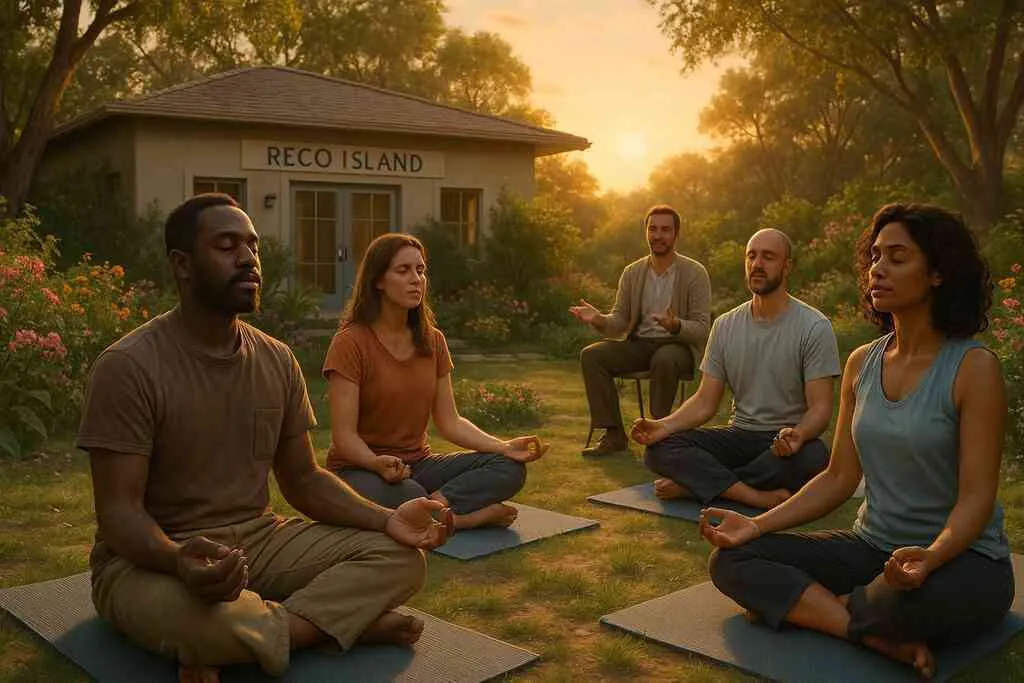
Mindfulness is a powerful practice that grounds individuals in the present moment, enhancing their recovery experience. At RECO Island, mindfulness practices are integrated into daily routines, helping residents develop a sense of peace and focus. Techniques such as meditation, yoga, and mindful breathing are taught to foster a deeper awareness of one’s thoughts, emotions, and surroundings. This heightened awareness encourages individuals to live intentionally, reducing anxiety and promoting clarity in thought and action. By adopting mindfulness, residents strengthen their recovery journey with calmness and centeredness. For a broader look at these approaches, see the top mind-body recovery skills RECO Island teaches.
Building a Supportive Environment: The RECO Island Experience
Community Support: The Heartbeat of Recovery
Community support is at the heart of the recovery process at RECO Island. A supportive environment is carefully cultivated to ensure every individual feels valued and understood. Through group activities, peer support meetings, and family sessions, residents build a network of allies who share similar experiences and goals. This sense of community fosters a nurturing atmosphere where individuals not only receive support but also offer it, reinforcing their commitment to both personal growth and the collective recovery journey. Learn more about the role of community in recovery and the difference it makes.
Relapse Prevention: Strategies for Sustained Sobriety
Relapse prevention is a critical component of sustained sobriety at RECO Island. Individuals are equipped with strategies that help them recognize early warning signs and develop personalized action plans to counter potential relapse triggers. Through therapy sessions, workshops, and educational programs, they learn to fortify their defenses against old habits. By understanding the dynamics of relapse and employing effective prevention techniques, RECO Island residents are empowered to maintain long-term sobriety and continue thriving in their recovery journey.
Financial Literacy: Managing Life’s New Challenges
Financial literacy is an often-overlooked yet crucial life skill in recovery. At RECO Island, residents learn to manage their finances effectively as they face new challenges post-treatment. Workshops and sessions cover budgeting, saving, and understanding financial responsibilities. By becoming financially literate, individuals gain confidence in managing their monetary resources, reducing stress and freeing them to focus on other aspects of their recovery. Financial stability becomes a vital factor in maintaining independence and supporting their newfound lifestyle.
Time Management: Balancing Life Post-Treatment
Effective time management is pivotal in balancing life after treatment, and RECO Island places significant emphasis on this skill. Individuals learn to prioritize tasks, set realistic goals, and structure their daily routines to optimize productivity and well-being. By gaining mastery over their time, residents can focus on self-improvement and maintain a healthy work-life balance. This skill not only enhances personal fulfillment but also strengthens commitment to recovery, as structured time management contributes to sustained progress on the post-treatment journey. Explore which life skills are prioritized at RECO Island for a deeper look at how these competencies are developed.
Self-Care Routines: Prioritizing Well-being in Sobriety
Implementing self-care routines in sobriety is essential for prioritizing well-being and maintaining balance. At RECO Island, self-care is encouraged as a daily practice that promotes mental, physical, and emotional health. Residents are guided to establish routines that include physical exercise, healthy eating, and leisure activities that nourish the soul. By embracing self-care, individuals learn to value and respect themselves, reinforcing their recovery journey with resilience and stability. This focus ensures a sustainable path toward a healthy and rewarding future.
Conclusion: Embracing a New Chapter
Redefining Success in Recovery
Success in recovery is more than abstinence; it is about redefining one’s life with purpose and satisfaction. At RECO Island, individuals learn to measure success through personal growth, emotional stability, and the ability to forge supportive relationships. This broader definition of success encompasses resilience, self-awareness, and the joy of living a sober life. RECO Island ensures that every resident leaves with a renewed sense of achievement and the tools needed to pursue their aspirations with confidence.
The Lifelong Journey of Personal Growth
Recovery is a lifelong journey that extends well beyond treatment, requiring continual personal growth and self-discovery. At RECO Island, the focus is on equipping individuals with the knowledge and skills necessary for this enduring journey. Recognizing that personal growth continues throughout life encourages a proactive approach to overcoming future challenges. By fostering a mindset of lifelong learning and improvement, RECO Island lays the groundwork for lasting transformation and continued personal development. Discover how this vision unfolds in the journey beyond addiction with RECO Island.
RECO Island: Your Partner in Transformation
RECO Island stands as a committed partner in each individual’s transformative journey. With a deep understanding of drug rehabilitation and the complexities involved, RECO Island provides unwavering support and advanced recovery tools to guide individuals as they embrace new beginnings. The emphasis on life skills development and a supportive environment ensures that every individual is prepared for life after treatment with confidence and clarity. As a trusted partner, RECO Island champions every person’s journey toward a brighter, healthier future, reinforcing the belief in the potential that lies within each of us.
Frequently Asked Questions
Question: How does RECO Island’s holistic approach support personal growth after rehab?
Answer: RECO Island employs a holistic recovery approach that empowers individuals to heal on multiple levels, addressing not only the physical aspects of addiction but also the emotional, mental, and spiritual facets. This method supports personal growth by focusing on life skills development, which is essential for a successful transition post-rehab. Through programs like individual counseling, group sessions, and workshops, participants learn vital skills such as emotional intelligence, effective communication, and stress management techniques. This comprehensive strategy ensures that individuals develop the resilience needed to overcome addiction challenges, paving the way for sustained personal growth after rehab.
Question: What role do emotional intelligence and communication skills play in the recovery journey at RECO Island?
Answer: Emotional intelligence is a cornerstone of the recovery journey at RECO Island. By fostering self-awareness and understanding one’s emotions, individuals enhance their ability to maintain sobriety and build healthy relationships. RECO Island emphasizes teaching these skills to help participants recognize emotional triggers and develop coping strategies for sobriety. Effective communication further supports recovery by enabling individuals to express their thoughts clearly and listen actively. These skills are crucial for building healthy relationships and creating a supportive recovery environment. Through various activities and workshops, individuals gain the tools needed to craft a future aligned with their values and goals.
Question: In the context of What Are Life Skills RECO Island Embeds Post Treatment, how does RECO Island prepare individuals for life after addiction?
Answer: RECO Island places significant emphasis on preparing individuals for life after addiction by focusing on key life skills development as part of its holistic recovery approach. This preparation includes teaching financial literacy to manage new challenges and effective time management to balance life post-treatment. By equipping clients with these skills, along with decision-making post-addiction and goal setting in recovery, individuals leave RECO Island empowered to lead fulfilling lives in sobriety. The life skills developed during their stay ensure that they are not only surviving but thriving as they rebuild their lives after addiction.
Question: How does community support contribute to sustained sobriety at RECO Island?
Answer: Community support is integral to sustained sobriety at RECO Island, serving as the heartbeat of the recovery process. RECO Island carefully cultivates a supportive recovery environment where individuals feel valued and understood. This community aspect is reinforced through group activities, peer support meetings, and family sessions, allowing residents to build a network of allies with shared experiences and goals. This sense of community nurtures a supportive atmosphere, encouraging individuals to offer and receive support, significantly enhancing their personal growth and resilience-building. The collective recovery journey strengthens their commitment to sobriety and fosters a lifelong journey of healing and transformation.
Question: What strategies does RECO Island offer for relapse prevention and maintaining mental health in recovery?
Answer: RECO Island provides comprehensive strategies for relapse prevention, emphasizing the importance of maintaining mental health in recovery. Residents are equipped with techniques to recognize early warning signs and create personalized action plans to counter potential triggers. Through therapy sessions, workshops, and educational programs, they learn to understand the dynamics of relapse and employ effective prevention strategies. Additionally, mental health is prioritized through stress management techniques, community support, self-care routines in sobriety, and mindfulness practices in rehab. This multifaceted approach empowers individuals to sustain sobriety and thrive in their recovery journey, offering them the tools and resources for continued success post-treatment.