
How Do Suboxone Maintenance Plans Support Stability
Suboxone maintenance plans support stability by lowering cravings, easing withdrawal, and giving people time to build real recovery skills without constant opioid pressure. For many people, that steadying effect is what makes long-term recovery possible, especially when opioid use disorder is intertwined with anxiety, trauma, or depression. If you are reading this while feeling worn […]
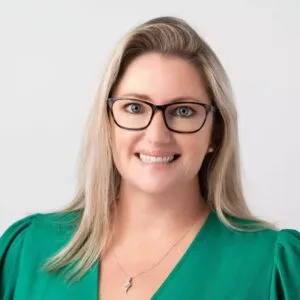
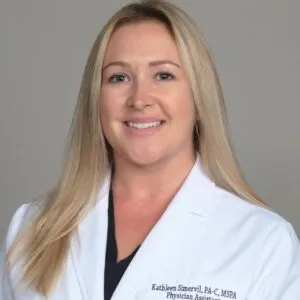
Suboxone maintenance plans support stability by lowering cravings, easing withdrawal, and giving people time to build real recovery skills without constant opioid pressure. For many people, that steadying effect is what makes long-term recovery possible, especially when opioid use disorder is intertwined with anxiety, trauma, or depression.
If you are reading this while feeling worn down by relapse fears, that feeling makes sense. This part is genuinely confusing for most people, and I hear it often from families who want a safer path but do not know what maintenance actually means.
Key Takeaways
- Suboxone maintenance plans support stability by reducing cravings and withdrawal symptoms so daily life feels more manageable.
- Medication-assisted treatment works best when it includes counseling, clinical monitoring, and relapse-prevention planning, not medication alone.
- Buprenorphine and naloxone are used together to support opioid recovery while lowering misuse risk.
- Dual diagnosis treatment matters when opioid use and mental health symptoms happen at the same time.
- Outpatient care, PHP, and IOP can keep recovery structured between appointments and help protect progress in Delray Beach and South Florida.
When Suboxone feels less like a rule and more like a lifeline
Suboxone maintenance plans support stability by making recovery more manageable day to day. The goal is not simply to stop opioid use for a few days; it is to reduce the chaos that drives use in the first place. When cravings, withdrawal, and fear of relapse ease up, people can sleep, work, parent, and think more clearly.
Why stability is the real goal in opioid recovery, not just stopping use
In my experience, many people arrive thinking success means white-knuckling through withdrawal. That idea sounds strong, but it often fails because it ignores the body’s dependence and the mind’s stress response. Stability means fewer crises, more predictable mornings, and enough mental space to use coping skills.
One client I worked with in Delray Beach kept relapsing every time he tried to just stop. Once his care shifted to a maintenance plan with structured follow-up, he could finally focus on practical things: meals, meetings, sleep, and rebuilding trust with his family. That is the part most people miss. Recovery often begins when life gets steady enough to practice it.
How medication-assisted treatment can reduce cravings, withdrawal distress, and relapse pressure
Medication-assisted treatment helps by reducing the physical pull toward opioids. That matters because craving is not a character flaw; it is a real brain and body response. The Suboxone education guide on our site explains how this broader model supports recovery, and SAMHSA’s guidance on opioid care emphasizes combining medication with counseling and ongoing support.
Suboxone maintenance can help in three important ways:
- Craving reduction: less obsessive thinking about opioid use
- Withdrawal symptom management: fewer body symptoms that push people back to use
- Relapse pressure relief: more room to think before acting
That matters in fentanyl recovery support, heroin recovery planning, and prescription pill addiction treatment, where cravings can hit hard and fast. It also helps people who are trying to rebuild after cocaine detox Florida or benzodiazepine withdrawal support, because the stress load is often already high.
The moving parts behind a Suboxone plan that actually holds
A Suboxone plan works best when it is individualized, closely monitored, and tied to therapy. Medication alone rarely holds if a person is also fighting trauma, depression, or unstable housing. The strongest plans combine recovery medication management with counseling, accountability, and clear goals.
How buprenorphine and naloxone fit into individualized recovery medication management
Suboxone combines buprenorphine and naloxone. Buprenorphine is a partial opioid agonist, which means it activates opioid receptors in a controlled way and can reduce cravings without producing the same high as full opioids. Naloxone is included to lower the risk of misuse. That is why maintenance therapy for opioid addiction is often used as part of evidence-based treatment. Here is a simple comparison: ComponentMain roleWhy it matters for stabilityBuprenorphineReduces cravings and withdrawalHelps the body settle so recovery can startNaloxoneDiscourages misuseSupports safer use of the medicationClinical follow-upMonitors response and side effectsKeeps treatment individualizedI usually tell people that medication is not the whole plan, but it may be the thing that makes the rest of the plan possible. The right dose, the right schedule, and ongoing clinical supervision can make a huge difference in early recovery. 
Why counseling, CBT, and dual diagnosis treatment matter when opioids and mental health overlap
Counseling and medication support work together. That is especially true when opioid use disorder treatment overlaps with anxiety treatment, PTSD treatment, bipolar disorder therapy, or depression and addiction. NIDA has long emphasized the co-occurring disorders model: when mental health symptoms go untreated, relapse risk rises.
We often see people who are not only managing opioid cravings, but also trauma triggers, panic, shame, and sleep problems. That is where cognitive behavioral therapy, dialectical behavior therapy, and EMDR trauma therapy can help. CBT builds practical thinking and behavior skills. DBT helps with emotion regulation and distress tolerance. EMDR can be useful for trauma-focused work when a clinician determines it is appropriate.
A good dual diagnosis plan may also include:
- Screening for depression, anxiety, PTSD, or bipolar symptoms
- Individual therapy with a licensed clinician
- Group therapy activities for accountability and connection
- Family therapy support when relationships have been strained
- Medication review when symptoms affect sleep, mood, or cravings
If you want a deeper look at this model, our dual diagnosis treatment overview explains how mental health and addiction care can be built together instead of handled in separate silos.
What steady recovery looks like between appointments in Delray Beach
Steady recovery between appointments usually means structure, check-ins, and a daily routine that does not depend on willpower alone. In Delray Beach, that may include an outpatient program, PHP, intensive outpatient, sober living support, and case management. The point is simple: keep recovery active when you are not sitting in a session.
How outpatient program Delray Beach, PHP, and intensive outpatient support daily structure
The difference between levels of care matters. A partial hospitalization program usually offers more hours and more clinical contact than an intensive outpatient program, while outpatient care gives more flexibility for work, family, or school. That structure is often what helps people stay grounded while medication support continues.
Level of careTypical structureBest fitPHPMore hours, more support, often several days a weekEarly stabilization or higher support needsIOPFewer hours than PHP, still structured therapyPeople who need support and flexibilityOutpatientLower time commitment, ongoing follow-upMaintenance, step-down care, or aftercare planningThis is where a place like Delray Beach can matter. The coastal setting, the rhythm of Atlantic Avenue, and the larger South Florida recovery community can give people a sense of routine and connection. I have seen clients do better when treatment includes practical supports like medication management, therapy scheduling, and relapse trigger management instead of asking them to improvise every day.
The medication management page outlines how careful follow-up can support recovery medication management, and our opioid detox treatment page explains how that process connects to early stabilization when detox is needed before maintenance begins.
For some people, stability also depends on family therapy, sober living resources, and clear aftercare planning. That is especially true after a residential treatment facility stay or when someone is stepping down from an inpatient rehab Palm Beach County setting into an outpatient program Delray Beach. A strong aftercare plan may include recovery accountability, coping skills, recovery coaching, and connection to 12-step alternatives or SMART Recovery.
If you are comparing care options in South Florida, I would look for licensed clinicians, integrated behavioral health, and a real continuity of care plan. If cost is part of the decision, our insurance verification page can help you sort through private rehab coverage, out-of-network benefits, Aetna, Cigna, Blue Cross Blue Shield, and self-pay options without guesswork.
For families trying to understand what this looks like in daily life, one client’s parent once told me the biggest relief was not dramatic. It was hearing that someone would review meds, therapy, and next steps every week instead of leaving the family to hold everything together alone. That kind of structure is often what rebuilds trust.
“My experience at Reco Island Detox Center was outstanding. The clinical program was comprehensive and tailored to individual needs, ensuring a holistic approach to recovery. Every aspect of the treatment was carefully designed to support healing and growth. What truly stood out, however, was the compassionate staff. They were not only professional and knowledgeable but also genuinely caring and supportive, making the entire journey feel safe and comfortable. Reco Island Detox Center truly provides a nurturing and effective environment for recovery. ❤️”– Jessica H., a 5 star review from RECO Island on Google Business Reviews
If someone needs medically supervised detox with compassionate, personalized support, RECO Island is a strong option in Delray Beach for getting safe care and a clear path into recovery. You can call +1 561-464-4077 to ask about treatment fit, next steps, and how our team can support opioid recovery support and long-term recovery planning.
Frequently Asked Questions
How long does detox last at a Delray Beach rehab?
Detox length depends on the substance, the dose, the person’s health, and whether other drugs are involved. Opioid detox is often a few days, but some symptoms and sleep issues can last longer. If you are worried about fentanyl, heroin, alcohol, or benzodiazepine withdrawal, a clinical assessment helps determine the safest level of care.
What is the difference between PHP and IOP?
PHP usually provides more clinical hours and more support each week. IOP offers strong structure with more flexibility for work, family, or school. Both can support recovery after detox, but PHP is often a better fit when symptoms are still intense or stability is fragile.
Can Suboxone help with fentanyl recovery support?
It can help some people, but treatment must be individualized. Because fentanyl can create severe cravings and complicated withdrawal, medical supervision and careful dosing matter. A clinician should decide whether Suboxone, another medication, or a different plan best fits your situation.
Does treatment include family therapy support?
Many programs include family therapy because addiction affects the whole household. Family sessions can improve communication, set healthy boundaries, and support aftercare planning. They can also help loved ones understand relapse prevention and recovery stabilization.
What if I need help for depression and addiction at the same time?
That is common, and it is exactly where dual diagnosis treatment helps. Good care addresses mood symptoms and substance use together, rather than treating them as separate problems. Therapy, medication review, and ongoing monitoring can all be part of the plan.
How do I know if a private rehab is the right fit?
Look for licensed clinicians, evidence-based treatment, clear aftercare planning, and transparent insurance verification. Ask how they handle medication-assisted treatment, mental health care, and step-down support after discharge. If you want a place near the beach and the Delray recovery community, ask how they build structure into each day.