
RECO Island and Aftercare Planning for Lasting Recovery
Aftercare planning for lasting recovery is the part of treatment that helps progress hold once real life returns. The biggest risk after rehab is not discharge day itself; it is the gap between structure and ordinary stress, where support, routines, and relapse prevention either hold or fall apart. Key Takeaways Aftercare planning for lasting recovery […]

Aftercare planning for lasting recovery is the part of treatment that helps progress hold once real life returns. The biggest risk after rehab is not discharge day itself; it is the gap between structure and ordinary stress, where support, routines, and relapse prevention either hold or fall apart.
Key Takeaways
- Aftercare planning for lasting recovery should start before discharge and include housing, therapy, medication support, and follow-up care.
- Relapse prevention is stronger when your plan includes daily structure, coping skills, and a clear response to cravings or setbacks.
- Dual diagnosis treatment planning matters when addiction and depression, anxiety, PTSD, or bipolar disorder occur together.
- PHP vs IOP depends on how much support you still need; PHP is more intensive, while IOP offers more flexibility for work, school, or family duties.
- A strong plan often combines evidence-based treatment, family therapy, peer support, and, when appropriate, medication-assisted treatment.
When aftercare falls apart after rehab and why that is usually the real risk
Aftercare usually falls apart when people leave treatment with good intentions but no structure. The first few days back home can feel quiet, then quickly become stressful, and that is where old habits rush in. In Delray Beach, that can mean going from a protected setting to traffic on Atlantic Avenue, family pressure, work demands, and easy access to old triggers.
The hidden gap between discharge day and real life in Delray Beach
The hidden gap is the space between “I finished treatment” and “I know what to do on a hard day.” I see this most often when someone has a ride home, a phone full of contacts, and still no real recovery maintenance plan. If you are feeling anxious about that, it makes sense. This part is genuinely confusing for most people.
A strong discharge plan should include where you will sleep, who you will call, what meetings or therapy visits are next, and how you will handle cravings after hours. In South Florida, that may also include sober living resources, outpatient follow-up, and a plan for weekends, when structure often weakens. One client once told me the hardest part was not detox; it was the empty Tuesday night after discharge. That is exactly why the plan has to be practical.
“My experience at Reco Island Detox Center was outstanding. The clinical program was comprehensive and tailored to individual needs, ensuring a holistic approach to recovery. Every aspect of the treatment was carefully designed to support healing and growth. What truly stood out, however, was the compassionate staff. They were not only professional and knowledgeable but also genuinely caring and supportive, making the entire journey feel safe and comfortable. Reco Island Detox Center truly provides a nurturing and effective environment for recovery. ❤️”- Jessica H., a 5 star review from RECO Island on Google Business Reviews
Why relapse prevention starts before you leave a residential treatment facility or PHP
Relapse prevention starts before discharge because the brain does better with rehearsal than with surprise. At RECO Island recovery support, we look at triggers, support gaps, and the daily rhythm of the next 30 days before someone walks out the door. That is not about pressure. It is about making the next move visible.
A useful plan usually includes:
- written coping steps for cravings
- names and numbers for support people
- transportation for therapy or meetings
- medication instructions, if prescribed
- a backup plan if you miss an appointment
- one clear response for a high-risk day
The National Institute on Drug Abuse notes that addiction is a chronic condition, so continuing care matters just as much as stabilization. That is why SAMHSA guidelines for recovery planning emphasize ongoing support, not just acute treatment. If the plan only covers discharge day, it is incomplete.
What a strong recovery plan actually needs once you leave South Florida treatment
A strong recovery plan needs more than a phone number and a handshake. It should connect housing, therapy, medication, family support, and practical life skills into one recovery maintenance plan. That is how post-treatment recovery support becomes useful in everyday life rather than just good advice on paper.
The moving parts of aftercare planning for lasting recovery from sober living resources to case management after treatment
Aftercare planning works best when several moving parts fit together. Sober living resources can provide structure. Case management after treatment helps with appointments, insurance, paperwork, and referrals. Life skills training for recovery can cover budgeting, sleep, meals, transportation, and work readiness, which sound simple but often decide whether people stay steady.
In my experience, the people who do best are rarely the ones with the most motivation alone. They are the ones with the clearest plan. A good aftercare setup may include vocational support in recovery, nutritional counseling for sobriety, support group referral planning, and alumni program support. For a deeper framework, I often point families to our guide to aftercare planning and the broader Life After Treatment resource page.
How dual diagnosis treatment planning changes the plan for depression, anxiety, PTSD, and bipolar disorder therapy
Dual diagnosis treatment planning changes everything because untreated mental health symptoms can drive substance use, and substance use can worsen mental health symptoms. The co-occurring disorders model is widely used for this reason. It treats addiction and mental health together, not as separate problems that wait their turn.
If depression and addiction, anxiety treatment, PTSD treatment, or bipolar disorder therapy are part of the picture, the aftercare plan should include a mental health provider, medication review if needed, and therapy that matches the diagnosis. NAMI and the American Psychiatric Association both stress the importance of accurate assessment and ongoing care. I have seen people improve simply because the plan finally treated sleep, panic, trauma, and cravings as connected problems instead of isolated ones.
The practical choices that shape long term recovery in Palm Beach County
The practical choices matter because recovery is lived one day at a time. The level of care you choose, the therapies you use, and the support system around you all shape whether your plan is too loose or just right. In Palm Beach County, that often means choosing between PHP, IOP, and a step-down stay that fits your life. 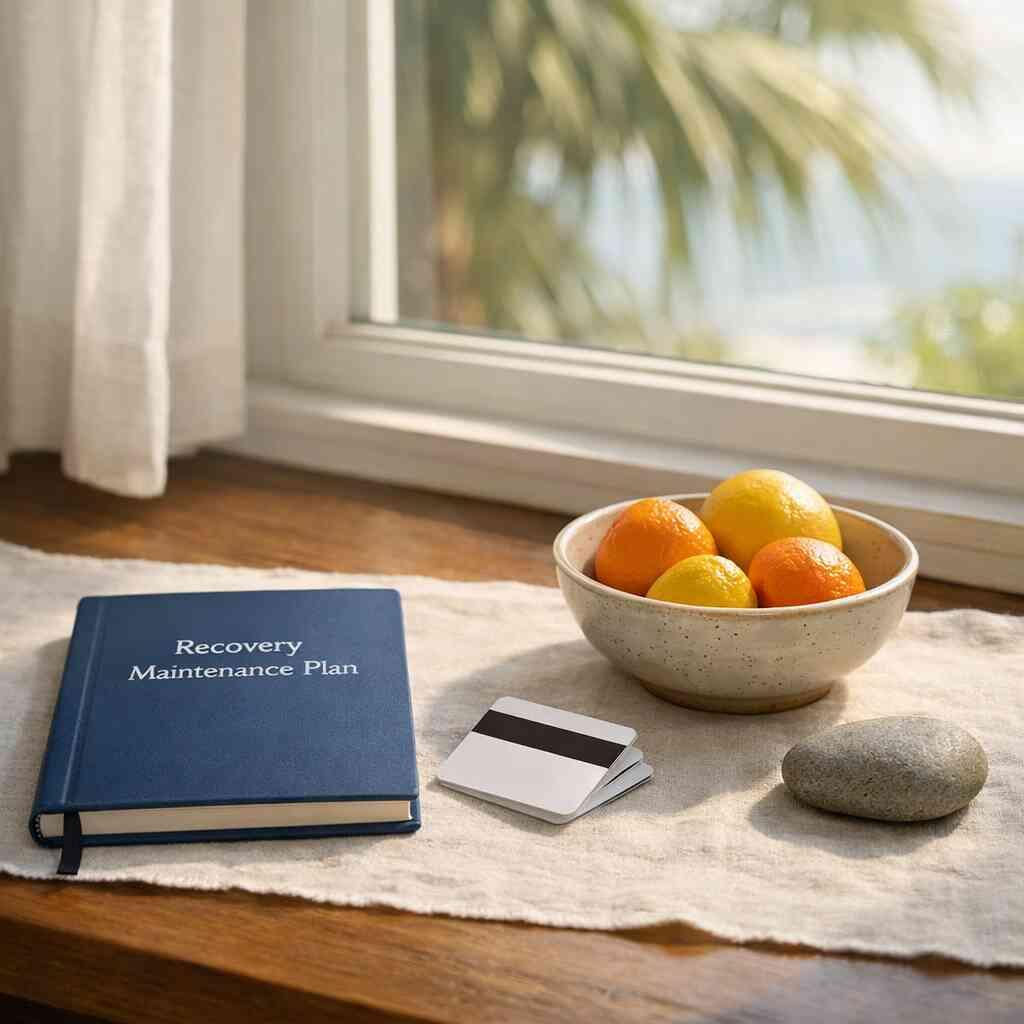
PHP versus IOP and when an outpatient program Delray Beach makes more sense than a step-down stay
PHP versus IOP comes down to intensity and stability. PHP, or partial hospitalization, usually means more hours per week and more structure. IOP, or intensive outpatient, gives more flexibility while still providing strong support. If you are still shaky, PHP may be the better bridge. If you are stable but need consistent accountability, IOP may fit better.
Level of careTypical fitTime commitmentCommon usePHPHigher need for structureMost weekdaysEarly step-down after residential careIOPMore stability, more flexibilitySeveral days per weekReturn to work, school, or family routinesOutpatientLower-intensity maintenanceWeekly or lessLong-term support and check-insA good outpatient program Delray Beach should match your actual risk, not your wishful thinking. If you are still in early recovery, a step-down stay may be safer than trying to carry everything alone. For many people, especially those with a job or children, that middle level is what makes the plan realistic.
How medication assisted treatment CBT DBT EMDR and family therapy fit into continuing care after rehab
Medication-assisted treatment can be part of a strong plan when opioid or alcohol use disorder is involved. FDA-approved options such as Suboxone maintenance and Vivitrol injections may help reduce cravings and support stability when a prescriber decides they are appropriate. CBT, or cognitive behavioral therapy, helps change thought patterns. DBT, or dialectical behavior therapy, strengthens distress tolerance and emotional regulation. EMDR can help process trauma when trained clinicians recommend it.
Family therapy matters too, because recovery does not happen in a vacuum. A home filled with confusion, mistrust, or poor boundaries can undo progress fast. Our family support resource is helpful for that reason, and so is our group therapy page if you want to understand how peer work supports long-term change. Here is the part most people miss: treatment tools work best when they are matched to real life, not just to a diagnosis.
What to do next if you want recovery that holds in the real world
The next move is to choose a plan that is detailed enough to survive stress. If you need medically supervised detox, mental health support, and a connected continuum of care, RECO Island is one strong option in Delray Beach because we build discharge planning around the real demands of daily life, not just the exit from treatment.
How RECO Island in Delray Beach builds discharge planning around insurance verification, alumni support, and life skills training
At RECO Island, I want families to know that aftercare planning starts early. We look at insurance verification, follow-up therapy, support groups, and practical barriers before discharge, because those details decide whether the plan can actually happen. If someone needs help sorting coverage, our insurance verification page can clarify Aetna, Cigna, Blue Cross Blue Shield, out-of-network benefits, and self-pay options.
We also keep the recovery line open through alumni support and ongoing connection. That fits with best practices for continuing care after rehab, especially for people who need extra accountability after detox or residential treatment. If you want to see how this connects to the broader community, RECO Intensive and RECO Psychiatry show how coordinated care can support the full picture.
The decision frame for choosing between private rehab, beachside recovery, and Florida rehabs that take insurance
The choice is not just private rehab versus insurance-based care. The real question is which setting gives you the safest, most stable path forward. A private, beachside recovery environment may feel calmer and more personal. A program that works with Florida rehabs that take insurance may be the better financial fit. Both can be appropriate if the clinical care is strong and the plan is honest.
Use this frame:
- Is the level of care matched to your risk?
- Does the program offer evidence-based treatment and licensed clinicians?
- Is there a real plan for mental health, family support, and relapse prevention?
- Will insurance or payment details create barriers later?
- Does the aftercare plan include sober living, therapy, and follow-up?
If you are comparing options in Delray Beach, near Palm Beach County and the wider South Florida recovery community, I would start with the support system first, then the setting. A calm environment helps, but a clear plan keeps you moving. If you want to talk through next steps, call RECO Island at +1 561-464-4077. You do not have to solve all of this today. Start with one conversation.
Frequently Asked Questions
How long does detox last at a Delray Beach rehab?
Detox length depends on the substance, the amount used, your health, and whether withdrawal symptoms are mild or severe. Alcohol detox and benzodiazepine withdrawal can require closer medical monitoring than some other substances. Many detox stays last several days, but some people need longer. The safest answer is a clinical assessment, because detox should be matched to your risks, not guessed from a chart.
What is PHP vs IOP?
PHP, or partial hospitalization, is more structured and usually involves more treatment hours per week. IOP, or intensive outpatient, gives you more flexibility while still providing regular therapy and support. PHP is often used as a step down from residential care. IOP often works well when someone is stable enough to sleep at home and manage more of their day.
Does RECO Island take my insurance?
Coverage depends on your plan and benefits. We encourage insurance verification before admission so you know what may be covered, including in-network or out-of-network options. If you have Aetna, Cigna, Blue Cross Blue Shield, or another carrier, our admissions team can help you check the details. If you prefer self-pay, that can be reviewed too.
Can family be involved in aftercare planning?
Yes, and family involvement often helps. Family therapy, education, and clear boundaries can reduce confusion after discharge. In many cases, families need their own support so they do not unintentionally repeat old patterns. We usually recommend a plan that explains what family members should do, what they should avoid, and how they can stay supportive without taking over.
What if I need help for depression but not addiction?
That still matters. Depression, anxiety, PTSD, and bipolar symptoms can affect sleep, work, relationships, and daily functioning even without substance use. If substance use is also present, it is important to assess both. Mental Health America screening tools and MedlinePlus mental health information can help you think through symptoms, but a licensed clinician should guide diagnosis and care.
Is RECO Island near the Delray Beach recovery community?
Yes. We are located in Delray Beach, close to the broader South Florida recovery network and the support that comes with it. That location can make it easier to connect with meetings, sober support, and outpatient follow-up after discharge. Our setting at 140 NE 4th Avenue Delray Beach FL 33483 also gives people a calm place to transition into the next phase of care.