How RECO Island Uses CBT and DBT in Mental Health IOP
If you are reading this because your thoughts feel loud, your sleep feels broken, or your hope feels thin, take a breath. That stress is real. It is also treatable. Many people looking for a mental health IOP are trying to get through work, family, and symptoms at the same time, and that can feel […]

If you are reading this because your thoughts feel loud, your sleep feels broken, or your hope feels thin, take a breath. That stress is real. It is also treatable. Many people looking for a mental health IOP are trying to get through work, family, and symptoms at the same time, and that can feel like too much.
At RECO Island in Delray Beach, the goal is not perfect effort. It is to give you structure, skills, and support that make hard days more manageable. For many people, that starts with cognitive behavioral therapy, dialectical behavior therapy, and a clear daily rhythm. If you are comparing Delray Beach rehab options or searching for a Florida addiction treatment program that also understands co-occurring disorders, that matters.
“My daughter is finally home and laughing again. God bless everyone at Reco. For anyone looking for mental health treatment in Delray, I’d recommend you call them immediately.”– Maddie R., a 5 star review from our business on Google Business Reviews
Why two therapy models can support a mental health crisis faster than willpower alone
What a mental health IOP is really doing between crisis and stability
A mental health intensive outpatient program in Delray Beach is built for the middle ground. You may not need a residential treatment facility, but you may need more than weekly therapy. That in-between space is where many people wobble. An IOP can provide repeated contact, practical skills, and accountability without fully stepping away from life.
In plain terms, IOP helps you practice stability while living your life. That may include group sessions, individual work, case coordination, and skills practice. For someone facing depression and addiction, anxiety treatment, or bipolar disorder therapy, that structure can reduce chaos quickly. On the coast, where routine can shift with work, traffic, and family demands, structure often matters more than people expect.
Why CBT and DBT are often paired when anxiety, depression, and co-occurring disorders overlap
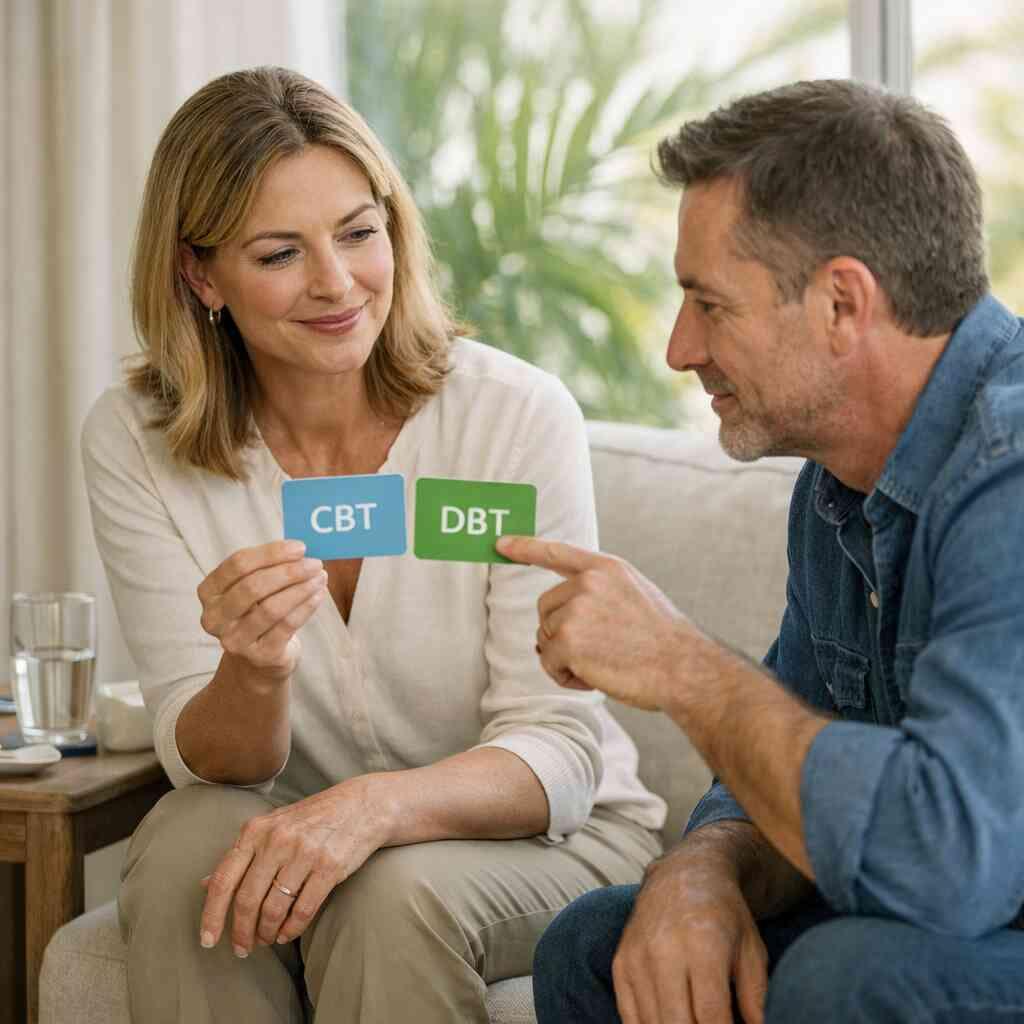
CBT and DBT are often paired because they do different jobs. Cognitive behavioral therapy for anxiety and depression helps you spot the thought patterns that drive distress. Dialectical behavior therapy skills training for emotional regulation helps you tolerate feelings without making them worse. Together, they can support dual diagnosis treatment and co-occurring disorders when symptoms overlap.
Here is the part most people miss: insight alone rarely changes behavior. If your mind says, “I always ruin everything,” you need CBT. If your feelings spike so fast that you text, drink, isolate, or lash out, you need DBT. When both happen, pairing the models can be a practical response, not just a theoretical one.
How Delray Beach setting and routine can support learning new coping skills
Delray Beach can support recovery in a quiet way. The calm of a coastal healing environment can make reflection easier, while the pace near Atlantic Avenue keeps life from disappearing. That mix can make skills easier to practice in real settings. You are not learning in a bubble.
One client in a South Florida outpatient track described the first week as “like trying to hold water in my hands.” That is common. Once the schedule settled, the person could notice triggers before they turned into a crisis. Small routines, repeated often, can change the shape of a day. That is how coping skills begin to stick.
The CBT map for messy thoughts, feelings, and the behaviors that keep them going
How cognitive behavioral therapy spots the thought loops that fuel panic, shame, and self-sabotage
CBT starts with a simple idea: thoughts, feelings, and behaviors affect one another. If you think, “I failed already, so why try?” your mood drops. Then your behavior slows. Then the thought feels confirmed. That loop can fuel panic, shame, avoidance, and relapse.
In cognitive behavioral therapy, clinicians help you catch the loop early. They may ask what happened, what you told yourself, how your body reacted, and what you did next. That map can reveal patterns tied to PTSD treatment, anxiety treatment, and substance use triggers. It also fits evidence-based treatment because it gives you something concrete to test, not just something to feel.
CBT skills for anxiety, depression, and addiction triggers in day-to-day life
CBT is practical. It gives you tools you can use on a rough Tuesday, not just in session. You may learn to challenge all-or-nothing thoughts, check evidence, plan for high-risk moments, and replace avoidance with action. Those skills can support CBT skills for anxiety and reduce the pull of drug rehab near me crises that start with stress, not a plan.
Common CBT tools include:
- Thought records
- Behavioral activation
- Trigger planning
- Exposure to safe but avoided tasks
- Problem-solving steps
- Sleep and routine tracking
These tools can support people dealing with cocaine detox Florida, opioid rehab Delray, fentanyl treatment, heroin recovery, prescription pill addiction, or benzodiazepine withdrawal when emotional triggers are part of the picture. They do not erase pain. They help you respond instead of react.
How RECO Island may use goal setting, homework, and case management to turn insight into action
CBT gets stronger when you use it outside the room. That is why homework matters. A therapist may ask you to notice one thought pattern, practice one coping skill, or track one trigger. That is not busywork. It is repetition.
RECO Island also emphasizes structure that may include objective goal planning and case management support. That matters because insight without follow-through fades quickly. If you are juggling appointments, insurance calls, family stress, or job demands, case management can help the plan stay real. On the projects and treatment plans people bring into care, the mistake we see most often is trying to change too many things at once.
Why DBT helps when emotions feel too big, too fast, or too hard to trust
How dialectical behavior therapy teaches emotional regulation, distress tolerance, and mindfulness meditation
DBT was built for intense emotion. It teaches emotional regulation skills, distress tolerance, and mindfulness meditation so feelings do not run the whole show. That can matter for people who feel flooded, numb, impulsive, or stuck in repeated conflict. It also fits people who say, “I know what to do. I just cannot do it when I am overwhelmed.”
DBT uses a both-and mindset. You can be doing the best you can, and you can still need better skills. That balance reduces shame, which often worsens symptoms. For many people in mental health IOP, that compassionate firmness is exactly what keeps treatment moving.
What DBT skills training looks like in group therapy activities and individual therapy
DBT is often taught in groups because practice matters. In group therapy activities, people may learn how to pause, name a feeling, ask for what they need, or survive a surge without making things worse. Individual sessions can then tailor the skills to your actual life. That combination is useful when a person needs repetition, not just advice.
A typical DBT-informed day may include:
- A check-in on mood and safety
- Review of skill practice from the prior session
- Teaching a focused skill
- Guided rehearsal or role-play
- Planning how to use the skill in real life
This is why DBT often works well in intensive outpatient settings. The repetition helps the skills become automatic. If you need more support after a higher level of care, this structure can carry over well from PHP vs IOP decisions and into ongoing treatment.
When DBT makes sense for trauma therapy South Florida care and bipolar disorder therapy support
DBT can be helpful when trauma responses make emotions feel unpredictable. That is why it often pairs well with trauma therapy South Florida care, including EMDR trauma therapy when appropriate. It can also support people with bipolar disorder therapy, especially when mood swings, impulsive decisions, and shame create a cycle. The goal is not to flatten feelings. The goal is to keep feelings from driving unsafe choices.
Research has long supported DBT for self-harm, emotion dysregulation, and some trauma-related symptoms. SAMHSA guidance also supports matching treatment to symptom patterns and level of care. If you are searching for the difference between CBT and DBT for co-occurring care, the simplest answer is this: CBT helps you think more clearly, and DBT helps you stay steady when clarity is hard.
Inside a Delray Beach outpatient rhythm that makes change repeatable
What a structured intensive outpatient program can look like after PHP or residential treatment
An intensive outpatient program in Delray Beach can serve as a step down after partial hospitalization program care or residential treatment. It usually offers more structure than weekly therapy and less restriction than inpatient care. That makes it useful for people rebuilding work, school, or family routines.
If you are comparing what PHP vs IOP means for South Florida recovery, think of PHP as more intensive and time-heavy. IOP usually gives you more flexibility. Both can support South Florida recovery when the level of care matches your needs. RECO Island’s outpatient rhythm may feel steady rather than flashy, and steady is often what people need most.
How group therapy, family therapy, and aftercare planning reinforce relapse prevention and coping skills
Recovery rarely holds through individual effort alone. That is why group therapy activities for relapse prevention matter. They let you hear other people name the same fear, the same excuse, the same setback. That normalizes the hard parts without excusing them. Family work can matter too. Family therapy and aftercare support can help repair communication and reduce mixed messages at home. That is especially important for young adult rehab, women’s rehab, men’s recovery, LGBTQ+ affirmative treatment, and veterans addiction help, where support needs can differ. Aftercare planning may also include sober living resources, 12-step alternatives, or SMART Recovery, depending on fit and preference. ### Where medication management, medication-assisted treatment, and holistic recovery can fit alongside therapy 
Therapy is powerful, but sometimes it works best with medical support. Medication management can help with mood, sleep, anxiety, or cravings when a licensed prescriber says it is appropriate. For opioid use disorder, FDA-approved options like Suboxone maintenance or Vivitrol injections may be part of care. These are not shortcuts. They are tools.
For some people, medication-assisted treatment supports safety while therapy builds coping skills. That can be especially relevant in opioid use disorder recovery support, fentanyl treatment, or heroin recovery. Holistic care can also fit beside medication. Yoga therapy, art therapy, mindfulness meditation, and nutritional counseling may support the body while therapy supports the mind.
What to do next when you want care that fits real life, not a perfect plan
How to compare Delray Beach rehab options using insurance verification, levels of care, and clinical fit
Comparing programs can feel exhausting, especially when your mind is already overloaded. Start with the basics. Ask about level of care, clinical focus, and whether the program fits your symptoms. Then ask about insurance verification for private rehab in South Florida. That step can save time and reduce surprises.
If you are looking at Florida rehabs that take insurance, make sure you understand Aetna, Cigna, Blue Cross Blue Shield, and out-of-network benefits. Also ask about self-pay options if needed. A good program should explain the intake process clearly. If they cannot, keep looking.
Comparison pointWhat to askWhy it mattersLevel of carePHP, IOP, or outpatient?Matching intensity reduces drop-offClinical fitCBT, DBT, trauma work, dual diagnosis?Your symptoms should guide careInsuranceIn-network or out-of-network benefits?Cost clarity prevents delaysSupport servicesCase management, family work, aftercare?Recovery holds better with support### Which questions matter most when looking at dual diagnosis treatment, private rehab, or South Florida recovery support
If you are comparing private rehab options, ask direct questions. Do not apologize for asking them. You deserve clear answers. Ask whether the program treats dual diagnosis, uses licensed clinicians, and supports conditions like PTSD treatment, anxiety treatment, depression and addiction, and bipolar disorder therapy. If you need help with alcohol, ask about an alcoholism treatment center approach. If drugs are the issue, ask about South Florida detox referral pathways.
Useful questions include:
- What therapies do you actually use?
- How do you treat co-occurring disorders?
- What happens after IOP?
- Do you offer family support?
- What recovery resources help after discharge?
- How do you handle setbacks?
If you are reading RECO Intensive reviews, use them as one data point, not the only one. Look for clarity, consistency, and fit. That is a better guide than hype.
How to reach out for an intake process that leads to safer next steps and long-term recovery
The right intake process should feel calm, not rushed. It should help you explain symptoms, history, medications, and safety concerns. It should also check whether you need detox before therapy starts. If alcohol or benzodiazepine use is involved, you may need medical input first, since how long detox lasts depends on the substance, dose, health, and risk. For some people, South Florida detox , cocaine detox Florida, or withdrawal support must come before outpatient work.
If you want a place to start, reach out to RECO Island at its Delray Beach location on 140 NE 4th Avenue, Delray Beach, FL 33483, and ask what level of care fits your current situation. If the situation feels unstable, say so plainly. If you are worried about judgment, say that too. You do not have to solve everything today. Start with one call, one insurance check, and one honest conversation about what feels hardest right now.
Frequently Asked Questions
How long does detox last at a Delray Beach rehab?
Detox length depends on the substance, amount used, health history, and withdrawal risk. Alcohol and benzodiazepines can require close medical supervision. Opioid withdrawal often peaks and fades differently. A qualified team should assess whether you need medical detox before outpatient therapy starts. If you are unsure, ask for a clinical screening before making assumptions.
Does RECO Island take my insurance?
Coverage depends on your plan and benefits. RECO Island can help with insurance verification for private rehab in South Florida, including questions about in-network and out-of-network coverage. Call with your insurance card ready. Ask about deductibles, copays, authorizations, and any limits tied to mental health or substance use treatment.
What’s the difference between PHP and IOP?
PHP, or partial hospitalization, usually offers more hours and more structure. IOP, or intensive outpatient, gives you more flexibility while still providing strong support. PHP often suits people who need more stabilization. IOP often fits people stepping down from higher care or needing support while working or caring for family.
Can I bring my phone to treatment?
Policies vary by program and level of care. Some programs allow limited phone use. Others set specific times to reduce distraction and support focus. Ask about phone rules during intake so there are no surprises. Clear expectations can make treatment feel safer and more manageable.
Is family involved in the program?
Family involvement often depends on your consent, your needs, and your treatment plan. Many programs offer family education, therapy, or support sessions because recovery affects the whole home. Family therapy and aftercare support can help improve communication and reduce conflict. If family contact is complicated, staff should discuss healthy boundaries with you.
What if I need help for depression but not addiction?
You can still seek help. A mental health IOP may be a good fit if depression, anxiety, trauma, or mood instability is disrupting daily life. If substance use is also present, dual diagnosis care may be better. A good intake will sort that out with you. The right level of care depends on symptoms, safety, and what support you need now.
What should I ask before choosing a rehab in South Florida?
Ask about therapies, staff licensing, dual diagnosis care, family support, aftercare, and insurance. Also ask how the program handles relapse, medication, and trauma symptoms. If you are considering Delray Beach rehab and outpatient treatment options, look for honesty over marketing. A clear answer is usually a good sign.
If you want a steadier plan today, gather your insurance card, write down your top three symptoms, and make one intake call before the day ends.