Top 5 Sober Living Resources Near Delray Beach Florida
If you are trying to find sober living near Delray Beach, Florida, the best options are the ones that add structure, accountability, and a real path forward after detox or treatment. The right recovery residence should feel safe and steady, not punishing, especially if you are already tired, worried about money, or unsure what happens […]
If you are trying to find sober living near Delray Beach, Florida, the best options are the ones that add structure, accountability, and a real path forward after detox or treatment. The right recovery residence should feel safe and steady, not punishing, especially if you are already tired, worried about money, or unsure what happens next.
*”I came to RECO with two days clean and sober and now I’ll be clean and sober 5 years next month. That speaks for itself in my opinion
More importantly, I feel phenomenal. And I’m having the time of my life ! At RECO I learned how to stay clean and sober. They taught me that. They gave me tools, bit I have to do my part to be sure.
I go to RECO many a Thursday night for a group therapy session, Alumni is invited to that as well. I find it extremely beneficial to my recovery program. It’s great to see current clients and staff members. Making connections with people is a key component of a strong and solid program. Very easy to do. Everybody is very supportive of each other.
Regardless of whatever aspect of RECO that a client might be involved in, rest assured that it will have excellent competence and professionalism.
The main RECO facility is state of the art, but it’s what happens inside, in the trenches, that is truly miraculous.
RECO gets good results, I’ve seen it first-hand, in myself.”*- Kekes K., a 5 star review from RECO Island on Google Business Reviews
Key Takeaways
- Sober living near Delray Beach works best as a bridge after detox, residential treatment, PHP, or IOP, not as a stand-alone fix.
- Strong recovery homes use structure wisely: curfews, drug testing, meeting expectations, and peer accountability should support relapse prevention, not create chaos.
- The best transitional homes help with daily life through case management, life skills training, and aftercare planning.
- Location matters in early recovery because Atlantic Avenue, the beach, and the local recovery scene can help or trigger, depending on your routine.
- Compare housing with outpatient care, alumni support, and insurance details before you commit.
1) Sober living house versus recovery residence and the choice that changes everything
A sober living house is usually a peer-run home with house rules, while a recovery residence often implies a more organized setting with clearer standards and support. Near Delray Beach, both can help after detox or residential treatment, but the right fit depends on how much structure you need and how stable your early recovery already feels.
What sober living near Delray Beach Florida usually means in practice and where it fits after detox or residential treatment
In practice, sober housing near Delray Beach should give you a clean bed, sober peers, routine, and a place to rebuild habits. It should not feel like a treatment unit, but it also should not feel loose or chaotic. I usually tell families to think of it as the middle ground between 24/7 care and living entirely on your own.
That middle ground matters after South Florida detox, inpatient rehab in Palm Beach County, or a residential treatment facility. If your body is still stabilizing after alcohol detox, opioid rehab support, cocaine detox in Florida care, or benzodiazepine withdrawal, you may need a safer landing zone before you return to full independence.
Here is the part most people miss: if a home has no structure, it can become a social house with a sober label. If you are looking for our medical detox process or a clearer transition into care, that connection between levels of treatment matters.
How to tell whether a place supports structure, curfews, peer accountability, and relapse prevention without feeling like another treatment program
A good recovery residence should have rules that are clear, fair, and consistently enforced. You want a place that supports relapse prevention without turning every day into a punishment. Strong homes usually offer some combination of curfews, check-ins, meeting requirements, and random drug testing.
Look for these signs:
- Clear house rules in writing
- Quiet hours and curfews
- Drug and alcohol testing
- Expectations for meetings or recovery support
- Consequences that are firm but not humiliating
- A process for conflict resolution
If the house sounds vague about rules, that is a warning sign. If it sounds rigid but offers no warmth, that can be a problem too. Recovery asks a lot from people, and structure works best when it helps you calm down, sleep well, and stay focused.
2) The quiet power of a structured transitional home after PHP or IOP
After a partial hospitalization program or intensive outpatient program, many people still need support with sleep, meals, transportation, and emotional steadiness. A structured transitional home gives you space to practice recovery skills in real life, which is where the hard part usually starts. A bed alone is not enough if your day still feels unmanageable.
Why people leaving a partial hospitalization program or intensive outpatient program often need more than a bed and a roommate
PHP and IOP can stabilize you, but they do not remove stress from your home life, job, or relationships. That is why a move into sober housing often works best after our residential and step-down options or another level of care that has already helped you get grounded.
I have seen people do well in treatment, then struggle the first weekend back in an empty apartment. One man in early recovery told me that the silence felt louder than cravings. Once he moved into a structured home with morning check-ins and dinner routines, he slept better and stopped spiraling at night. That is not magic. It is rhythm.
What to look for in life skills training, case management, and aftercare planning before you agree to move in
Before you choose a place, ask whether it helps with practical life. The best homes do not just manage the couch and the kitchen. They connect you to real aftercare planning, case management, and skills you will use outside the house.
A strong setup may include:
- Help building a weekly schedule
- Job search or vocational support
- Budgeting and basic money planning
- Appointment reminders and transportation planning
- Coordination with outpatient treatment
- Support for medication-assisted treatment when appropriate
If you are comparing homes and treatment layers, it helps to review our outpatient program options alongside housing. The goal is continuity, not just convenience.
3) The house rules that actually protect recovery instead of just sounding strict
The best sober home rules are simple, visible, and tied to recovery outcomes. Drug testing, meeting attendance, guest rules, and phone limits should reduce risk and increase accountability. In Palm Beach County, the strongest houses also make room for mental health needs, because addiction rarely travels alone.
Which standards matter most for drug testing, meetings, phone use, guests, and overnight passes in a sober home
Not every rule matters equally. Some rules help stabilize the whole house, while others are just noise. I look for rules that protect sleep, honesty, and trust.
StandardWhat good looks likeWhy it mattersDrug testingRandom and clearly explainedReduces secrecy and supports accountabilityMeetingsRequired but realisticKeeps recovery active outside the housePhone useLimited around group time or late hoursProtects sleep and focusGuestsScreened and sober-only, if allowedLowers risk and dramaOvernight passesEarned and documentedSupports safe transitionsA house that never checks anything may be too loose. A house that controls everything may be too rigid for long-term recovery. The sweet spot is structure with dignity.
How a strong recovery residence in Palm Beach County supports co-occurring disorders, mental health IOP, and long-term stability
Many people in sober living also deal with depression and addiction, anxiety treatment needs, bipolar disorder therapy, PTSD treatment, or trauma therapy referrals in South Florida. That is why co-occurring disorders support matters. NIDA and SAMHSA both emphasize integrated care for dual diagnosis, because treating substance use without the mental health piece often leaves the real problem untouched. For general mental health screening, I often point families to the NAMI basics and the Mental Health America tools as a starting point.
A strong recovery residence should be able to work alongside a mental health IOP or outpatient therapist. Evidence-based support may include CBT, DBT, EMDR trauma therapy, group therapy, family therapy, and mindfulness meditation. Some people also benefit from medication-assisted treatment, such as Suboxone maintenance or Vivitrol injections, when a prescriber says it is appropriate. That is not weakness. It is good clinical planning.
4) Why location near Delray Beach can strengthen or strain early sobriety
Location changes behavior. Near Delray Beach, proximity to the beach, Atlantic Avenue, and a busy recovery scene can help you build healthy routines, but it can also create temptation if you are still fragile. The right setting gives you access without overload. 
How proximity to Atlantic Avenue, the beach, and the Delray Beach recovery community can shape daily routines and triggers
Delray Beach has a strong recovery identity, and that can be a gift. You can find meetings, coffee after group, sober-friendly social time, and a lot of support. But the same coastal ease that makes the area appealing can also hide risks, especially if nightlife, old contacts, or impulsive habits are part of your history. I have seen clients do better when they use location on purpose: morning walks near the water, a stable drive to meetings, and dinner back at the house before the evening gets loose. The environment matters more than people think. ### What sober things to do in Delray Beach and nearby South Florida can make sober time feel more livable and less isolated
A healthy routine does not need to be fancy. It needs to be repeatable. In Delray Beach and nearby South Florida, people often do well with simple, sober activities that keep the mind and body busy.
Try these:
- Beach walks at calm hours
- Yoga therapy or light stretching
- Art classes or journaling
- Volunteer work
- Coffee meetups after SMART Recovery or 12-step alternatives
- Group gym sessions
- Time in local nature preserves
That mix of activity and structure can make early sobriety feel less lonely. If you need a broader map of support, our team also points people toward continuing care resources that keep recovery from feeling like a cliff edge.
5) The five sober living resources worth comparing before you commit
The five resources worth comparing are sober housing, alumni support, outpatient treatment, peer recovery meetings, and insurance help. The strongest choice is usually the one that connects these pieces instead of treating them like separate silos. If you want long-term recovery, compare how each option supports relapse prevention, mental health, and daily living.
How to compare structured sober housing, alumni support, 12-step alternatives like SMART Recovery, and outpatient program Delray Beach options
Here is a simple way to compare your options:
- Structured sober housing: best for people who need routine, testing, and a sober environment.
- Alumni support: best for staying connected after higher care ends.
- 12-step alternatives like SMART Recovery: useful if you want skills-based support that is not strictly spiritual.
- Outpatient program Delray Beach: helpful if you need therapy while working or living in the community.
- Family support resources: important if the home environment still affects recovery.
RECO’s own continuum includes options that can sit alongside sober living, such as RECO Intensive and RECO Institute, plus continued support through RECO Psychiatry when mental health care is part of the plan. That kind of linked care is often what people need most.
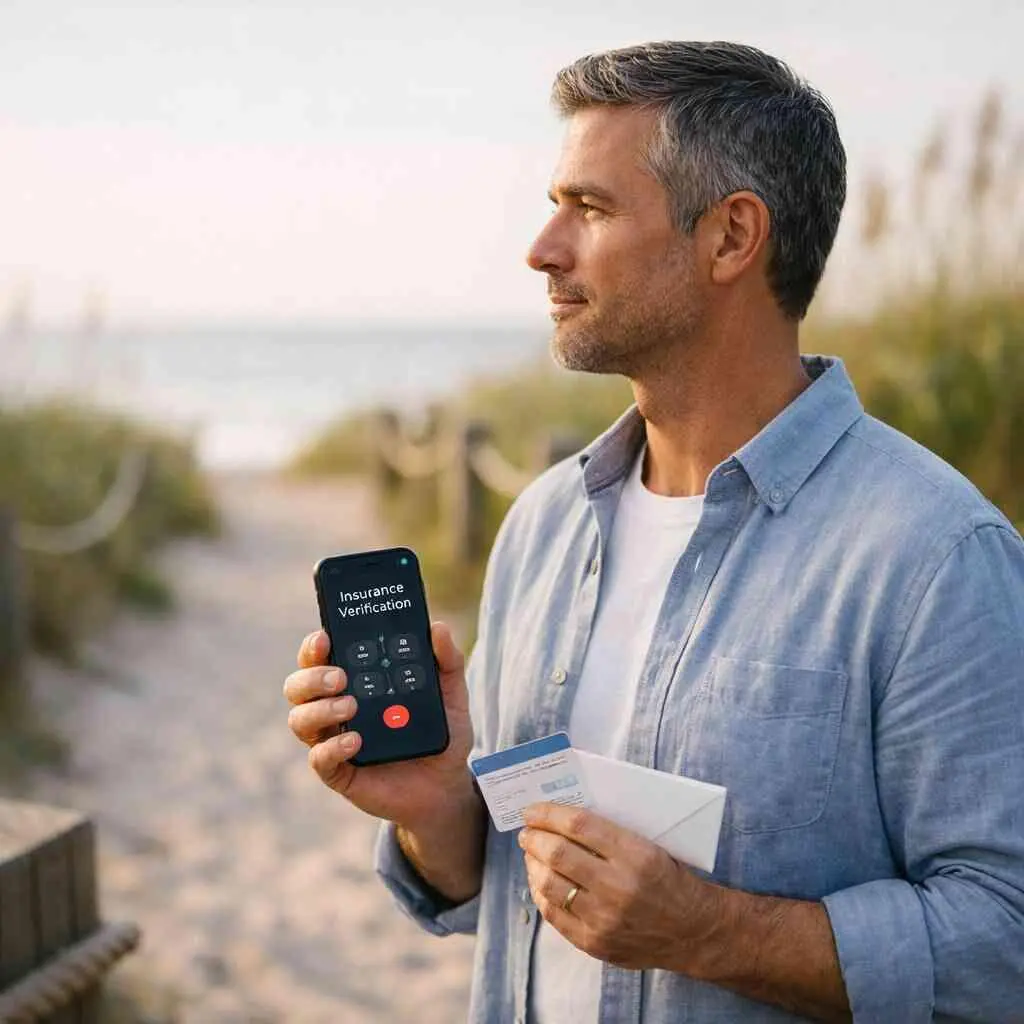
What to ask about insurance verification, self-pay, dual diagnosis treatment, and relapse prevention support before choosing a place
Before you commit, ask direct questions. Honest answers now can save you a lot of pain later.
- Do you verify insurance, including Aetna, Cigna, or Blue Cross Blue Shield?
- What self-pay options exist?
- How do you support dual diagnosis treatment?
- What happens if relapse risk increases?
- Do you coordinate with outpatient therapy or psychiatric care?
- Is there an alumni program after discharge?
I also tell families to ask about evidence-based care, staff response times, and whether the home works with a residential treatment facility or aftercare team. If someone needs medically supervised detox with compassionate, personalized support, RECO Island is a strong option in Delray Beach for getting safe care and a clear path into recovery. For broader treatment guidance, you can also review our blog on sober living resources and then call +15614644077 if you want help sorting out the next safe step.
Frequently Asked Questions
How long does detox last at a Delray Beach rehab?
Detox length depends on the substance, the amount used, how long use lasted, and your medical history. Alcohol and benzodiazepine withdrawal can require closer monitoring because symptoms may become dangerous. Opioid detox may be shorter, lasting only a few days, but cravings and fatigue can last longer. A clinical assessment is the safest way to estimate your timeline.
What is the difference between PHP and IOP?
PHP, or partial hospitalization program, is more intensive and usually takes more of your day. IOP, or intensive outpatient program, offers structured care for fewer hours and more flexibility. PHP often works better right after detox or residential care. IOP often fits people who are stable enough to live in sober housing or at home with support.
Can sober living help with dual diagnosis treatment?
Yes, if the house works alongside mental health care. Sober living can support dual diagnosis treatment by giving you structure, routine, and accountability while you attend therapy or psychiatry. It does not replace care for depression, anxiety, PTSD, or bipolar disorder. It works best as part of a coordinated plan.
Can I bring my phone to treatment or sober living?
Policies vary. Some programs limit phone use early on so you can focus on sleep, group work, and stabilization. In sober living, phones are often allowed, but late-night use or disruptive calls may be restricted. Ask for the written policy before move-in so there are no surprises.
Is family involved in the program?
Often, yes. Family therapy can help repair trust, set boundaries, and lower conflict at home. The level of involvement depends on the program and your clinical needs. If family contact has been painful in the past, a good team will help you set safe, realistic limits.
What if I need help for depression but not addiction?
You can still seek help. Depression and anxiety can worsen substance use risk, but they also deserve care on their own. A mental health IOP, therapy, psychiatric evaluation, or screening tools from trusted organizations like the APA can help you understand what is going on. If you are unsure where to start, reach out for an assessment and ask for a care plan built around your symptoms.