
How to Build a Relapse Prevention Plan After Rehab
A relapse prevention plan after rehab is a written, practical plan that helps you identify triggers, manage cravings, and get support before a slip turns into a crisis. It works best when it includes daily structure, accountability, coping skills, and a clear path back to care if stress starts to build. Key Takeaways A strong […]


A relapse prevention plan after rehab is a written, practical plan that helps you identify triggers, manage cravings, and get support before a slip turns into a crisis. It works best when it includes daily structure, accountability, coping skills, and a clear path back to care if stress starts to build.
Key Takeaways
- A strong relapse prevention plan after rehab is specific, not vague. It should name your triggers, warning signs, support people, coping tools, and next steps if cravings rise.
- Cravings often get stronger when structure drops away. After residential treatment, unplanned time, poor sleep, conflict, and isolation can increase risk quickly.
- Aftercare planning matters as much as treatment itself. Many people do better with outpatient support, sober living resources, case management, and regular check-ins.
- Co-occurring mental health issues need direct attention. Depression and addiction, anxiety treatment, PTSD treatment, bipolar disorder therapy, and dual diagnosis treatment all shape relapse risk.
- You can adjust the plan before a slip becomes a relapse. If cravings, secrecy, or emotional overload increase, it is time to tighten support, not wait and hope.
What most people miss when rehab ends and real life starts again
The hardest part is often not detox or residential treatment. It is the first stretch of normal life, when the schedule loosens and old habits try to return. A relapse prevention plan works because it replaces guesswork with structure, support, and quick action when stress starts to rise.
Why cravings often spike when structure disappears after residential treatment
Cravings often get louder after discharge because your brain is adjusting to less structure, fewer check-ins, and more decisions on your own. That transition can feel shaky, especially if you are returning to family tension, work pressure, or the same high-risk environment that fueled use before. In my experience, people in Delray Beach and across South Florida often underestimate how much routine protected them in treatment.
The fix is not willpower alone. It is a post-rehab structure that covers wake time, meals, meetings, therapy, movement, and sleep. On busy days near Atlantic Avenue or after a long drive through Palm Beach County traffic, a loose plan can unravel fast. A tighter one makes the day feel manageable.
A simple routine can look like this:
- Wake at the same time each day
- Eat within an hour of waking
- Attend one recovery activity or support group meeting
- Build in exercise, prayer, journaling, or mindfulness meditation
- Text or call one accountability person before evening
- Keep evenings planned, not open-ended
If you want a deeper look at low-risk ways to fill time in recovery, this guide to sober things to do in Delray can help you build a safer routine.
The relapse warning signs that show up before a slip in Delray Beach and across South Florida
Relapse warning signs usually show up before drug or alcohol use. I tell clients to watch for changes in sleep, secrecy, irritation, skipped meetings, romanticizing past use, and loss of interest in recovery. If you notice more lying, more isolation, or more “just this once” thinking, the plan needs attention now.
Common warning signs include:
- Missing therapy or support group meetings
- Spending time with old using contacts
- Hiding phone use, money use, or schedule changes
- Sleeping too much or too little
- Feeling overwhelmed and choosing numbness over support
- Skipping meals, hygiene, or work obligations
- Saying recovery no longer matters
One client I worked with in Delray Beach had nearly a full week of warning signs before using again: no sleep, skipped meals, and he stopped answering his sponsor. The problem was not one big event. It was the slow drift away from structure. Once we named the pattern, we could rebuild the plan around sleep, meetings, and daily contact.
The relapse prevention map that actually holds up under stress
A relapse prevention plan that holds up under stress is clear, short, and easy to follow on a bad day. It should identify triggers and cravings, list people you can call, and spell out what happens if risk rises. The best plans are written down, shared with support people, and updated as your needs change. ### Building a recovery routine with triggers and cravings, accountability planning, and sober support network check-ins 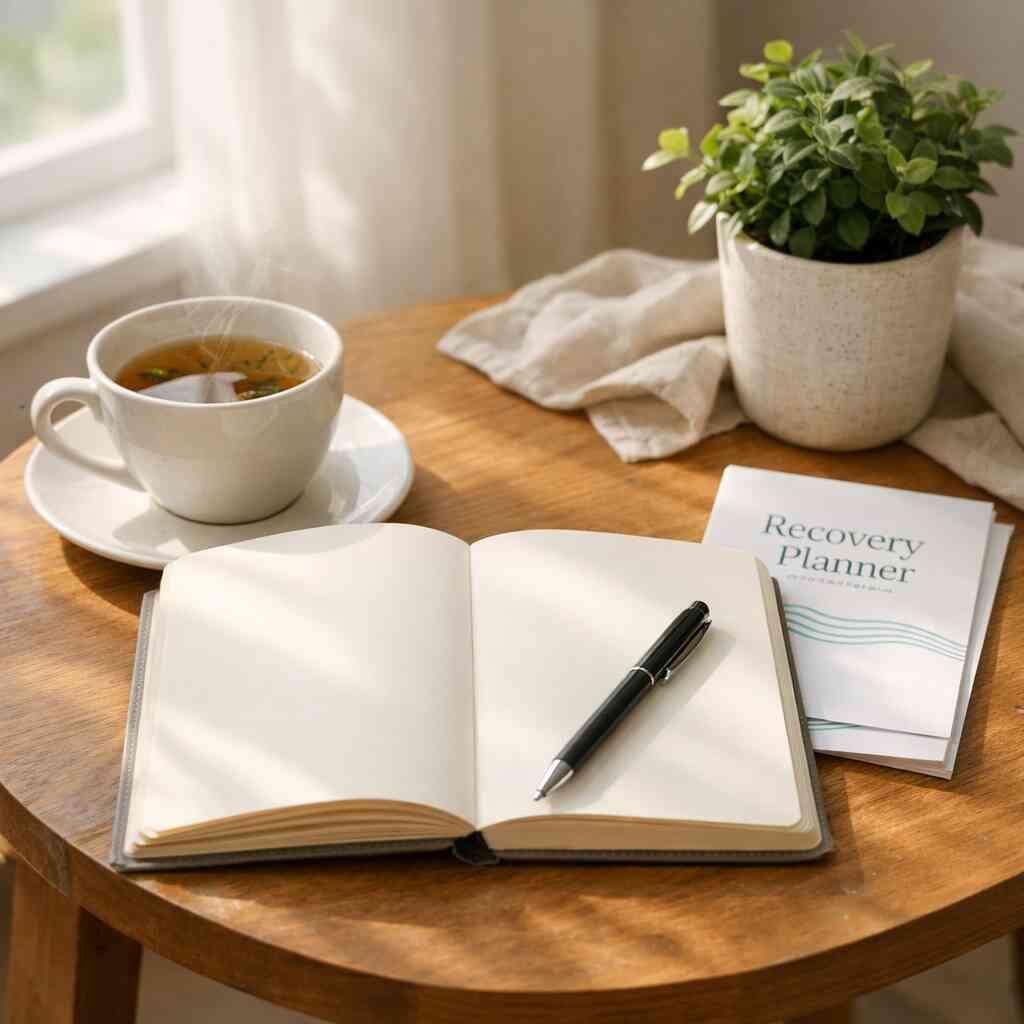
A strong routine starts with trigger management. Your triggers may be people, places, emotions, pain, boredom, or even celebrations. Once you name them, you can plan around them instead of reacting in the moment. That is how accountability planning becomes useful, because you are not relying on memory when your thinking is cloudy.
A practical routine includes:
- Morning check-in with yourself
- One daily recovery contact
- Regular meals and hydration
- Movement, stretching, or yoga therapy
- A set bedtime
- Avoidance of high-risk places and people
- A backup plan for nights, weekends, and holidays
I usually tell people to keep the plan short enough to read in under two minutes. If it is too long, they will not use it when cravings hit. A simple plan beats a perfect one that stays in a drawer.
Support network check-ins matter too. That may mean a sponsor, therapist, family member, alumni contact, or recovery coach. The point is consistent contact, not perfect conversation. Even a brief “I am having a hard hour” text can interrupt a slide toward isolation.
“When I first arrived at reco I was a little terrified of detox. I had tried on my own so many times before and failed because the withdrawal symptoms were overwhelming. The staff here never left my side, they kept checking on me and adjusting my plan so I wouldn’t suffer more than I had to. The place itself feels nothing like a hospital or addiction rehab at all. It’s really peaceful and private and really put my mind at ease. What stood out the most was how personal the care felt, like they actually knew me and weren’t just following a generic process. That gave me hope I hadn’t felt in years. I walked away not only sober but believing in myself again.”- tim H., a 5 star review from RECO Island on Google Business Reviews
For more on what many people gain from continuing care, see what RECO Island alumni learn.
Choosing the right mix of aftercare planning, outpatient program Delray Beach care, mental health IOP, and sober living resources
Aftercare planning should match the level of support you actually need. Some people do well with weekly therapy and meetings. Others need a step-down such as a partial hospitalization program, an intensive outpatient schedule, or a mental health IOP when anxiety, depression, or trauma symptoms are still active. If home is unstable, sober living resources may also help.
Level of supportBest forCommon scheduleWeekly outpatient therapyStable home, lower relapse riskOne visit weeklyIntensive outpatient / mental health IOPOngoing triggers, co-occurring disorders, or early recovery stressSeveral days weeklyPartial hospitalization programHigher structure need after treatmentMost weekdaysSober living resourcesHome is triggering or unsafeShared accountability dailyThat mix matters in South Florida because daily life can move quickly, and old access points are everywhere. A person leaving an inpatient rehab Palm Beach County setting may need more structure than they expected. In those cases, stepping down slowly often works better than trying to do everything on your own.
If you are comparing levels of care, our life after treatment resource is a useful place to start. If insurance questions are part of the delay, review insurance verification early so cost does not become the reason support gets postponed.
When to tighten the plan and when to ask for more support
You should tighten the plan when cravings rise, sleep falls apart, emotions feel out of control, or you start hiding pain. Ask for more support if your coping tools stop working, if you return to old routines, or if mental health symptoms start driving behavior. Recovery gets safer when you respond early, not when things have already broken down.
Using coping skills, emotional regulation, and evidence-based care like CBT, DBT, EMDR, and medication-assisted treatment
The best relapse prevention strategies combine coping skills with evidence-based treatment. Cognitive behavioral therapy helps you challenge the thoughts that push you toward use. Dialectical behavior therapy builds distress tolerance and emotional regulation. EMDR trauma therapy can help process trauma that keeps the nervous system on high alert. These methods are used widely because they have a solid evidence base, including guidance from the American Psychological Association and NIDA.
Medication can also play a role when it fits the diagnosis and the person. Medication-assisted treatment may include Suboxone maintenance for opioid use disorder or Vivitrol injections for alcohol or opioid relapse prevention, when clinically appropriate. If you are dealing with fentanyl treatment, heroin recovery, prescription pill addiction, or opioid rehab Delray needs, medication management may be part of the safest plan. The same is true for alcoholism treatment center care when cravings remain intense.
For people with depression and addiction, anxiety treatment, bipolar disorder therapy, or PTSD treatment, the relapse plan should include mental health care, not just substance use care. Our dual diagnosis treatment guide explains why co-occurring disorders need to be treated together. If trauma is part of your story, trauma therapy in South Florida can show how targeted work supports steadier recovery.
A practical way to decide whether to tighten the plan is this:
- If one stressor is temporary, increase check-ins for a few days
- If cravings last more than a day or two, contact your therapist or program
- If you stop sleeping, eating, or showing up, ask for a higher level of care
- If you feel unsafe, seek immediate help through your treatment team or the SAMHSA National Helpline
Family support can help too. A structured family meeting, better communication, and clear boundaries can reduce chaos at home. If that is part of your recovery picture, our family therapy page explains how family work can fit into ongoing care. Alumni support also matters, because connection after discharge often protects long-term recovery more than motivation alone. When appropriate, our alumni program can help keep that support active.
If you need help now and want medically supervised care in a calm, private setting near the coast, RECO Island is one option to consider in Delray Beach. Our team can help you think through detox, aftercare, and the next right level of support. Call +1 561-464-4077 if you want to talk through what that could look like for you.
FAQ
How long does detox last at a Delray Beach rehab?
Detox length depends on the substance, how long it has been used, overall health, and whether alcohol, opioids, benzodiazepines, or multiple substances are involved. In general, alcohol and opioid withdrawal can begin within hours and may last several days, while some symptoms from benzodiazepine withdrawal can take longer and need close medical monitoring. If you are asking, “how long is detox,” the honest answer is that it is individualized.
What is the difference between PHP vs IOP?
A partial hospitalization program, or PHP, gives more structure and more hours of treatment each week than intensive outpatient care. PHP often works best when someone still needs daily support after residential care or detox. IOP is usually a step down, with fewer weekly hours and more flexibility for work, family, or school. Both can help with relapse prevention when they match the person’s needs.
Does medication-assisted treatment help with relapse prevention?
Yes, for many people it does. Medication-assisted treatment can reduce cravings and lower relapse risk for opioid and alcohol use disorders when it is prescribed and monitored appropriately. Medications such as Suboxone or Vivitrol are not right for everyone, but they can be an important part of a broader recovery plan that includes therapy, support groups, and monitoring.
What are common relapse warning signs?
Common warning signs include skipping meetings, poor sleep, irritability, secrecy, isolation, romanticizing substance use, and pulling away from support. People may also stop eating well, ignore routines, or reconnect with high-risk contacts. If you spot these changes, it is better to ask for help early than to wait until the situation gets worse.
Can family be part of aftercare planning?
Yes. Family therapy can help with boundaries, communication, and accountability after rehab. It is especially useful when the home environment has stress, conflict, or confusion about recovery expectations. Family involvement does not mean control; it means building a safer structure around the person in recovery.
What if I need help for depression but not addiction?
That is still worth treating. Depression, anxiety, PTSD, and bipolar disorder can increase relapse risk even if substance use feels secondary right now. A mental health IOP, therapy, or psychiatric support may help you stabilize before substance use becomes a problem. If symptoms feel urgent or you are unsure where to start, a licensed treatment team can help you sort out the right level of care.
Are there sober things to do in Delray Beach after rehab?
Yes. Delray Beach has a strong recovery community, and having sober plans matters more than most people expect. Beach walks, coffee meetups, fitness classes, volunteer work, and structured alumni events can all support recovery. The key is to choose activities that reduce isolation and keep your evenings from going blank.