How to Choose a Dual Diagnosis Program Near Palm Beach
If you are reading this because drinking, pills, panic, or mood swings keep overlapping, take a breath. That knot in your stomach makes sense. Families around Palm Beach hear conflicting advice every week, and the options can blur together fast. The hard part is not finding a program. The hard part is finding one that […]
If you are reading this because drinking, pills, panic, or mood swings keep overlapping, take a breath. That knot in your stomach makes sense. Families around Palm Beach hear conflicting advice every week, and the options can blur together fast. The hard part is not finding a program. The hard part is finding one that treats both the substance use and mental health piece with real care.
When a dual diagnosis problem starts looking bigger than one person can handle
Why depression and addiction often hide inside each other near Palm Beach
Depression and addiction often feed each other quietly. A person drinks to sleep, then wakes up more anxious. Someone uses pills to blunt panic, then feels flatter and more hopeless the next day. Near Palm Beach, where stress, work pressure, and social life can all run hot, that loop can hide in plain sight.
The co-occurring disorders model from NIDA explains this clearly. Mental health symptoms and substance use can develop together, or one can intensify the other. That is why dual diagnosis treatment matters. It does not ask which problem came first. It treats the full picture.
The signs that point to co-occurring disorders instead of a single issue
Here is the part many families miss. If substance use improves for a few days, but anxiety, irritability, or despair stays high, there is likely more going on. The same is true when the person keeps relapsing after stress, conflict, or trauma reminders. Those are not moral failures. They are clinical clues.
Look for patterns like these:
- Mood swings that feel bigger than the drug use alone
- Panic, sleep loss, or depression that started before use
- Drinking or using after arguments, grief, or trauma
- Trouble holding work, school, or relationships together
- Withdrawal symptoms paired with hopelessness or fear
One family called after their son had already tried to stop twice. Each time, the first week looked fine, then the panic returned hard. They had been searching for an alcoholism treatment center. What he needed was care for depression and addiction together, not another lecture about willpower.
When a family should stop waiting and look for dual diagnosis treatment
Most families wait too long. That is normal. You hope the next week will be better. You hope the person will “snap out of it” after a talk. But if symptoms keep cycling, waiting can deepen the risk.
You should look for dual diagnosis treatment sooner if you see:
- Substance use plus suicidal talk or self-harm
- Alcohol, cocaine, or opioid use tied to trauma or grief
- Repeated detox attempts without stable follow-through
- Severe anxiety, bipolar disorder signs, or PTSD symptoms
- Family life becoming unsafe, chaotic, or unmanageable
A Delray Beach rehab setting can help because it lowers friction. The coast is calm, but the care still stays clinical. That balance matters when you need structure without feeling trapped in a sterile space.
Why a Delray Beach rehab setting can matter when stress is part of the picture
Stress changes how people use substances. That is true for alcohol, benzodiazepines, opioids, and stimulants. A setting near the beach does not cure anything. Still, a calmer environment can make it easier to focus during the first difficult days.
What we have seen in 2026 specifically is that people often do better when the setting reduces noise. Delray Beach gives you access to a recovery community, but also enough distance from old triggers. That can matter during South Florida detox, especially when sleep is broken and emotions feel raw. If you want a deeper overview, start with dual diagnosis treatment for co-occurring disorders in Delray Beach.
The filter that separates a real program from a polished brochure
How to compare licensed clinicians, evidence-based treatment, and Joint Commission accreditation
A polished website is not enough. You want to know who is actually delivering care. Ask about licensed clinicians, clinical supervision, and the therapies used day to day. Then check whether the program uses evidence-based treatment rather than vague wellness language.
If the facility has Joint Commission accreditation, that can signal stronger systems and oversight. It is not the only marker that matters, but it helps. SAMHSA guidelines also emphasize integrated care for co-occurring conditions. If a program cannot explain how it treats both sides of the diagnosis, keep looking.
What Florida addiction treatment credentials should actually be verified
Credentials should be specific and current. Ask whether the program is DCF licensed and whether it follows state rules for admissions, documentation, and clinical staffing. If the center mentions being a NAATP member, ask what that means in daily practice. Membership alone does not replace quality, but it can add context.
Do not let the words “private rehab” lull you into assuming depth. Some programs offer comfort without enough clinical range. You need facts. Ask about the therapies, the staffing model, and the level of psychiatric support. If the answer stays fuzzy, that is a sign.
Why insurance verification and out-of-network benefits should be checked early
Money anxiety can shut families down fast. I see that all the time. You may be comparing Florida rehabs that take insurance, looking at Aetna, Cigna, or Blue Cross Blue Shield, and still feeling lost. That is exactly why insurance verification should happen early, not after you have already committed.
You should also ask about out-of-network benefits and self-pay options. Those details can change the real cost a lot. If you want a plain-English path through that process, review insurance verification for Florida rehabs that take coverage. It is much easier to choose once the numbers are real.
How to spot whether a private rehab is set up for real clinical depth or just comfort
Comfort matters. So does clinical depth. A beachside setting, good food, and a peaceful room can support healing. They cannot replace therapy, psychiatric care, and a strong discharge plan.
Ask what happens in the first 72 hours. Ask how psychiatric symptoms are tracked. Ask whether the center offers group therapy activities, family therapy, and case management. One client once told staff that the room looked great, but the questions changed everything. The program that impressed her most was the one that could explain treatment in plain language. That is a good test for any private rehab.
The treatment mix that should fit the disorder, not the marketing
How PHP and IOP differ when mental health and substance use are both active
Partial hospitalization program and intensive outpatient sound similar, but they are not the same. PHP usually gives more hours per week and more structure. IOP, including mental health IOP, is lighter and often fits people who can stay safe and stable outside treatment.
Use this simple frame:
Level of careBest forTime structurePHPActive symptoms, high relapse risk, more support neededMore weekly hoursIOPSome stability, work or family demands, step-down careFewer weekly hoursResidential treatment facilityUnsafe home setting, severe symptoms, repeated relapse24-hour structureA strong program should explain what is PHP vs. IOP without pressure. If the answer sounds like marketing, keep asking.
When residential treatment facility level care makes more sense than an outpatient program in Delray Beach
An outpatient program in Delray Beach can work well for the right person. Still, some people need more structure first. If detox is active, if home is chaotic, or if suicidal thoughts or heavy use are present, a residential treatment facility may be safer. This is especially true after cocaine detox in Florida, opioid rehab in Delray, fentanyl treatment, or benzodiazepine withdrawal. Those situations can shift fast. A higher level of care gives time for stabilization. If you are comparing options, PHP versus IOP for Delray Beach rehab can help you sort the differences. 
Why CBT, DBT, and EMDR trauma therapy matter for PTSD treatment and trauma therapy South Florida
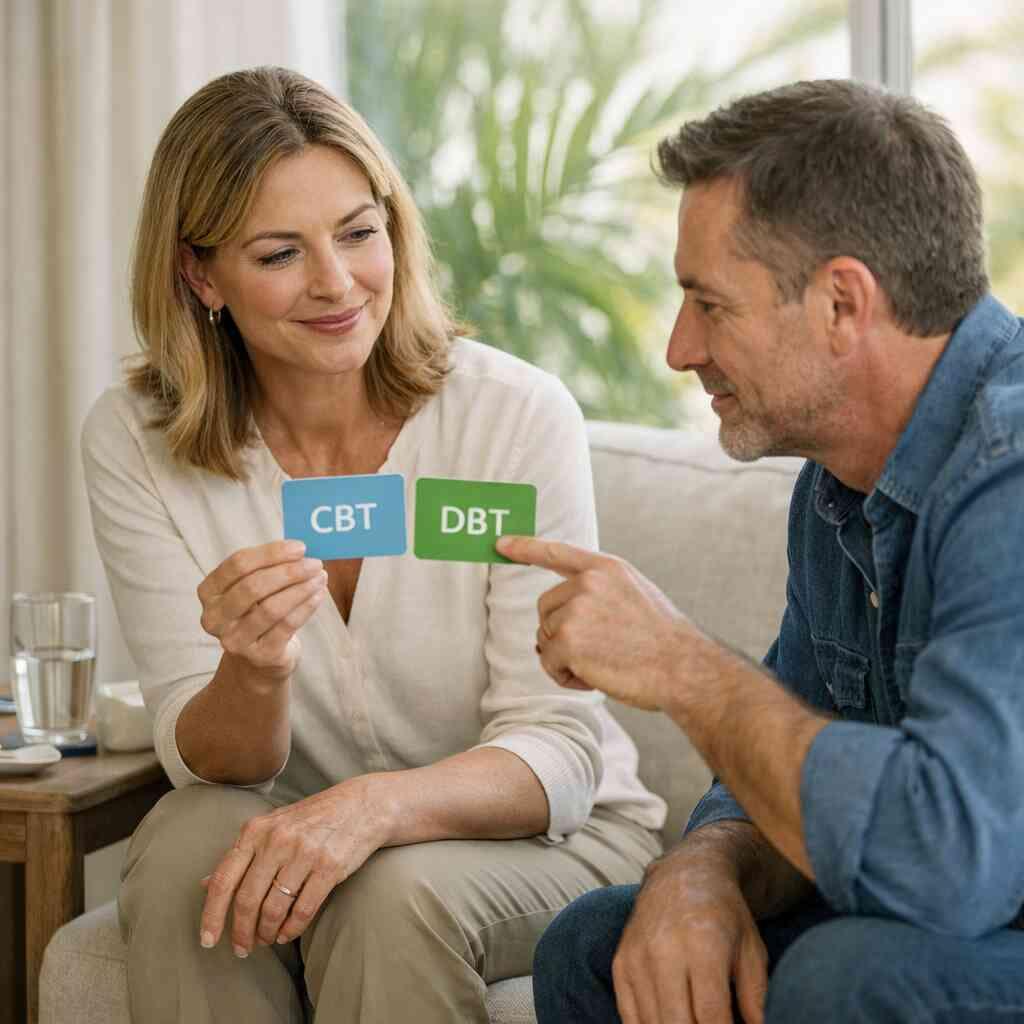
Not all therapy is the same. Cognitive behavioral therapy helps people spot thought patterns that drive use. Dialectical behavior therapy teaches skills for distress, emotion control, and relationships. EMDR trauma therapy can help process trauma when symptoms connect to past events.
That matters for PTSD treatment, trauma therapy South Florida, anxiety treatment, and bipolar disorder therapy. A 2023 analysis in JAMA Network Open found integrated behavioral treatment can support better engagement for complex conditions. The point is simple. If trauma sits under the addiction, ignoring it leaves the door open.
Where medication assisted treatment fits for opioid rehab Delray, fentanyl treatment, and prescription pill addiction
Medication can save lives. For opioid rehab Delray, fentanyl treatment, and heroin recovery, medication-assisted treatment may include Suboxone maintenance or Vivitrol injections, depending on the clinical plan. For prescription pill addiction, especially after repeated relapse, medication can reduce cravings and stabilize the body.
This does not replace therapy. It supports it. FDA-approved medications work best with counseling, monitoring, and follow-up. If a program treats MAT like an afterthought, that is a problem. Medication-assisted treatment for opioid recovery and fentanyl support explains the role in more depth.
How family therapy, group therapy activities, and case management support long-term recovery
Recovery rarely holds on skill alone. People need support for housing, work, appointments, and communication. That is where family therapy, group therapy activities, and case management matter. They help turn insight into action.
The best programs also teach coping skills, life skills training, and vocational support when needed. Some families want 12-step alternatives like SMART Recovery. Others want a mix. A good center respects that and builds support around the person, not the slogan. If family involvement matters to you, family therapy and support after detox is a useful place to start.
What aftercare planning should include from sober living resources to alumni program support
Treatment does not end at discharge. That is where many plans get weak. Good aftercare planning should include relapse prevention, appointment scheduling, and housing guidance. It should also include sober living resources when home is not ready.
An alumni program can help people stay connected after formal care ends. So can a check-in plan, therapy follow-up, and recovery meetings. At RECO, the focus on continuing support fits best practices for long-term care. Aftercare planning and sober living resources in South Florida lays out what that usually includes.
The decision frame that helps Palm Beach families choose with confidence
How to weigh location, coastal healing environment, and Delray Beach recovery community without overvaluing scenery
A coastal healing environment can help calm the nervous system. So can a strong Delray Beach recovery community. But scenery should never outrank clinical fit. A beautiful view will not treat trauma, cravings, or mania.
That said, location still matters. Easy access from Boca Raton, West Palm Beach, Fort Lauderdale, and Miami can reduce travel stress. It can also make family visits easier. On Atlantic Avenue, you can feel the pulse of the area without being right in the middle of it. That balance can support focus.
What questions to ask about intake process, scheduling, and daily structure before admission
Do not admit blind. Ask how the intake process works. Ask how soon assessment happens, what a daily schedule looks like, and how medication or psychiatric review is handled. If the center cannot answer clearly, that is a warning sign.
A few smart questions:
- How long is detox, if detox is needed?
- What does a typical day look like?
- Who monitors mental health changes?
- How are family updates handled?
- What happens if symptoms worsen?
If you want a preview of structure, what to expect in a day at treatment is a helpful reference. Predictability can lower fear fast.
How to compare support for young adult rehab, LGBTQ+ affirmative treatment, veterans addiction help, and gender-specific treatment
People do better when they feel seen. That is true for young adult rehab, LGBTQ+ affirmative treatment, veterans addiction help, and gender-specific treatment. A program should understand identity, stress, and safety without turning that into a slogan.
Ask how the center handles privacy, pronouns, trauma triggers, and peer fit. Ask about women’s rehab and men’s recovery tracks if those matter to you. The goal is not to box people in. The goal is to reduce shame and increase honesty, which supports long-term recovery.
What a strong next step looks like for insurance verification, travel coordination, and early placement at RECO Island
If you are comparing Palm Beach County treatment centers, keep the next move simple. Call, verify, and ask direct questions. At RECO Island, the RECO Intensive location at 140 NE 4th Avenue Delray Beach FL 33483 sits close enough for local access and far enough for some breathing room. That matters when every mile feels heavy.
One reviewer wrote, “The clinical program was comprehensive and tailored to individual needs. What truly stood out, however, was the compassionate staff.” – Jessica H., a 5-star review from our Google Business Reviews. That kind of feedback does not prove fit for every person, but it does reflect the kind of care families hope to find.
If you are ready to sort coverage, start with private rehab options with out-of-network benefits and self-pay planning. Then ask for travel help, schedule options, and placement timing. You do not have to figure this out alone, and you do not have to solve it all today. Start with one call, and ask the questions that matter.
Frequently Asked Questions
Question: How do I choose the right dual diagnosis treatment program near Palm Beach if I am dealing with depression and addiction, anxiety treatment needs, or bipolar disorder therapy?
Answer: Start by looking for a program that treats co-occurring disorders together, not separately. A strong dual diagnosis treatment plan should address substance use and mental health at the same time through evidence-based treatment, licensed clinicians, and a clear clinical structure. At RECO Island in Delray Beach, the focus is on helping people understand the full picture rather than forcing them to fit into one category like alcoholism treatment center, drug rehab near me, or mental health IOP. That matters because depression and addiction, PTSD treatment needs, anxiety treatment, and bipolar disorder therapy can all fuel relapse if they are not treated together. You should also ask about the level of care, such as partial hospitalization program, intensive outpatient, or residential treatment facility, and whether the program offers aftercare planning, family therapy, and relapse prevention support. If you are comparing Palm Beach County treatment centers, ask how they handle the intake process, insurance verification, and whether they work with Florida rehabs that take insurance like Aetna, Cigna, or Blue Cross Blue Shield. That combination of clinical depth and practical support is what helps families feel confident.
Question: What should I ask a Delray Beach rehab about PHP vs IOP, South Florida detox, and how long is detox before I decide on admission?
Answer: A good program should explain what is PHP vs. IOP in plain language and help you match the level of care to current symptoms. Partial hospitalization program usually offers more structure and support, while intensive outpatient or mental health IOP can work better when someone is stable enough to live at home or in sober living resources. If detox is needed, ask how long detox is expected to last for your situation, since that can vary based on alcohol, opioids, fentanyl treatment needs, prescription pill addiction, or benzodiazepine withdrawal. RECO Island can help people think through these decisions without pressure, which is important when choosing between outpatient program Delray Beach options and a residential treatment facility. If you are facing cocaine detox Florida, opioid rehab Delray, or heroin recovery, higher support may be needed early on. It is also wise to ask whether the facility uses medication-assisted treatment, such as Suboxone maintenance or Vivitrol injections, when clinically appropriate. The goal is not to guess. The goal is to place you at the right level of care so that stabilization, therapy, and aftercare planning can all work together.
Question: Does RECO Island offer trauma therapy South Florida patients can trust, including CBT, DBT, and EMDR trauma therapy?
Answer: When trauma sits underneath substance use, treatment has to go deeper than surface-level support. That is why programs should be able to explain how they use cognitive behavioral therapy, dialectical behavior therapy, and EMDR trauma therapy as part of a broader clinical plan. These approaches can support people dealing with PTSD treatment, anxiety treatment, depression and addiction, and emotional instability that may lead to relapse. At RECO Island, the emphasis is on compassionate, integrated care that helps people build coping skills, not just stop using for a few days. A thoughtful treatment program may also include group therapy activities, family therapy, mindfulness meditation, and other supports that reinforce long-term recovery. If you are comparing private rehab options or beachside recovery settings, ask whether the clinicians understand co-occurring disorders and whether the care plan is built around the person rather than a one-size-fits-all model. That is often the difference between temporary relief and meaningful progress.
Question: How does insurance verification work for Florida addiction treatment, and can RECO Island help with out-of-network benefits or self-pay options?
Answer: Yes, insurance verification should be one of the first steps when choosing a rehab, because it can change your options quickly and reduce stress. If you are comparing Florida addiction treatment centers, ask whether they accept Florida rehabs that take insurance, and whether they can verify benefits for Aetna, Cigna, or Blue Cross Blue Shield. You should also ask about out-of-network benefits and self-pay options so there are no surprises later. RECO Island encourages families to start with the numbers early, since financial uncertainty can make it harder to focus on recovery. A strong admissions team should also explain what is covered for detox, inpatient rehab Palm Beach County care, partial hospitalization program, intensive outpatient, aftercare support, and family weekend services if available. If the center cannot explain the process clearly, that is a sign to keep asking questions. The right program should make the path easier, not more confusing.
Question: What makes RECO Island a strong option for long-term recovery, aftercare planning, and support after treatment near the Delray Beach recovery community?
Answer: Long-term recovery usually depends on what happens after the first phase of treatment ends. A strong program should include aftercare planning, sober living resources, relapse prevention, case management, life skills training, vocational support, and ongoing connection through an alumni program. That is especially important for people leaving residential treatment facility care, partial hospitalization program services, or intensive outpatient support. RECO Island is located at 140 NE 4th Avenue Delray Beach FL 33483, which places it within the Delray Beach recovery community and close to the larger South Florida recovery network. That can help people stay connected to treatment while also easing travel for families from Boca Raton outpatient, West Palm Beach mental health, Fort Lauderdale detox, or Miami addiction help areas. If you are looking at Palm Beach County treatment centers, ask how a program supports women’s rehab, men’s recovery, young adult rehab, LGBTQ+ affirmative treatment, veterans addiction help, or a professional’s program when those factors matter. The best fit is the one that helps the person feel seen, supported, and prepared for life after treatment, not just while they are in the building.