
How to Choose a Florida Rehab That Takes Insurance
A Florida rehab that takes insurance is the right fit when it can verify your benefits, explain your true out-of-pocket costs, and match you to the right level of care. The cheapest sticker price is not always the lowest real cost, especially if detox, PHP, or IOP is not covered the way you expect. If […]

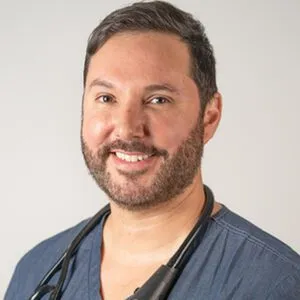
A Florida rehab that takes insurance is the right fit when it can verify your benefits, explain your true out-of-pocket costs, and match you to the right level of care. The cheapest sticker price is not always the lowest real cost, especially if detox, PHP, or IOP is not covered the way you expect.
If you are reading this late at night because the insurance question feels confusing, I understand. This part is genuinely hard, and families ask us about it every week.
Key Takeaways
- Insurance verification is more important than the listed price because it shows what Aetna, Cigna, or Blue Cross Blue Shield may actually cover for detox, residential care, PHP, or IOP.
- Out-of-network benefits and self-pay options can still make Delray Beach rehab affordable if the program is transparent about deductibles, copays, coinsurance, and authorized days.
- The right level of care matters as much as the insurance network; South Florida detox, residential treatment, partial hospitalization, and intensive outpatient each fit different clinical needs.
- Dual diagnosis treatment should be considered when addiction and mental health symptoms show up together, especially with depression and addiction, anxiety, PTSD, or bipolar disorder.
- The best Florida addiction treatment plans include more than stopping use; they should include evidence-based therapy, relapse prevention, aftercare planning, and support after discharge.
What matters more than the sticker price when a Florida rehab says it takes insurance
The real question is not just whether a rehab “takes insurance.” It is whether the program can verify your benefits, explain the authorization process, and tell you what you may owe after deductibles, copays, and coinsurance. In my experience, that is where many people finally see the true cost of care.
How insurance verification reveals the real cost of care for Aetna, Cigna, and Blue Cross Blue Shield plans
Insurance verification gives you the numbers that matter: what level of care is covered, how many days are authorized, whether prior approval is needed, and whether the facility is in-network or out-of-network. For Aetna, Cigna, and Blue Cross Blue Shield, those details can change the cost more than the monthly premium ever will.
A strong admissions team should walk you through the intake process in plain language. Ask for three things before you commit:
- Your deductible, copay, and coinsurance.
- Whether detox, PHP, and IOP are each covered.
- Whether the program needs prior authorization before admission.
For practical insurance questions, I often point families to our insurance guide and, when they are ready, to verify your benefits. If you want a second opinion on cost structure, the article how to compare treatment costs can help you ask better questions.
Why out-of-network benefits and self-pay options can still make Delray Beach rehab more affordable than people expect
Out-of-network benefits are not always a deal breaker. Some plans still pay a meaningful share of care, especially if the facility provides documentation cleanly and your deductible has already been met. Self-pay can also be workable when the program offers clear pricing and the right clinical fit.
OptionWhat it may coverWhat to askIn networkLower member cost, simpler billingIs detox authorized? Are PHP and IOP included?Out of networkPartial reimbursement, plan dependentWhat percentage applies after the deductible?Self payFull direct paymentAre there package rates or payment timing options?I once spoke with a parent who assumed their only choice was a high bill or no care at all. After verification, they learned the plan had out-of-network benefits that changed the picture completely. The family still had to make a decision, but it was no longer based on fear alone.
The coverage maze that decides whether detox, PHP, or IOP is actually the right fit
The best insurance-covered addiction treatment is the one that matches your medical needs. Detox is for withdrawal management, residential care offers 24/7 structure, PHP provides a full daytime schedule, and intensive outpatient gives support with more independence. If the level of care is wrong, coverage alone will not make treatment effective.
How to read the difference between South Florida detox, residential treatment, partial hospitalization program, and intensive outpatient without getting lost
South Florida detox is usually the first step when withdrawal could be unsafe or unbearable without medical support. It is often short-term and focused on stabilization, and people commonly ask how long detox lasts; the answer depends on the substance, health history, and symptoms. Alcohol, opioids, cocaine, fentanyl, heroin, prescription pill addiction, and benzodiazepine withdrawal all require different monitoring.
A residential treatment facility gives more structure after detox or instead of it, depending on clinical need. A partial hospitalization program is often a day program with several hours of treatment and support, while intensive outpatient typically means fewer weekly hours and more time at home or in sober living. For a closer look at care levels, our treatment page and residential detox options are good starting points.
Level of careMain purposeTypical fitDetoxManage withdrawal safelyAlcohol, opioids, benzos, fentanylResidentialStabilize and build routineHigher relapse risk, unstable home settingPHPFull daytime therapyStep-down from residential or detoxIOPOngoing support with flexibilityWork, school, or family duties### When dual diagnosis treatment for depression and addiction or anxiety treatment needs a higher level of care than standard outpatient support
If substance use and mental health symptoms are both active, dual diagnosis treatment may be the safer choice. The co-occurring disorders model recognizes that depression and addiction, anxiety treatment needs, PTSD, and bipolar disorder therapy often affect each other. The National Institute on Drug Abuse has long emphasized that treating both together improves clinical planning.
Here is the part most people miss: if panic, insomnia, suicidal thoughts, severe mood swings, or trauma symptoms are driving use, standard outpatient support may be too thin. A mental health IOP or higher level of care can provide more contact, more monitoring, and a more stable plan. I have seen people do better once they stop trying to solve two problems with one thin layer of care.
Why the best Florida addiction treatment plans are built around more than stopping use
The best plans do more than get substances out of the body. They build skills, address trauma, support family repair, and prepare you for the weeks after discharge. That is where long-term recovery becomes more realistic.
What evidence-based treatment can look like with CBT, DBT, EMDR trauma therapy, group therapy activities, family therapy, and medication-assisted treatment
Evidence-based treatment means the methods have research behind them and clinical use behind that research. For many people, that includes cognitive behavioral therapy, dialectical behavior therapy, EMDR trauma therapy, group therapy activities, and family therapy. The American Psychological Association and the National Institute of Mental Health both describe how psychotherapy can help with mood, trauma, and behavior change.
Medication-assisted treatment can also matter, especially for opioid rehab Delray patients. FDA-approved options such as Suboxone maintenance and Vivitrol injections may reduce cravings and help protect recovery when clinically appropriate. I usually tell families that medication is not a shortcut; it is one tool that can lower the noise long enough for therapy to work.
A solid program may also include holistic recovery tools like yoga therapy, art therapy, and mindfulness meditation. Those supports do not replace clinical care, but they can improve coping skills and reduce stress. For people who want a clear view of medication support, our medication-assisted treatment guide is a helpful read.
How aftercare planning, sober living resources, alumni support, and relapse prevention help protect long-term recovery after discharge
Recovery does not end at discharge. Aftercare planning should include relapse prevention, sober living resources, case management, and realistic next steps for work, school, or family life. Good programs also help with vocational support, life skills training, and nutritional counseling when needed.
A strong aftercare plan often includes:
- Ongoing therapy or psychiatry follow-up
- Community support such as SMART Recovery or 12-step alternatives
- Family therapy or a family weekend
- Alumni support and regular check-ins
- Practical planning for triggers, transportation, and housing
For many people, a continuing care link matters as much as the treatment itself. That is why our life after treatment resource and alumni support page are part of the conversation, not an afterthought.
If you are looking for a Delray Beach rehab that takes insurance and still feels personal, RECO Island can be a strong option. We are at 140 NE 4th Avenue Delray Beach FL 33483, close to the local recovery community and the calm of the coast. One Google review captured the kind of care families often hope for: “The staff here never left my side, they kept checking on me and adjusting my plan so I wouldn’t suffer more than I had to.” – Tim H., 5-star review from RECO Island on Google Business Reviews.
The decision frame that helps families choose a rehab in Delray Beach with confidence
The best choice is the one that is medically appropriate, financially clear, and honest about what happens next. Before you commit, ask about the clinical team, the facility’s licensing, the admission process, and how the program handles insurance, family involvement, and step-down care. A coastal setting can help, but structure and expertise matter more than scenery. ### What to ask about licensed clinicians, Joint Commission accreditation, DCF licensed status, and the intake process before you commit 
You should ask whether the program has licensed clinicians, whether it is Joint Commission accredited, and whether it is DCF licensed. I also suggest asking how the intake process works, how the facility handles medication decisions, and whether it offers specific tracks such as young adult rehab, professional program support, LGBTQ+ affirmative treatment, veterans addiction help, gender-specific treatment, women’s rehab, or men’s recovery when needed.
Here are the questions I would ask on one phone call:
- What does your insurance verification show?
- What level of care do you recommend, and why?
- Do you offer mental health support for co-occurring disorders?
- What does aftercare planning include?
- How do you support family therapy and sober living planning?
If you want a broader comparison before deciding, the best insurance questions guide and how to choose a Florida treatment center can help you feel steadier.
How a coastal setting near 140 NE 4th Avenue Delray Beach FL 33483 can support healing, and when RECO Island may be the right next step
A calm setting near the beach can lower stress, but it should never distract from clinical care. In Delray Beach, the mix of a strong recovery community, Atlantic Avenue energy, and a quieter residential feel can support early stability if the program is built well. The location should feel restorative, not performative.
If you are comparing Florida rehabs that take insurance, RECO Island is worth considering when you want medically supervised detox, mental health support, and a connected continuum of care in one place. Use our detox page if you want to understand that level of care better, then call +1 561-464-4077 to ask about insurance, availability, and the safest next step for your situation.
Frequently Asked Questions
How long does detox last at a Delray Beach rehab?
Detox length depends on the substance, how long you have been using, and your health history. Alcohol and benzodiazepines can require longer monitoring because withdrawal can be dangerous. Opioid detox may feel shorter but still needs close support because cravings and discomfort can spike quickly. A good admissions team will not guess; they will assess you and explain the likely timeline.
Does RECO Island take my insurance?
The only reliable way to know is to verify your benefits. Coverage can vary by plan, network status, deductible, and the level of care you need. If you have Aetna, Cigna, Blue Cross Blue Shield, or another plan, ask for a benefits check before admission so you know whether detox, residential care, PHP, or IOP may be covered.
What’s the difference between PHP and IOP?
PHP is a more intensive day program, often used after detox or residential care. IOP is less time each week and usually works better once you are more stable and can manage more of daily life outside treatment. Both can help, but the right fit depends on withdrawal risk, relapse risk, mental health symptoms, and home support.
Can I bring my phone to treatment?
Policies vary by program and by level of care. Some facilities restrict phones early in treatment to reduce distractions and help you focus, while others allow limited use. Ask about electronics during the intake process so there are no surprises when you arrive.
Is family involved in the program?
Often, yes. Family therapy can help repair communication, set boundaries, and teach loved ones how to support recovery without enabling use. Some programs also offer family education or a family weekend. If family dynamics are tense, that does not rule out treatment; it usually means support should be structured.
What if I need help for depression but not addiction?
You still deserve care. Mental health IOP, trauma therapy, psychiatry, and outpatient support can help with depression, anxiety, PTSD, bipolar disorder, and other concerns even when substance use is not the main issue. If substances are part of the picture too, dual diagnosis treatment may be the safer path.
Where can I get immediate help if I am not sure what level of care I need?
If you are in crisis, call 911 or go to the nearest emergency room. If you need help finding treatment, the SAMHSA National Helpline can connect you with options. If you want to speak with RECO Island about medically supervised care in Delray Beach, call +1 561-464-4077 and ask for an insurance check and clinical review.