When to Choose Medication Assisted Treatment for Opioid Rehab
When opioid rehab stops being about willpower and starts being about the right medication If you are reading this because detox felt too hard, that feeling makes sense. Opioid withdrawal can wear you down fast. It can make sleep, focus, and hope feel thin. In a Delray Beach rehab setting, the question is often not […]

When opioid rehab stops being about willpower and starts being about the right medication
If you are reading this because detox felt too hard, that feeling makes sense. Opioid withdrawal can wear you down fast. It can make sleep, focus, and hope feel thin. In a Delray Beach rehab setting, the question is often not whether you want recovery. The question is which treatment keeps you safe long enough to build it.
The warning signs that detox alone is not holding the line
Detox can clear the body, but it does not fix opioid use disorder by itself. If you leave a South Florida detox and cravings come back within days, that is a warning sign. If you have used fentanyl, heroin, or prescription pills and then relapsed after a short break, the pattern matters. You may need medication-assisted treatment for opioid addiction rather than abstinence-only care. That is not a failure. It is a treatment match.
Here is the part most families miss. A person can complete detox and still be at high risk the next morning. The body may be out of withdrawal, but the brain is still chasing relief. We hear this from people looking for a drug withdrawal and opioid use disorder treatment plan that actually lasts. If sleep is gone, pain is rising, and every stressor feels like a trigger, the line is not holding.
Why fentanyl, heroin recovery, and prescription pill addiction often need a different plan
Fentanyl has changed the picture for opioid rehab Delray programs. It can drive stronger tolerance and harsher withdrawal than many older opioids. Heroin recovery can also involve repeated cycles of bingeing, crashing, and returning to use. Prescription pill addiction often begins with pain, then shifts into dependence before the person sees the trap. In each case, medication can reduce the body’s panic long enough for treatment to work.
One client from Palm Beach County came in after three detox attempts. Each time, the first week looked manageable. Then the second week brought chills, body aches, and crushing cravings. The turning point was not more shame. It was a new plan with medication support, therapy, and daily structure. That kind of pivot is common in real recovery work.
How cravings, withdrawal, and relapse risk show up in the body and brain
Cravings are not just thoughts. They live in the nervous system. People often feel them as a tight chest, sweating, restlessness, or a hot surge of urgency. Withdrawal can bring nausea, diarrhea, muscle pain, insomnia, and deep irritability. The brain learns quickly that opioids can shut those signals down, which is why relapse risk stays high.
SAMHSA guidance supports treating opioid use disorder as a chronic condition, not a moral test. NIDA also describes the co-occurring disorder model, where brain reward, stress, and self-control systems all change over time. That is why relapse prevention for opioid use disorder often includes medication, therapy, and daily support. A why South Florida detox may include medication-assisted care plan is often stronger than detox alone because it addresses both symptoms and risk.
When a Delray Beach rehab team may recommend medication assisted treatment instead of abstinence-only care
A skilled team may recommend MAT when the risk of relapse is high, withdrawal has been severe, or prior detoxes did not hold. They may also suggest it when fentanyl exposure, chronic pain, or unstable sleep make abstinence-only care fragile. In a coastal recovery setting like Delray Beach, that decision should feel practical, not ideological. The goal is not to prove toughness. The goal is to stay alive and stable.
Medication-assisted treatment can include Suboxone maintenance, Vivitrol injections, buprenorphine treatment, or methadone treatment, depending on the clinical picture. Each option has a role, and each needs careful monitoring. The best choice usually comes from an individualized treatment plan, not from slogans. If you want a plain-English breakdown, our understanding medication-assisted treatment for opioids resource can help frame the discussion before intake.
The decision map that separates a temporary fix from real stability
The right medication is only part of the picture. The real question is what keeps you steady after the first hard week. In practice, that means looking at use patterns, mental health, trauma history, and the level of structure you need. A temporary fix may quiet symptoms for a few days. Real stability changes the whole recovery plan.
Which opioid use disorder patterns point toward Suboxone maintenance or Vivitrol injections
Some people do better with medication that reduces cravings every day. Others prefer a monthly option once they are stable. Suboxone maintenance can help if you have repeated cravings, early relapse, or a long history of opioid use. Vivitrol injections may fit if you want a non-opioid blocker after detox and can maintain abstinence before starting it. The right choice depends on timing, history, and medical review.
The table below gives a simple view:
Medication optionCommon useWhy it may helpSuboxoneDaily maintenanceLowers cravings and withdrawalVivitrolMonthly injectionHelps block opioid effectsMethadoneStructured daily treatmentSupports severe dependence and stabilityYou may also hear about Vivitrol injections and Suboxone maintenance for opioid recovery during admissions. That conversation should be calm and specific. Ask how the medication affects cravings, sleep, and follow-up care. Then ask what happens if the first choice is not a fit.
When co-occurring disorders like depression and addiction or PTSD treatment change the treatment plan
If depression and addiction show up together, treatment needs to address both. The same is true for anxiety treatment, bipolar disorder therapy, and PTSD treatment. These are not side issues. They often drive opioid use in the first place. A person may use to sleep, numb panic, or quiet intrusive memories. If the mental health pain stays untreated, relapse risk stays high.
One young adult from Broward County described using pills after work just to silence panic. The opioid use made the panic worse, then the panic pushed the use higher. That cycle is exhausting. A dual diagnosis treatment plan can slow the cycle enough for the person to think clearly again. This is where co-occurring disorders treatment with integrated mental health care matters.
Why trauma therapy South Florida programs often pair MAT with CBT for addiction and DBT skills for recovery
Trauma therapy South Florida programs often use MAT alongside CBT and DBT because the brain needs new tools, not just less pain. CBT for addiction helps you notice the thought patterns that lead to use. DBT skills for recovery help with distress tolerance, emotion regulation, and urge surfing. EMDR trauma therapy may also help when past events keep hijacking the present. These therapies are evidence-based, and they work best when your nervous system is stable enough to absorb them.
What we have seen in 2026 specifically is that people do better when medication lowers the crisis level first. Then therapy can stick. That is why the combination matters. If you are comparing approaches, trauma-informed care with CBT and DBT skills for recovery is worth reading before you choose a program.
What PHP vs IOP means when choosing between inpatient rehab Palm Beach County and an outpatient program Delray Beach
PHP vs IOP is really a question of structure. A partial hospitalization program gives you more daily support. An intensive outpatient program gives you strong care with more time at home. If you need a residential treatment facility or inpatient rehab Palm Beach County level of protection, that usually means cravings, instability, or safety concerns are still high. If you can sleep, eat, and stay away from use with support, outpatient may fit better. That choice is not just about convenience. It is about risk. People in early recovery often underestimate how much structure they need. A good outpatient program Delray Beach should match your daily reality, not a brochure dream. If mornings are shaky, driving past triggers is hard, or home is tense, more support may be wiser. ### How insurance verification for rehab, private rehab options, and out-of-network benefits can affect timing and access 
Insurance can shape timing more than people expect. Some plans move fast. Others need verification before admission. If you are comparing private rehab options, ask about in-network coverage, out-of-network benefits, and self-pay options early. Do not wait until the last day of detox to sort it out. Delays can interrupt care at the exact moment support matters most.
A quick insurance check can also clarify whether you qualify for PHP, IOP, or a residential start. That matters when a person is fragile and needs a clear plan. For a South Florida family trying to balance work, childcare, and care costs, that clarity can reduce panic fast. Use insurance verification for rehab in South Florida before you commit.
What a safer next move looks like in Delray Beach and beyond
The safest next move is rarely the loudest one. It is usually the one that matches your symptoms, your history, and your support system. In Delray Beach, where recovery meetings, beachside routines, and local outpatient care often sit close together, that match can be powerful. The goal is to build something durable, not just stop use for a few days. That takes planning.
How an individualized treatment plan can combine medication assisted treatment, counseling, and relapse prevention
An individualized treatment plan should combine medication assisted treatment, counseling, and relapse prevention from the start. Medication can quiet withdrawal. Counseling can address triggers, relationships, and grief. Relapse prevention turns vague hope into concrete habits. That may include sleep routines, trigger mapping, coping skills, and scheduled check-ins.
A useful plan also defines what to do when stress hits. That is where harm reduction in rehab has real value. It is practical, not permissive. It means you reduce danger while rebuilding stability. If you want to understand how treatment and medication work together, our medication assisted treatment and counseling for opioid use disorder overview is a strong place to start.
Where family therapy, case management, and aftercare planning fit once withdrawal starts to settle
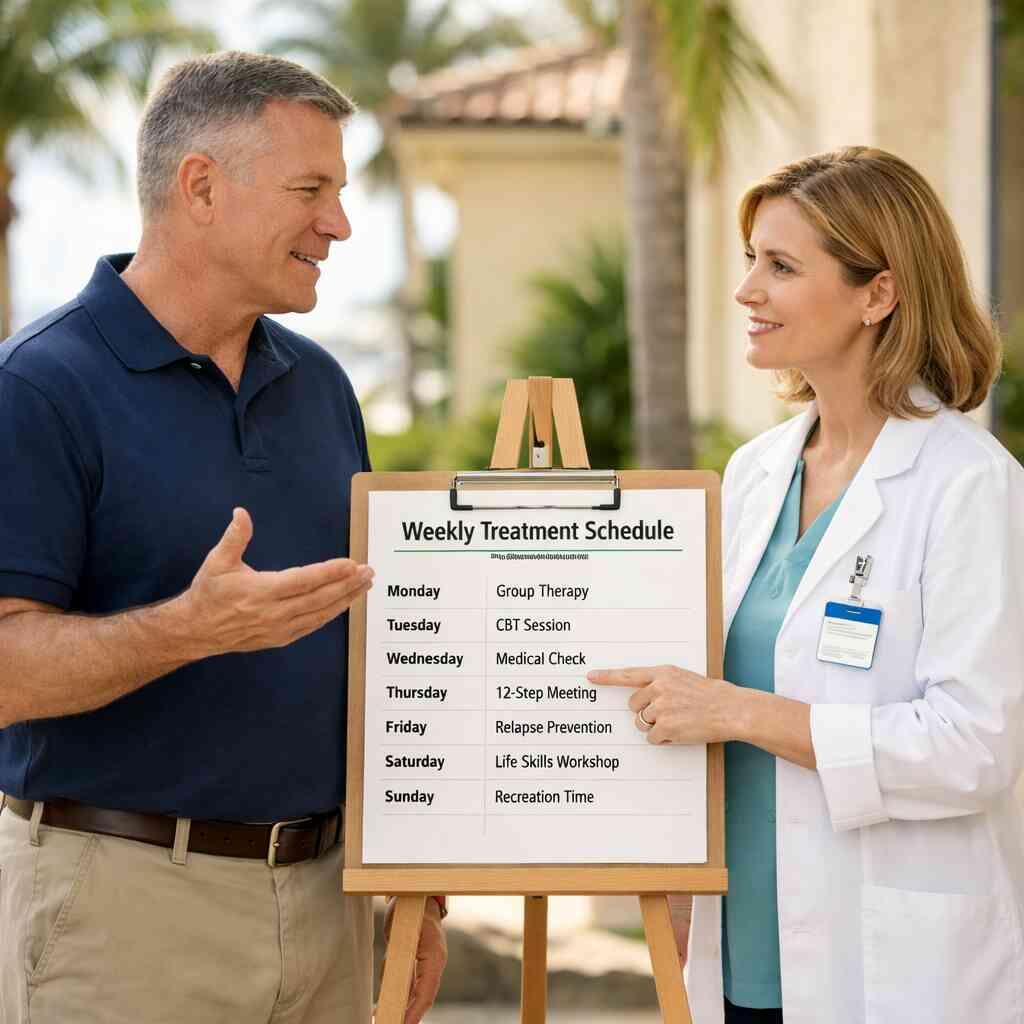
Family therapy can help repair trust without forcing fake closeness. Case management can handle work notes, referrals, and follow-up appointments. Aftercare planning should begin before discharge, not after a crisis. That plan may include sober living resources, 12-step alternatives, SMART Recovery, and transportation ideas. It should also name who to call when cravings spike on a hard night.
Here is what almost no online guide mentions: the quiet middle phase matters most. The withdrawal has eased. The adrenaline has dropped. That is when people can feel oddly exposed. In that phase, family therapy and recovery support for opioid use disorder can keep small problems from becoming a relapse.
When sober living resources, alumni support, and continued dual diagnosis treatment matter more than stepping down too soon
Some people leave structured care too early because they feel better for a week. That can be risky. Sober living resources, alumni support, and continued dual diagnosis treatment often matter most when life gets quiet again. A person may not need inpatient care forever, but they may still need accountability. That is normal.
RECO Island’s approach to continuing support should be viewed through the lens of best practice. Ongoing care, peer connection, and relapse prevention are not extras. They are the bridge between treatment and daily life. If you are comparing next steps, aftercare planning for relapse prevention in opioid recovery can help you see what should happen after discharge.
How to compare Florida rehabs that take insurance without getting lost in marketing language
Marketing can blur real differences fast. Focus on clinical facts instead. Ask whether the program offers dual diagnosis treatment, trauma-informed care, MAT, and evidence-based therapy. Ask whether licensed clinicians are involved in daily care. Ask whether the program is DCF licensed, and whether Joint Commission accreditation applies. If those answers are vague, keep looking.
You can also compare Florida rehabs that take insurance by asking what happens after the intake call. Do they verify benefits quickly? Do they explain out-of-network benefits in plain English? Do they tell you what PHP, IOP, and residential levels actually mean for your schedule? A clear admissions process for private rehab in Delray Beach should feel organized, not rushed.
What to ask during an admissions process at a South Florida detox or opioid rehab Delray center before you commit
Ask direct questions. Good programs expect them. Start with medication options, mental health support, and the daily schedule. Then ask how they handle benzodiazepine withdrawal, fentanyl treatment, and prescription pill addiction. If you need trauma therapy South Florida support, ask how that is coordinated with MAT. If you are a parent, ask about family weekend and communication rules.
Use this short checklist:
- What medications do you use for opioid withdrawal management?
- How do you handle co-occurring disorders and depression and addiction?
- What therapies do you offer: CBT, DBT, EMDR, group therapy activities, or family therapy?
- How do you support aftercare planning and alumni support?
- What insurance plans do you verify, including Aetna, Cigna, and Blue Cross Blue Shield?
If you want a deeper look at early stabilization, our medical detox process page can help you understand what happens next. Then call, ask the hard questions, and let the answers guide you.
Frequently Asked Questions
Question: When to Choose Medication Assisted Treatment for Opioid Rehab is it the right option if detox alone has not stopped cravings in Delray Beach rehab?
Answer: Yes, medication-assisted treatment can be the right next step when South Florida detox has helped with withdrawal but cravings, sleep problems, or relapse risk are still high. In opioid rehab Delray, a careful assessment looks at your use history, fentanyl treatment needs, heroin recovery patterns, prescription pill addiction, mental health, and home environment before recommending a plan. At RECO Island, the goal is not to force a one-size-fits-all approach. Instead, the team can help determine whether buprenorphine treatment, Suboxone maintenance, Vivitrol injections, or methadone treatment may better support opioid withdrawal management and relapse prevention for opioid use disorder. The focus is always on evidence-based addiction treatment, safety, and long-term recovery support.
Question: What is the difference between PHP vs IOP, and how do I know whether I need inpatient rehab Palm Beach County or an outpatient program Delray Beach?
Answer: PHP vs IOP comes down to structure, time, and clinical need. A partial hospitalization program usually offers more hours of treatment each week and is helpful when symptoms, cravings, or co-occurring disorders are still intense. An intensive outpatient program gives strong support with more flexibility, which can work well once you are more stable. If you need a residential treatment facility or inpatient rehab Palm Beach County level of care, that often means you need more protection from triggers, unsafe stress, or repeated relapse. RECO Island can help you compare these levels of care during the intake process so the plan fits your real life, not just your schedule. If you are looking for a private rehab in South Florida with a compassionate approach, the right level of care can make a major difference in long-term recovery.
Question: How does RECO Island support dual diagnosis treatment for depression and addiction, PTSD treatment, anxiety treatment, or bipolar disorder therapy alongside medication-assisted treatment?
Answer: Dual diagnosis treatment is important when opioid use and mental health concerns show up together. Depression and addiction, PTSD treatment needs, anxiety treatment, and bipolar disorder therapy can all affect cravings, relapse risk, and recovery planning. RECO Island takes a co-occurring disorders approach so the care plan can include integrated mental health treatment, medication-assisted treatment, counseling, and relapse prevention for opioid use disorder. That may involve CBT for addiction, DBT skills for recovery, EMDR trauma therapy, group therapy activities, family therapy, or other evidence-based treatment recommendations based on your needs. When mental health symptoms are treated at the same time as opioid use disorder treatment, people often have a better chance to build coping skills, stabilize, and stay engaged in care.
Question: What should I ask during the admissions process if I am comparing Florida rehabs that take insurance and want to understand insurance verification for rehab, out-of-network benefits, and self-pay options?
Answer: A good admissions conversation should be clear and straightforward. Ask whether the program accepts your insurance, how insurance verification for rehab works, and whether your plan includes in-network or out-of-network benefits. If you are comparing Florida rehabs that take insurance, it is also wise to ask about self-pay options, deductible expectations, and whether coverage differs for PHP, IOP, or residential treatment facility care. RECO Island can help you understand these details before you commit so you are not surprised later. This matters for families seeking drug rehab near me, alcoholism treatment center options, or opioid detox support, because timely access to care is often just as important as the treatment itself. A clear admissions process can reduce stress and help you move forward with confidence.
Question: Does RECO Island include aftercare planning, sober living resources, family therapy, and long-term recovery support after the first phase of treatment?
Answer: Aftercare planning is a critical part of recovery, especially after South Florida detox or early stabilization in an outpatient program Delray Beach. A strong plan may include sober living resources, family therapy, case management, life skills training, vocational support, nutritional counseling, and continued relapse prevention support. Depending on your needs, your aftercare may also include 12-step alternatives, SMART Recovery, alumni program connection, or ongoing dual diagnosis treatment. At RECO Island, the point is to help you move beyond crisis care and into a structure that supports long-term recovery. Recovery is often more stable when medication-assisted treatment, therapy, coping skills, and supportive community all work together over time.
“This my first time ever going into any type of treatment or detox treatment program. I’m so thankful and so very grateful for all of the therapists, Tech’s, nurse and everyone that works there to help Reco Island Detox and all. Other services that they offer runs efficiently Reco will forever be my extended family. I am so proud and greatful to be an Reco Alumni. 🫶🏾🫶🏾🫶🏾🤗🤗”– Tara B., a 5 star review from RECO Island on Google Business Reviews