
The Difference Between Suboxone Maintenance and Vivitrol
If you are reading this because detox feels scary, confusing, or both, that reaction makes sense. Choosing a medication after opioid use is rarely simple when sleep is limited and cravings are intense. Many people in Delray Beach ask the same question: Do I need Suboxone maintenance or Vivitrol injections? The answer depends on where […]

If you are reading this because detox feels scary, confusing, or both, that reaction makes sense. Choosing a medication after opioid use is rarely simple when sleep is limited and cravings are intense. Many people in Delray Beach ask the same question: Do I need Suboxone maintenance or Vivitrol injections? The answer depends on where your body is, what substances were involved, and what support you have at home.
When does a person need cravings control more than a detox bed
Detox helps the body clear opioids and settle withdrawal. But for many people, the harder problem starts after the sweating, nausea, and body aches ease. That is when cravings can surge, especially if you are facing opioid use disorder treatment needs, unstable housing, or a stressful return to work. In South Florida detox planning, the safest approach accounts for overdose risk, relapse prevention, and the reality of life outside the treatment setting.
Why the Suboxone maintenance conversation often starts after withdrawal feels manageable
Suboxone maintenance often enters the conversation when withdrawal is no longer the biggest threat. Suboxone combines buprenorphine and naloxone, which can reduce withdrawal symptoms and help keep cravings lower. That matters when you are trying to stay functional, keep a job, or protect family stability while you recover. Many families hear this after a detox bed is no longer enough on its own.
One client from Palm Beach County described it plainly: the physical sickness had passed, but the mental pull had not. That is common. In that phase, buprenorphine treatment can provide enough stability for recovery work to continue. For some people, that stability makes therapy, meetings, and daily structure possible again.
When Vivitrol becomes a better fit for someone who wants an opioid blocker medication without daily dosing
Vivitrol is a brand name for extended-release naltrexone. It works as an opioid blocker medication, so opioids do not activate receptors in the same way. That makes it appealing for people who want a non-daily option and prefer not to take a medication every day. Still, it only helps if the person is fully detoxed first.
That requirement changes everything. If opioids are still in the body, Vivitrol can trigger sudden withdrawal. For that reason, naltrexone treatment usually fits later in the process, after detox and stabilization. In practice, it is often discussed with people who want medication-assisted recovery but do not want daily dosing.
How fentanyl treatment, heroin recovery, and prescription pill addiction change the medication choice
The substance involved matters. Fentanyl treatment often requires more caution because fentanyl can stay in the system unpredictably and can drive intense cravings. Heroin recovery may involve a different pattern of withdrawal, but relapse danger can still be high. Prescription pill addiction can look less chaotic from the outside, yet it still creates powerful dependence and fear of withdrawal.
Here is the part most people miss: the same medication is not right for every opioid history. Fentanyl, heroin, and prescription pill addiction each raise different risks around timing, detox, and relapse. If you want a deeper look at that decision path, a guide to Vivitrol injections and Suboxone maintenance explains the clinical tradeoffs in more detail. The best choice usually follows your actual pattern of use, not a generic rule.
Why South Florida detox planning must account for overdose risk, relapse prevention, and home support in Delray Beach
South Florida detox is not just about getting through withdrawal. It is also about what happens when you walk out the door. If you return to the same triggers, the same people, or the same pills, the risk can rise fast. That is why a Delray Beach rehab should think ahead about home support, transportation, and who will notice if cravings spike.
On the projects we’ve completed this year, the biggest mistake we see is treating detox like a complete solution. It rarely is. A better plan includes overdose education, naloxone access when appropriate, and a realistic discussion of whether your home setting can support early recovery. If that part feels messy, it usually means you need more structure, not more shame.
The clinical fork in the road that separates Suboxone maintenance from Vivitrol
This decision is medical, but it is also practical. Suboxone and Vivitrol both aim to support opioid recovery, yet they work in opposite ways. One eases withdrawal and cravings. The other blocks opioid effects after a full detox. That difference matters when you are choosing between a residential treatment facility, a partial hospitalization program, or an outpatient program Delray Beach families can sustain.
How buprenorphine and naloxone calm withdrawal while still supporting long-term recovery planning
Buprenorphine is a partial opioid agonist. That means it attaches to the same receptors, but more gently than full opioids. Naloxone is included to lower misuse risk. Together, they can ease withdrawal symptoms and help people stay steady enough to work on real recovery skills. That is why Suboxone maintenance often becomes part of long-term recovery planning.
This is not about replacing one habit with another. It is about lowering chaos so recovery can breathe. The evidence base supports medication-assisted treatment for opioid addiction when it is paired with counseling and recovery support. MAT for opioid addiction is strongest when it includes therapy, structure, and follow-up.
What naltrexone treatment does in the body and why Vivitrol injections require full detox first
Naltrexone treatment blocks opioid receptors. Because of that, opioids cannot produce the usual high. That can help some people feel safer, especially those who want an opioid blocker medication without daily dosing. Yet this only works after the body is free of opioids.
That is where the timing becomes tricky. Vivitrol injections are not a detox tool. They are a maintenance tool after detox and stabilization. If you are still using opioids, even occasionally, the medication can make you feel much worse. For many people, detox and stabilization for opioid use disorder treatment is the necessary bridge before Vivitrol even becomes an option.
Why medication-assisted treatment for opioid addiction is not one-size-fits-all in dual diagnosis treatment
Medication-assisted treatment for opioid addiction works best when it matches the person, not just the diagnosis. If you also live with depression, panic, PTSD, or bipolar disorder, the plan changes. That is because untreated mental health symptoms can drive relapse. This is why dual diagnosis treatment matters so much.
At RECO Island, the question is rarely only “Which medication?” It is also “What else is happening?” A person with co-occurring disorders may need medication, therapy, structure, and case management together. For a broader view of that approach, why dual diagnosis treatment matters at RECO Island can help frame the next step. That broader view reflects the model used across evidence-based treatment.
Where trauma therapy South Florida, CBT, DBT, and EMDR fit when opioid use and mental health collide
Trauma often sits under opioid use. Sometimes it sits very close to it. Trauma therapy in South Florida programs often use cognitive behavioral therapy, dialectical behavior therapy, and EMDR because those methods target the thoughts, emotions, and body responses that keep addiction alive. If the nervous system stays on alert, cravings often get louder.
A woman in early recovery once said her anxiety felt like “a siren in the chest.” That is the kind of language clinicians listen for. CBT can help challenge distorted thoughts. DBT can help with distress tolerance. EMDR can help process painful memories. If you want to see how those methods connect, How RECO Island Uses EMDR and CBT for Trauma Therapy gives a useful overview.
How PHP, intensive outpatient, and mental health IOP can support medication-based recovery after stabilization
After detox, the level of care matters. A partial hospitalization program offers more structure than intensive outpatient. Intensive outpatient usually allows more flexibility while still providing strong support. Mental health IOP becomes especially important when anxiety, depression, or trauma symptoms still affect daily function. That structure can keep medication-based recovery from becoming isolated.
Many people ask about what is PHP vs IOP at RECO Island in Delray Beach 2026 because the difference affects work, childcare, and transportation. The right fit depends on how stable you feel and how much support you have outside treatment. In a coastal city like Delray Beach, that practical fit matters more than people expect. Recovery works better when the schedule fits real life.
What a safer decision looks like after the medication question is answered
Once you understand the difference between Suboxone maintenance and Vivitrol, the next question becomes simpler. What setting can actually support the plan? For some people, that means private rehab. For others, it means outpatient care with strong follow-up. Either way, the goal is the same: steady recovery with fewer surprises. 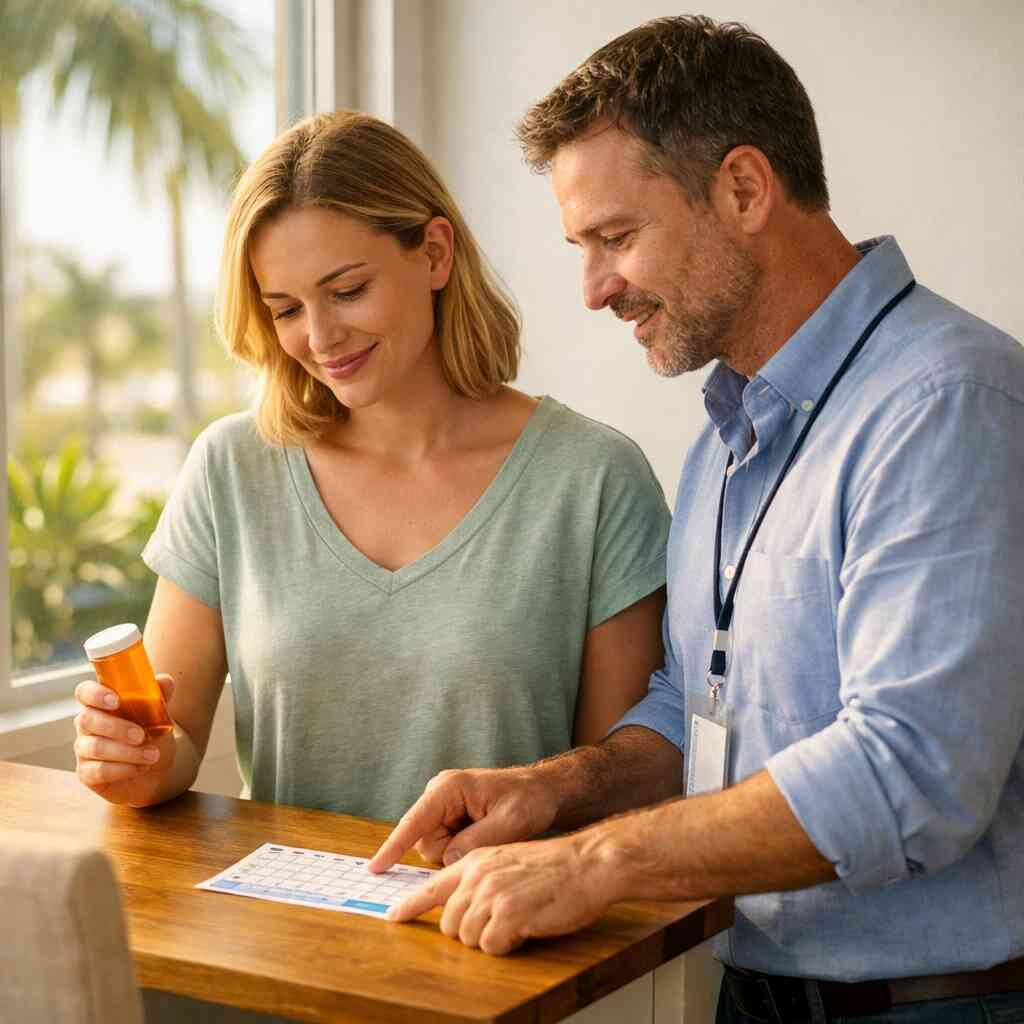
How to choose a rehab or outpatient program Delray Beach when insurance, privacy, and schedule matter
How to choose a rehab is partly about medicine and partly about logistics. You may need help with insurance verification, privacy, or work scheduling. Some people need a residential treatment facility. Others can do a partial hospitalization program or an intensive outpatient program and keep part of their routine intact. The right answer depends on your risks, not your pride. If cost is a concern, ask directly about Aetna, Cigna, Blue Cross Blue Shield, out-of-network benefits, and self-pay options. If you are looking for how to choose a rehab in South Florida in 2026, make sure the program explains the level of care in plain language. You should know what you are paying for before admission. That clarity reduces fear fast. ### What an intake process should cover from insurance verification to co-occurring disorders and aftercare planning
A strong intake process should not rush past the hard questions. It should review signs of addiction, past withdrawals, overdose history, mental health symptoms, and other substance use. It should also assess co-occurring disorders, trauma history, and family support. If a program skips those topics, the plan may not hold.
Good intake also covers aftercare planning early. That means sober living resources, relapse prevention, case management, and long-term recovery planning. A careful program will also explain licensing and oversight clearly. In Florida, you can ask about DCF licensing and other quality markers without sounding difficult. You are not being difficult. You are being careful.
How sober living resources, family therapy, SMART Recovery, and 12-step alternatives support maintenance
Medication helps, but support keeps people moving. Sober living resources can add structure during the fragile middle stage after detox. Family therapy can help repair trust and set healthy boundaries. SMART Recovery and 12-step alternatives both offer peer support, and the better fit depends on the person, not the label.
If your family feels burned out, that is normal too. They have carried fear for a long time. Aftercare planning for long-term recovery and recovery support should include family rhythm, meeting options, and realistic communication plans. Recovery stabilizes faster when the home system stops reacting to every setback like a disaster.
Why relapse prevention, coping skills, case management, and life skills training matter more than the label on the medication
The medication label matters, but it is not the whole story. Relapse prevention depends on coping skills, stress management, and a plan for triggers. Case management helps with appointments, transportation, and outside resources. Life skills training matters because recovery has to survive ordinary days, not just treatment days.
Here is a short checklist that usually helps:
- Know your medication timing and follow-up plan.
- Keep therapy appointments, even when you feel better.
- Build a list of three people you can call.
- Practice one coping skill before cravings peak.
- Set housing, work, and sleep routines early.
A 2023 analysis in JAMA Network Open found that staying engaged in treatment improved outcomes across multiple recovery pathways. That is why labels matter less than continuity. Suboxone maintenance and Vivitrol both work best when they sit inside a larger recovery structure.
When to ask about RECO Island location, coastal healing environment, alumni program, and continuing recovery support in Palm Beach County
If you are comparing Delray Beach rehab options, ask what ongoing support looks like after discharge. Ask about alumni program access, continuing care, and whether the setting feels calm enough for hard work. RECO Island’s location at 140 NE 4th Avenue Delray Beach FL 33483 places it near the heart of the local recovery community and the quieter side of the coastal environment. That setting can matter more than people realize.
You may also want to ask about insurance verification for private rehab at RECO Island before you decide. If you are looking for RECO Island intensive recovery support in Delray Beach, the key is not speed. The key is fit. Start by asking one direct question today: Which medication plan and level of care will help me stay safe after detox?
Frequently Asked Questions
How long does detox last at a Delray Beach rehab?
Detox length depends on the substance, how much was used, and your health history. Opioids often stabilize sooner than alcohol or benzodiazepines, but fentanyl can complicate timing. A medical team should check withdrawal symptoms, sleep, hydration, and safety before discharge. The honest answer is that detox lasts long enough to make the next step safer, not just shorter.
What is the difference between PHP and IOP?
PHP, or partial hospitalization program, gives you more hours of treatment and structure. IOP, or intensive outpatient, offers fewer hours and more flexibility. PHP often fits people who still need close monitoring. IOP fits people who are more stable but still need regular support. The right choice depends on cravings, home stability, and mental health symptoms.
Can I use Vivitrol if I still have opioids in my system?
No. Vivitrol requires full detox first. If opioids remain in your system, naltrexone can trigger sudden withdrawal. That is why clinicians usually confirm abstinence and medical readiness before the first injection. If you are unsure, be honest about recent use. That honesty protects you from a painful setback.
Is Suboxone the same as replacing one addiction with another?
No. Suboxone is a medication used in opioid recovery support. It helps reduce withdrawal and cravings while giving the brain a more stable baseline. It is prescribed and monitored within treatment. The goal is not intoxication. The goal is safer functioning, fewer cravings, and better access to therapy and daily life.
Does family therapy help with opioid recovery?
Yes, often very much. Family therapy can repair communication, reduce blame, and set practical boundaries. It also helps loved ones understand relapse risk and medication decisions. Families often carry fear and confusion for months or years. Good family work gives them tools instead of panic.
What if I need help for depression but not addiction?
You can still ask for support. Depression, anxiety, PTSD, and bipolar disorder can exist without active substance use. Mental health IOP, therapy, and case management may help if substance use is not the main issue. If opioid use is part of the picture, dual diagnosis treatment may be a better fit. A careful intake should sort that out without judgment.
Does RECO Island take insurance?
Coverage depends on your plan and benefits. The fastest way to find out is insurance verification before admission. Ask about in-network and out-of-network options, plus any self-pay alternatives. That conversation should be clear, respectful, and free of pressure.