What Are SMART Recovery Options Near Delray Beach
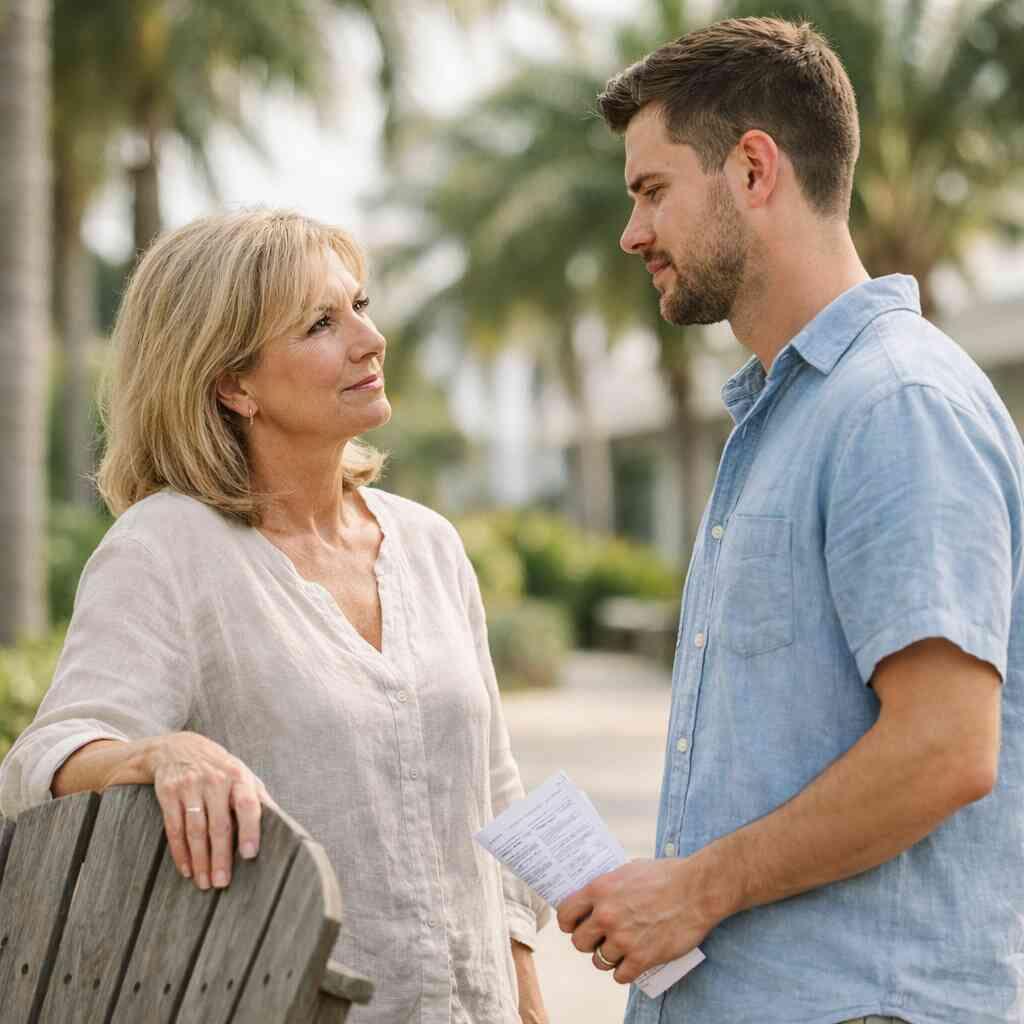
When SMART Recovery feels like the safer choice than another 12-step meeting If you are searching at night, you may be tired of feeling judged. That feeling is real. Some people walk into a room and leave more ashamed than supported. In Delray Beach, that is often the moment they start looking for SMART Recovery […]

When SMART Recovery feels like the safer choice than another 12-step meeting
If you are searching at night, you may be tired of feeling judged. That feeling is real. Some people walk into a room and leave more ashamed than supported. In Delray Beach, that is often the moment they start looking for SMART Recovery near Delray Beach instead.
Why some people in Delray Beach want a nonjudgmental alternative after relapse or burnout
Relapse can make every meeting feel heavier. Burnout can do the same. Some people want structure without pressure to speak in ways that do not fit their beliefs. Others want tools that feel practical on a hard Tuesday, not just inspiring on a good day. That is why 12-step alternatives matter in a place like Delray Beach, where many people are rebuilding after alcohol or drug treatment.
We hear this from people who tried peer groups and felt stuck. The room may have been kind, yet the format still did not fit. One man from near Atlantic Avenue told our team he kept hearing, “try harder,” when what he needed was a plan for triggers after work. He wanted something more concrete. He wanted language for cravings, shame, and spiraling thoughts.
That is where SMART can feel safer. It uses self-management, not moral pressure. It helps you look at what is happening, what you can control, and what needs support. For many people, that simple shift lowers fear. It also pairs well with outpatient recovery support in Delray Beach when you need more than meetings alone.
How SMART Recovery fits alongside outpatient program Delray Beach and mental health IOP care
SMART Recovery does not replace treatment when symptoms are active. It can support treatment. If you are in an outpatient program in Delray Beach residents often choose after detox, SMART tools can help between sessions. The same is true for a mental health IOP, where daily life stress can still trigger alcohol, pill, or stimulant use.
The structure matters. SMART teaches coping skills in a way that supports therapy homework, relapse prevention, and daily decision-making. That is useful when you are juggling work, court dates, parenting, or sleep problems. It also helps if your cravings spike after a conflict. A clear tool is easier to use than vague advice.
Here is the part most families miss. A meeting can help, but a meeting alone may not address panic, grief, or trauma. If you need deeper care, mental health IOP in Delray Beach can sit beside SMART, not against it. That combination often feels less fragile. It gives you more than hope. It gives you a routine.
What a Delray Beach recovery community can offer when faith based or peer only groups do not fit
Delray Beach has a strong recovery culture. You can feel it near the beach, along Atlantic Avenue, and in the steady flow of people looking for help. Still, not every recovery path is spiritual. Not every person wants a peer-only format. Some need something more skills-based.
SMART Recovery gives you that option. It can fit people who prefer science-based tools. It can also fit people who still attend 12-step meetings but want another layer of support. The community piece matters too. A good recovery space should lower isolation, not increase it. That is especially important in South Florida, where people often look fine on the outside while struggling hard inside.
One young adult we once spoke with said she liked meetings but froze when asked to share personal history. She was not resistant. She was overwhelmed. SMART felt easier because it focused on thoughts, behaviors, and choices. That made it possible for her to stay engaged long enough for treatment to help.
Which people in South Florida often look for 12 step alternatives after alcohol or drug treatment
People often look for alternatives after a rough discharge. Others look after several false starts. Some never connected with a spiritual model. Others feel unsafe speaking in groups that lean heavily on identity or confession. That is normal.
In South Florida, common groups looking for alternatives include:
- People leaving an alcoholism treatment center who want practical relapse tools
- People in heroin recovery or opioid rehab Delray programs who need ongoing structure
- Professionals who cannot attend a meeting built around more public sharing
- Young adults who want facts, skills, and privacy
- People with trauma histories who do better with boundaries
SMART Recovery can also help people who search for drug rehab near me and then realize they need support after discharge, not just during detox. That is where follow-through matters. If you stop after the first crisis, the return of stress can feel brutal. Support has to match real life.
What SMART Recovery actually teaches and why the method keeps showing up in evidence based care
SMART Recovery keeps showing up because it speaks the language of behavior change. It is not built on shame. It is built on skills. That matters when you are tired, guarded, or uncertain. It also matters if you have tried a few things already and need a different frame.
The self management model behind SMART Recovery and how it supports coping skills for addiction recovery
SMART stands for Self-Management and Recovery Training. The name says a lot. It asks you to notice triggers, challenge unhelpful thoughts, and make a different choice before a craving turns into action. That approach lines up with what many clinicians already teach in treatment.
The model is practical. It often includes goal setting, urge management, and planning for high-risk moments. It can fit alcohol use, cocaine detox Florida concerns, prescription pill addiction, or fentanyl treatment follow-up. It can also support someone dealing with opioid use disorder support after formal care. The goal is not perfection. The goal is repetition.
A simple example helps. If Fridays trigger you, SMART asks what happens at 5 p.m., who you call, and what you do before the craving grows. That sounds basic, but basic is useful when your brain is stressed. Basic can save a day. Repeated days build momentum.
How cognitive behavioral therapy and dialectical behavior therapy connect to SMART tools without sounding clinical
SMART Recovery overlaps with cognitive behavioral therapy and dialectical behavior therapy in a way that feels natural. CBT helps you examine thoughts that fuel use. DBT adds distress tolerance, emotion regulation, and interpersonal skills. SMART borrows from that same practical spirit.
You do not need to know the clinical terms to use the tools. You just need to notice a thought like, “I already messed up, so why stop now?” Then you challenge it. That is CBT in plain language. Or you feel flooded after an argument and use a pause, a cold drink, or a call before making a choice. That is DBT-style regulation.
For people in trauma therapy South Florida programs, this overlap is useful. Trauma often creates fast reactions. SMART tools can slow the loop down. If you are also working through depression and addiction or anxiety treatment, those skills help you stay in the room with your own feelings longer.
Why mindfulness based recovery and relapse prevention skills matter when triggers hit in real life
Mindfulness sounds soft until you are staring at a craving. Then it becomes concrete. It helps you notice what is happening without obeying it. That pause can be the difference between a rough hour and a full relapse. It is one reason mindfulness-based recovery keeps showing up in evidence-based care.
Relapse prevention skills are not about acting perfect. They are about planning for the mess. A trigger can be a text, a smell, a paycheck, or loneliness after dinner. In the programs we have seen this year, the people who did best were not the ones with the least stress. They were the ones with the clearest plan.
Here is a quick list of common SMART-style tools:
- Delay the urge by ten minutes
- Challenge the thought behind the urge
- Replace the behavior with a specific action
- Reach out before isolation takes over
- Review what worked after the moment passed
That kind of structure is steady. It gives you something to do when your mind is loud. It also supports relapse prevention skills without making recovery sound fancy or fragile.
Where dual diagnosis treatment and co-occurring disorders support fit for depression and addiction or anxiety treatment
Many people who search for SMART Recovery also live with mental health symptoms. That is where dual diagnosis treatment matters. If depression, anxiety, bipolar disorder therapy, PTSD treatment, or trauma symptoms are active, addiction care should address both sides. The co-occurring disorder model exists for that reason.
SMART can help, but it should not be the only layer if symptoms are severe. A person with untreated panic may keep using to calm down. A person with depression may use because everything feels flat. A person with bipolar symptoms may need medication review and close monitoring. SMART gives support, but treatment should match the whole picture.
This is where co-occurring disorders support for anxiety and addiction becomes useful. It helps people talk about symptoms without choosing one problem over the other. That can feel like relief. It can also make treatment more honest. Honest treatment is usually better treatment.
The local map from meeting room to treatment plan in Delray Beach and nearby South Florida
Delray Beach recovery support works best when it feels connected. A meeting can be valuable, but it should also fit your level of care. If you are in PHP, IOP, or stepping down from residential treatment, the plan needs to make sense across the week. That is where local coordination matters.
How SMART Recovery can work alongside Florida addiction treatment in partial hospitalization program and intensive outpatient levels of care
SMART Recovery can support people in a partial hospitalization program or intensive outpatient level of care. Those programs usually involve therapy, groups, and skill work several days a week. SMART adds another layer of practice between sessions. That matters when you are still building stability.
A PHP often gives more structure than IOP. IOP gives more flexibility than PHP. If you are unsure about the difference, ask directly. A good team will explain it clearly. If you want a deeper comparison, our partial hospitalization support in South Florida resource can help frame the choice.
SMART is also useful during Florida addiction treatment for fentanyl treatment, heroin recovery, and alcohol recovery support. It can reinforce medication routines, coping plans, and sober scheduling. That is especially helpful when cravings hit after therapy ends for the day. Structure should not disappear at 5 p.m.
When outpatient support makes sense for people leaving inpatient rehab Palm Beach County or residential treatment facility care
Leaving inpatient rehab Palm Beach County can feel like stepping off a ledge. You may be relieved. You may also feel exposed. That is normal. The transition is often harder than people expect because the outside world comes back fast.
Outpatient support helps bridge that gap. It gives you contact, accountability, and practice while you return to real life. A residential treatment facility may protect early stability, but outpatient care helps you test the skills. That is where SMART, group therapy activities, family therapy, and case management can work together.
One client described it this way: the first week home felt too quiet. The fridge hummed. The phone buzzed. Old habits showed up fast. He used SMART worksheets, checked in with his counselor, and scheduled evening support before the urge grew. That routine did not solve everything, but it kept him moving.
How a coastal setting near Atlantic Avenue can support beachside recovery without pretending environment fixes everything
Delray Beach has a calm that helps people breathe again. The ocean air, the slower morning light, and the walkability near Atlantic Avenue can lower stress. That matters. A coastal setting can support beachside recovery by giving you more chances to reset. Even a short walk can break a spiral. Still, environment does not cure addiction. A pretty view will not stop a craving. It will not resolve grief, trauma, or insomnia. That is why the best programs combine setting with real treatment. If the mood is soft but the care is thin, the system fails you. What we have seen in 2026 specifically is that people do best when the setting supports the work instead of replacing it. A calm space can help you show up. Then therapy, medication, and recovery planning do the rest. That balance matters in a town where the scenery can look healing even when the person is hurting. 
What families should know about family therapy, case management, sober living resources, and aftercare planning
Families often want to help, but they do not always know how. That is where family therapy and case management become important. They create shared language. They also reduce the blame cycle that grows around addiction. When everyone has a plan, chaos drops.
Aftercare planning should start before discharge. It should cover meetings, transportation, medication, sleep, work, and relapse triggers. It may also include sober living resources near Delray Beach when home is not stable. That step is not a punishment. It is support.
If a family needs a clearer structure, aftercare planning for long-term recovery can be a helpful guide. Family weekend can also matter, especially when expectations have been strained for a long time. The point is not to force closeness. The point is to build safer patterns.
The next right move if you are comparing SMART Recovery Delray Beach options today
You do not need to sort every option tonight. You do need to ask the right questions. Insurance, clinical fit, and level of care all matter. A calm verification call can make the path clearer. It can also save you from guessing.
How to check insurance verification, private rehab options, self pay options, and out of network benefits before you call
Start with benefits. Ask what is covered, what is not, and what the deductible is. If a program is out of network, ask how claims are handled. If you are comparing private rehab options, ask about self pay options too. Surprises later are harder than honest numbers now.
A few key questions help:
- Is the facility in network with Aetna, Cigna, or Blue Cross Blue Shield?
- If not, what are the out-of-network benefits?
- What will the first week cost?
- Is detox billed separately?
- Are family services included?
If you need help sorting the math, insurance verification for rehab near Florida is worth reviewing before you call. That kind of preparation reduces stress. It also helps you compare programs on facts, not fear.
What to ask about licensed clinicians, Joint Commission accreditation, DCF licensed care, and evidence based treatment
Ask who delivers the care. Ask what licenses they hold. Ask whether the program is DCF licensed and whether it has Joint Commission accreditation. Those details matter because they help signal quality and accountability. They do not tell the whole story, but they are a good start.
Then ask about evidence-based treatment. That phrase should mean something concrete, not marketing language. It should mean CBT, DBT, EMDR, medication support when needed, and clear case management. It should also mean the program can explain why a service fits your situation. Good teams do not hide behind slogans.
If you want a deeper look at standards, licensed rehab with accreditation and quality care can help you know what to ask. The right center should welcome those questions. If a place rushes you, that is useful information too.
How RECO Island may fit if you need trauma therapy South Florida, medication assisted treatment, or long term recovery support
RECO Island may fit if you need support that goes beyond meetings. Our team understands that trauma, substance use, and mental health often overlap. If you need trauma-informed recovery support in South Florida, or if medication-assisted treatment is part of your plan, that matters. It also matters if you need long-term recovery support, not just a short stay.
Medication-assisted treatment can include FDA-approved options such as Suboxone maintenance or Vivitrol injections when clinically appropriate. Those medications are not magic. They are tools. They can reduce cravings and support stability while therapy does the deeper work. That is one reason many people appreciate a program that can coordinate care.
If you are comparing options, our evidence-based recovery support in Delray Beach page may help you see how that thinking translates into care. RECO Island is at 140 NE 4th Avenue Delray Beach FL 33483, close to the coastal rhythm many people find grounding. If you are looking for a place that takes both science and dignity seriously, that combination matters.
Why a calm verification call can clarify whether SMART Recovery meetings South Florida should stand alone or support a broader plan
A calm call can tell you a lot. It can clarify whether SMART Recovery meetings South Florida should be your main support or one part of a larger plan. It can also show whether the program understands your needs without making you repeat your story ten times. That matters more than people realize.
If you are dealing with opioid recovery support, prescription pill addiction, anxiety treatment, or depression and addiction, the plan should fit the diagnosis. If you are leaving detox, it should fit the transition. If you are a parent, a professional, or a young adult, it should fit your life. Recovery support should bend toward reality, not the other way around.
You do not have to figure this out alone, and you do not have to solve it all today. Start with one call, ask three honest questions, and see how the answer feels. If you want a place that can help you sort through SMART Recovery, outpatient care, and broader treatment options, RECO Island is ready to talk.
Frequently Asked Questions
Question: What are the best SMART Recovery near Delray Beach options if I want 12-step alternatives and evidence-based recovery support?
Answer: SMART Recovery can be a strong fit for people who want a practical, nonjudgmental approach to addiction recovery resources in Palm Beach County. It focuses on self-management, coping skills for addiction recovery, and relapse prevention skills rather than spiritual language, which is why many people use it as one of several 12-step alternatives. At RECO Island in Delray Beach, SMART-style thinking can complement outpatient program Delray Beach services, mental health IOP, and dual diagnosis treatment when you need support for co-occurring disorders, depression and addiction, or anxiety treatment. If you are comparing Florida addiction treatment options, our team can help you understand whether a skills-based approach, group therapy activities, family therapy, or a broader long-term recovery support plan is the best next step for you.
Question: How does What Are SMART Recovery Options Near Delray Beach fit with outpatient program Delray Beach and partial hospitalization program care?
Answer: SMART Recovery can fit very well alongside a partial hospitalization program or intensive outpatient support because it gives you structure between clinical sessions. Many people use it as part of aftercare planning when stepping down from a residential treatment facility or inpatient rehab Palm Beach County setting. At RECO Island, the goal is to support real-life recovery with evidence-based treatment, case management, life skills training, and aftercare support that keeps momentum going after the day program ends. If you are looking for South Florida recovery resources that respect your time, your privacy, and your needs, combining SMART Recovery with an outpatient program Delray Beach may help create a steadier routine for long-term recovery support.
Question: Can RECO Island help if I need dual diagnosis treatment, trauma therapy South Florida, or mental health IOP in addition to SMART Recovery meetings South Florida?
Answer: Yes, that is often where a stronger plan becomes important. SMART Recovery can be helpful, but it is usually most effective when paired with treatment that addresses the whole picture, including dual diagnosis, co-occurring disorders support, PTSD treatment, bipolar disorder therapy, or trauma-informed recovery. Many people searching for SMART Recovery meetings South Florida are also dealing with depression and addiction, anxiety treatment, or the effects of unresolved trauma. RECO Island can help you explore whether mental health IOP, cognitive behavioral therapy, dialectical behavior therapy, EMDR trauma therapy, medication-assisted treatment, or another level of care is a better fit. The right plan should feel coordinated, compassionate, and grounded in evidence-based recovery support.
Question: What should I know about South Florida detox, fentanyl treatment, heroin recovery, benzodiazepine withdrawal, or alcohol recovery support before looking for SMART Recovery Delray Beach meetings?
Answer: If withdrawal or active use is still part of the picture, detox and medical stabilization should come first. SMART Recovery is a helpful recovery support tool, but it is not a substitute for South Florida detox or medical care when someone is going through fentanyl treatment, heroin recovery, prescription pill addiction, benzodiazepine withdrawal, or alcohol recovery support. At RECO Island, we encourage people to look at the full clinical picture before choosing a path, especially when symptoms may require a higher level of care such as an alcoholism treatment center, partial hospitalization program, or intensive outpatient support. If medication-assisted treatment is appropriate, options like Suboxone maintenance or Vivitrol injections may also be discussed by licensed clinicians. The key is matching the level of care to the real needs of the moment.
Question: How do I know whether RECO Island is a good fit if I am comparing private rehab options, insurance verification, and how to choose a rehab near Delray Beach?
Answer: A good rehab should make the process clear, respectful, and easy to understand. When comparing private rehab options, ask about insurance verification, Aetna, Cigna, Blue Cross Blue Shield, out-of-network benefits, and self-pay options so you know what is covered before admission. You should also ask whether the facility is DCF licensed, whether it has Joint Commission accreditation, and how its treatment model supports recovery through licensed clinicians and evidence-based treatment. RECO Island, located at 140 NE 4th Avenue Delray Beach FL 33483, is designed to support people who want a grounded, compassionate approach to South Florida recovery. If you are searching for drug rehab near me, need help with aftercare planning, or want a place that understands beachside recovery without pretending the environment is the treatment, we can help you evaluate the right next step.
Question: Does RECO Island offer support for family therapy, sober living resources, alumni support, and long-term recovery after SMART Recovery near Delray Beach?
Answer: Yes, those supports can be an important part of long-term recovery. SMART Recovery may help with daily accountability, but many people also benefit from family therapy, family weekend, sober living resources, alumni support, and structured aftercare support. At RECO Island, recovery is viewed as more than getting through treatment; it is about building a life with stability, connection, and purpose. That is why case management, life skills training, and ongoing support matter so much after the first phase of care. If you are looking for a Delray Beach recovery community that respects both clinical structure and human dignity, RECO Island can help you build a plan that supports recovery well beyond the meeting room.
“RECO Island provided excellent medical detox care. The staff was compassionate, the facility was clean and comfortable, and I felt safe throughout the entire process. Highly recommend for anyone starting recovery.”– Romero M., a 5 star review from RECO Island on Google Business Reviews