
What Is Vivitrol and When Is It Used in Recovery
Vivitrol is a once-monthly naltrexone injection used after detox to help prevent relapse to opioids or alcohol. It works by blocking opioid receptors, so if you use opioids, you do not feel the usual effects. It can also reduce alcohol cravings for some people. If you are reading this while weighing detox, insurance, or a […]

Vivitrol is a once-monthly naltrexone injection used after detox to help prevent relapse to opioids or alcohol. It works by blocking opioid receptors, so if you use opioids, you do not feel the usual effects. It can also reduce alcohol cravings for some people.
If you are reading this while weighing detox, insurance, or a medication plan, that stress is real. I hear this question often from families in Delray Beach and across South Florida: what helps without making recovery feel more complicated?
Key Takeaways
- Vivitrol is extended-release naltrexone, a non-addictive recovery medication used after detox for opioid use disorder treatment and alcohol use disorder treatment.
- It must be started only after opioids are out of the body; otherwise, it can trigger sudden withdrawal.
- Vivitrol can help with cravings management in recovery, but it works best when paired with counseling, relapse prevention planning, and aftercare support.
- For fentanyl addiction, heroin recovery, and prescription pill addiction, clinicians often compare Vivitrol with Suboxone maintenance to decide which option is safer.
- If you also have dual diagnosis treatment needs, the medication plan should account for depression, anxiety, PTSD, or bipolar disorder as well as substance use.
Why a relapse prevention shot can matter more after detox than during the crisis
Vivitrol matters most after detox, when the body is medically cleared and the risk shifts from withdrawal to relapse. It is not a crisis medication. It is a recovery medication that can help stabilize the weeks and months after detox, when cravings, stress, and habit cues are still strong.
What Vivitrol is and how naltrexone for addiction works without opioids or alcohol in the body
Vivitrol is the brand name for extended-release naltrexone. Naltrexone for addiction blocks opioid receptors in the brain, which means opioids cannot produce the usual high. For alcohol use disorder treatment, it can reduce the reward effect alcohol has on the brain and help some people drink less or stay abstinent.
The key safety point is simple: you cannot have opioids in your system when you start it. If you do, Vivitrol can cause sudden, severe withdrawal. That is why it belongs in a careful detox-to-recovery transition, not in the middle of active use.
This is not about trying harder. It is a tool. In my experience, people do better when the medication is framed as one piece of evidence-based treatment, alongside therapy, support, and a realistic plan for the hard moments.
A client once told me, after a tough week of early recovery, that the shot gave them “room to think before the urge turned into action.” That is the kind of shift we look for. It does not remove every craving. It can make the gap between urge and action wide enough to use coping skills.
For readers comparing recovery supports, our team often points people toward education first, like our guide to MAT and how medication support works.
When extended release naltrexone fits after detox for opioid use disorder treatment or alcohol use disorder treatment
Extended-release naltrexone often fits best when a person has finished detox, wants non-addictive recovery support, and can stay engaged with follow-up care. It is commonly considered for people with opioid use disorder treatment or alcohol use disorder treatment who prefer an abstinence-based medication and can return monthly for injections.
It may also make sense when someone has already gone through withdrawal and wants help with relapse prevention planning. In South Florida, I often see it used with people who are stepping down from a residential program into an outpatient routine, especially when family support and structure are strong.
A simple comparison helps:
MedicationMain useKey benefitMain cautionVivitrolOpioid or alcohol relapse preventionNon-addictive, monthly shotMust be opioid-free firstSuboxoneOpioid use disorder treatmentHelps withdrawal and cravingsContains buprenorphine, so it is a different kind of MATCounseling aloneBehavioral supportStrong for insight and copingMay not be enough for high cravings or high relapse riskIf you are unsure about the detox side of care, our medical detox process explains how safe transition planning works before any relapse-prevention medication starts.
Why medication assisted treatment can support cravings management in recovery when counseling alone is not enough
Counseling is essential, but it does not always lower cravings on its own. That is where medication-assisted treatment can help. It adds a biological layer of support so you are not relying only on willpower when stress spikes, sleep is poor, or triggers show up unexpectedly. 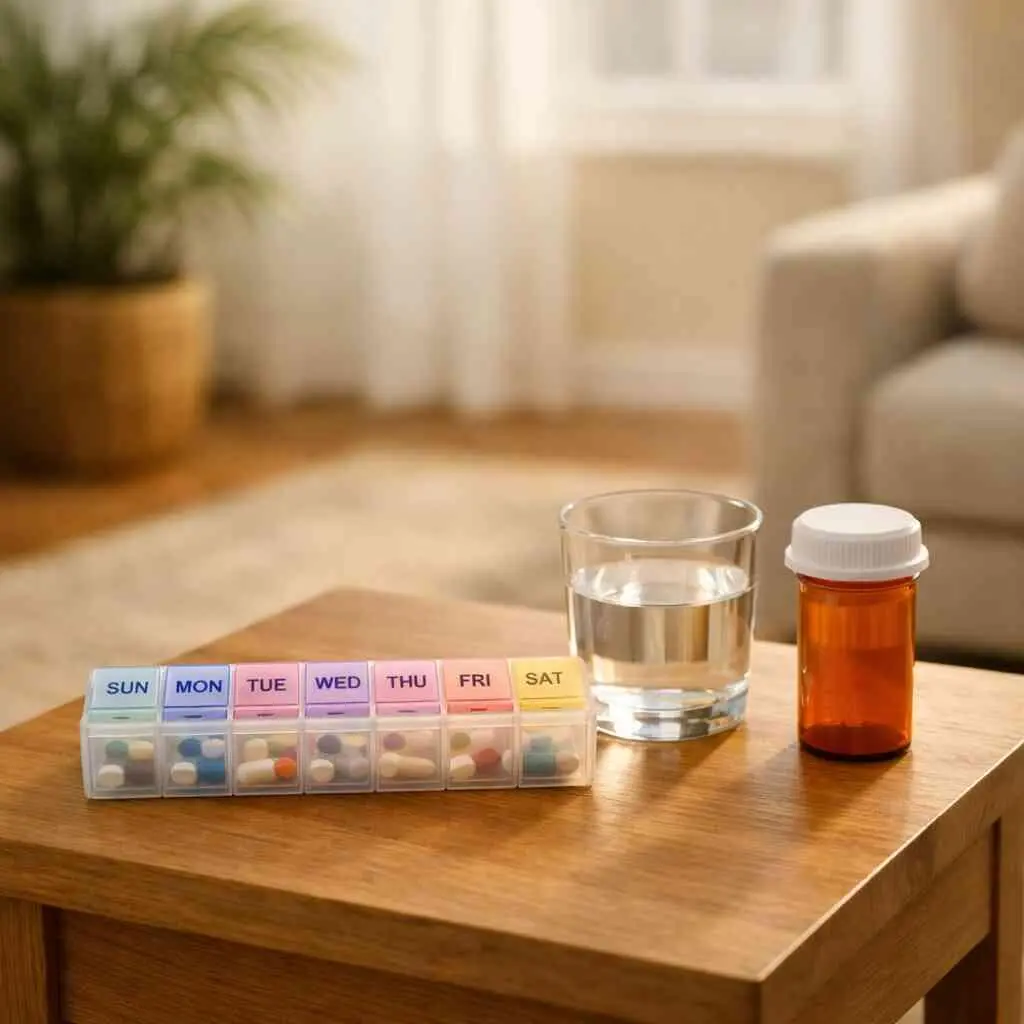
The strongest plans usually combine: – counseling and medication combined
- relapse prevention skills
- recovery maintenance medication when appropriate
- family support in recovery
- structured follow-up through outpatient addiction care
I often remind people that cravings are not a moral failure. They are a brain-and-body response. That is why cravings management in recovery can improve when the care plan includes both therapy and the right medication. For more on that balance, see how MAT supports recovery and when to choose medication-assisted care.
When Vivitrol makes sense and when another medication is the safer call
Vivitrol makes sense when a person is fully detoxed, wants non-opioid support, and can stick with monthly treatment. Another medication is the safer call when withdrawal is still active, opioid use is recent, or the person needs help easing off fentanyl, heroin, or prescription pain pills more gradually.
How clinicians weigh opioid relapse prevention against Suboxone maintenance for fentanyl addiction, heroin recovery, and prescription pill addiction
This choice is not about which medication is “better.” It is about which one fits the clinical picture. For fentanyl addiction, heroin recovery, and prescription pill addiction treatment, clinicians weigh recent use, withdrawal severity, overdose risk, and whether the person can safely start naltrexone.
If the person is still using opioids or is early in withdrawal, Suboxone maintenance may be the safer option because it can treat withdrawal and reduce cravings without requiring a full opioid-free period first. If the person is already detoxed and wants a fully opioid-blocking option, Vivitrol may fit better.
SituationSafer medication discussionRecent fentanyl useOften Suboxone first, because withdrawal can be intenseFully detoxed and abstinentVivitrol may be a strong optionHigh relapse risk after detoxEither may be considered, based on history and goalsWants non-addictive supportVivitrol is often discussedNeeds help with withdrawal nowSuboxone is usually the more practical choiceFor people looking for local care, this is where a good Delray Beach rehab or Florida addiction treatment team matters. The right plan depends on timing, not just diagnosis. Our medication management services and treatment programs can help coordinate that decision with medical oversight.
The evidence supports this careful matching. SAMHSA treatment guidance and major addiction medicine groups consistently stress that medication should match the stage of recovery and the substance involved. That is especially true in the current opioid crisis, where overdose risk can rise quickly after detox.
If you are trying to figure out the next step in Delray Beach or nearby Palm Beach County, I usually suggest asking one direct question: what keeps me safe between detox and the rest of recovery? For some people, the answer is Vivitrol. For others, it is a different MAT plan, a higher level of care, or a stronger outpatient structure such as RECO Intensive or a connected partial hospitalization program / intensive outpatient track.
If you need medically supervised detox and a clear transition into recovery, RECO Island is one strong option in Delray Beach. Our team can help you think through Vivitrol, other recovery medication options, and the support you may need after detox. Call +1 561-464-4077 to talk through what makes sense for your situation.
Frequently Asked Questions
Question: What is Vivitrol, and how does it fit into medication-assisted treatment for opioid addiction or alcohol dependence treatment?
Answer: Vivitrol is the brand name for extended-release naltrexone, a non-addictive recovery medication used after detox. It is often discussed as part of medication-assisted treatment when someone needs opioid relapse prevention or support for alcohol dependence treatment. Because it blocks opioid receptors, it can help reduce the effects of opioids and may also help lower alcohol cravings for some people. At RECO Island in Delray Beach, this type of recovery medication is considered within a broader evidence-based treatment plan that may include counseling and medication combined, relapse prevention planning, and aftercare support. The most important safety point is that a person must be fully opioid-free before starting Vivitrol, since taking it too soon can trigger sudden withdrawal. That is why a careful detox-to-recovery transition matters so much.
Question: How do you decide between Vivitrol injections and Suboxone maintenance for fentanyl addiction, heroin recovery, or prescription pill addiction treatment?
Answer: The choice depends on timing, substance use history, withdrawal status, and recovery goals. Vivitrol injections are usually considered after detox, when opioids are out of the body and the person wants non-addictive recovery support with monthly medication. Suboxone maintenance may be the safer option when someone still has active withdrawal, recent fentanyl use, or needs help stabilizing sooner. For fentanyl addiction, heroin recovery, and prescription pill addiction treatment, clinicians often weigh overdose risk reduction, cravings management in recovery, and whether the person can stay engaged with outpatient addiction care. At RECO Island, the goal is not to push one medication over another, but to support the safest, most realistic plan for long-term recovery support. That may include partial hospitalization program care, intensive outpatient program support, or a step-down plan that fits the person’s stage of recovery.
Question: Is the blog What Is Vivitrol and When Is It Used in Recovery relevant for someone in South Florida detox who is also dealing with dual diagnosis treatment needs?
Answer: Yes. This topic is especially relevant for someone leaving South Florida detox and trying to figure out what comes next. Vivitrol is not a crisis medication; it is a support after detox option that can help with recovery stabilization once the body is medically cleared. If a person is also managing depression and addiction, anxiety treatment, bipolar disorder therapy, PTSD treatment, or other co-occurring disorders, the medication plan should be coordinated with dual diagnosis treatment. At RECO Island, that kind of planning matters because recovery is not only about stopping substance use; it is also about building a stronger foundation for mental health, coping skills, and relapse prevention planning. For many people, the right next step may include outpatient addiction care, case management, family therapy, and trauma-informed care alongside recovery medication options.
Question: What should families look for in a Delray Beach rehab when choosing between medication-assisted recovery and counseling alone?
Answer: Families should look for a Delray Beach rehab that can match care to the person’s needs instead of offering a one-size-fits-all plan. Strong programs in Florida addiction treatment usually provide licensed clinicians, evidence-based treatment, and a clear intake process that addresses both substance use and mental health. In many cases, counseling alone is helpful, but not always enough when cravings, high-risk triggers, or opioid cravings remain strong. That is where medication-assisted treatment may provide meaningful support. A good program should also be able to discuss options like Vivitrol injections, Suboxone maintenance, partial hospitalization program care, intensive outpatient support, and aftercare planning. At RECO Island, the emphasis is on compassionate recovery planning that may include group therapy activities, CBT, DBT, EMDR trauma therapy, holistic recovery tools, and family support in recovery. If insurance is a concern, asking about insurance verification, Aetna, Cigna, Blue Cross Blue Shield, out-of-network benefits, and self-pay options can help families move forward with less stress.
Question: Does RECO Island help with aftercare support, sober living support, and relapse prevention planning after Vivitrol treatment?
Answer: RECO Island’s approach centers on what happens after the first step, because long-term recovery support is often built through consistent aftercare support and relapse prevention planning. While the best option depends on the individual, a strong recovery plan may include outpatient addiction care, sober living support, recovery maintenance medication, family therapy, and practical case management. For someone who has started Vivitrol injections, ongoing support can also include medication compliance support, cravings management in recovery, and regular check-ins that help protect sobriety during vulnerable moments. For many people, the transition works best when it includes structure such as intensive outpatient, a partial hospitalization program, or a connected residential treatment facility when needed. RECO Island also understands that recovery is broader than medication alone, which is why holistic recovery supports like mindfulness meditation, yoga therapy, art therapy, and life skills training can be valuable additions to a treatment plan. If you are comparing options in Palm Beach County treatment centers or looking for a drug rehab near me, asking about aftercare support is one of the best ways to judge whether a program is truly built for long-term recovery.