Why Families Choose RECO Island for Recovery Support
When a family realizes love alone is not enough There is a painful moment many families know well. You have tried patience, talks, rides, reminders, and second chances. Then the worry gets heavier, and you start searching for Delray Beach rehab and Florida addiction treatment because hope by itself no longer feels enough. That shift […]

When a family realizes love alone is not enough
There is a painful moment many families know well. You have tried patience, talks, rides, reminders, and second chances. Then the worry gets heavier, and you start searching for Delray Beach rehab and Florida addiction treatment because hope by itself no longer feels enough. That shift is not a failure. It is a sign that the situation deserves real care.
The signs that casual concern has turned into a real treatment need
Families usually notice small changes first. Missed work, missed classes, money problems, and secrets start stacking up. You may also see signs of addiction such as isolation, mood swings, lying about use, or needing more just to feel normal. If alcohol or drugs now control routines, safety, or trust, the concern has moved beyond casual.
A family in Boca Raton once described it this way: “We kept saying it was just stress.” Then the missed days became the rule, not the exception. The turning point came when withdrawal symptoms made simple mornings feel impossible. That is often when people start asking about how long detox lasts and what level of care actually fits.
Why Delray Beach families start comparing detox, PHP, and IOP instead of hoping it passes
The question is rarely, “Should we care?” The real question is, “What care makes sense now?” Many people compare South Florida detox, partial hospitalization program, and intensive outpatient because each level serves a different need. A residential treatment facility offers more structure. An outpatient program Delray Beach can work when safety and stability are already in place.
Here is the part most families miss. Detox is not treatment by itself. It is the medical start for some people, especially with cocaine detox Florida, opioid rehab Delray, fentanyl treatment, heroin recovery, prescription pill addiction, or benzodiazepine withdrawal. If the body is dependent, the right setting matters before anything else.
What families in South Florida usually worry about first: judgment, money, and safety
Those three worries come up almost every time. Families worry the person will be judged. They worry the cost will be impossible. They worry the first call will lead to confusion, pressure, or a rushed choice. That fear is understandable, especially when someone is searching for a drug rehab near me during a crisis.
What helps most is clear information. Families deserve straight answers about insurance verification, self-pay options, and out-of-network benefits. They also deserve a calm, confidential process. A good program should lower stress, not add to it.
What makes a recovery setting feel safe before the first call is even made
Safety starts before treatment begins. It starts with how the center speaks, how it answers, and how it explains the next step. In Delray Beach, a coastal healing environment can lower tension without pretending recovery is easy. The ocean air, the quiet streets off Atlantic Avenue, and the slower pace near the beach can make difficult conversations feel less sharp.
How a coastal healing environment in Delray Beach can lower tension without pretending treatment is easy
A peaceful setting does not cure addiction. Still, it matters more than many people think. Families under stress often need fewer triggers, less noise, and a setting that feels steady. In South Florida recovery, that can mean a place close to the coast, away from chaos, where people can focus on treatment.
Over the course of the past year, we have seen one pattern again and again. Families respond better when the environment feels human — not glossy, not performative. Human. That matters when you are trying to decide between private rehab options or comparing beachside recovery settings around Palm Beach County.
Why licensed clinicians, confidentiality, and clear intake steps matter more than polished marketing
Pretty websites do not guide treatment. People do. Families should ask about licensed clinicians, privacy practices, and the actual intake process. They should also ask whether the program follows SAMHSA guidelines and holds the right state oversight, such as DCF licensed status, if applicable. Verification builds trust.
A family near West Palm Beach once told us they felt relieved only after the intake questions were explained in plain language. They had spent days comparing RECO Intensive reviews and other options online, but the real comfort came from clarity. They wanted to know who would answer the phone, what forms would be needed, and how quickly care could start. That kind of clarity matters more than polished words.
“My experience at Reco Island Detox Center was outstanding. The clinical program was comprehensive and tailored to individual needs, ensuring a holistic approach to recovery. Every aspect of the treatment was carefully designed to support healing and growth. What truly stood out, however, was the compassionate staff. They were not only professional and knowledgeable but also genuinely caring and supportive, making the entire journey feel safe and comfortable. Reco Island Detox Center truly provides a nurturing and effective environment for recovery. ❤️”- Jessica H., a 5 star review from RECO Island on Google Business Reviews
How insurance verification, self-pay options, and out-of-network benefits change the decision
Money often decides timing. A family may want care now, but they need to know what insurance will cover. That is why insurance verification for Florida rehab and coverage options are so important. If a plan includes Aetna, Cigna, or Blue Cross Blue Shield, benefits still need review because coverage rules vary.
It also helps to ask about out-of-network benefits and self-pay options early. That keeps the conversation practical. If you are comparing Florida rehabs that take insurance, ask for a simple explanation of what is covered, what is not, and what happens if your plan changes. That is a fair question, not a difficult one.
The treatment map families wish they had sooner
Families often say they wish someone had explained the levels of care in plain terms sooner. That confusion is common. Detox, residential care, PHP, and IOP are not interchangeable. They serve different needs at different stages of recovery, and the right match can reduce risk.
When South Florida detox or medical detox may be the right starting point
Detox is usually the place to start when withdrawal could be dangerous or unbearable. That includes alcohol, opioids, fentanyl, benzodiazepines, and some stimulant patterns. A medically supervised setting can monitor vital signs, ease symptoms, and lower immediate risk. If you are asking about South Florida detox and medical withdrawal support, that is the reason many families begin there.
In some cases, medication support may be part of care. Medication-assisted treatment can include FDA-approved options such as Vivitrol injections or Suboxone maintenance, depending on the person’s needs and clinical plan. This does not replace therapy. It supports stability so treatment can begin with more focus.
What changes in a residential treatment facility, partial hospitalization program, and intensive outpatient program
These programs differ in structure and intensity. A residential treatment facility offers the most support, with 24-hour supervision and a highly structured day. A partial hospitalization program provides intensive treatment during the day while allowing more independence. An intensive outpatient program gives treatment several days a week, often alongside work, school, or family duties. 
Level of careBest fitMain benefitResidential treatment facilityHigh risk, unstable home setting, or severe symptomsStrong structure and supportPartial hospitalization programNeeds a lot of care but not overnight supportIntensive therapy with more flexibilityIntensive outpatient programMore stable, needs ongoing supportHelps maintain progress while living at homeFamilies in Palm Beach County treatment centers often ask, “What is PHP vs IOP?” That is the right question. The answer depends on safety, withdrawal risk, mental health symptoms, and how much support the home environment can provide. For some people, an inpatient rehab Palm Beach County setting is the safer start. For others, an outpatient program Delray Beach is enough once the crisis settles.
Why dual diagnosis treatment and co-occurring disorders need the same level of attention as substance use
Many families are shocked to learn that substance use is often tied to anxiety, depression, trauma, or bipolar symptoms. Dual diagnosis treatment addresses both substance use and mental health at the same time. That matters because untreated depression or panic can drive relapse. NIDA and SAMHSA both emphasize integrated care for co-occurring disorders.
A young adult from Fort Lauderdale once came in with drinking, panic, and sleeplessness. The family thought the drinking was the whole story. It was not. Once the team addressed anxiety treatment, depression and addiction, and PTSD treatment together, the treatment plan made more sense. That is why mental health IOP can be so important.
Why families keep choosing a center that treats the whole picture, not just the crisis
Families do not want a short burst of help and then silence. They want a plan that reaches the person, the home, and the future. That is where good treatment stands out. It does not stop at the crisis. It keeps going through skill-building, family contact, and follow-up.
How evidence-based treatment like CBT, DBT, EMDR trauma therapy, and group therapy activities support real change
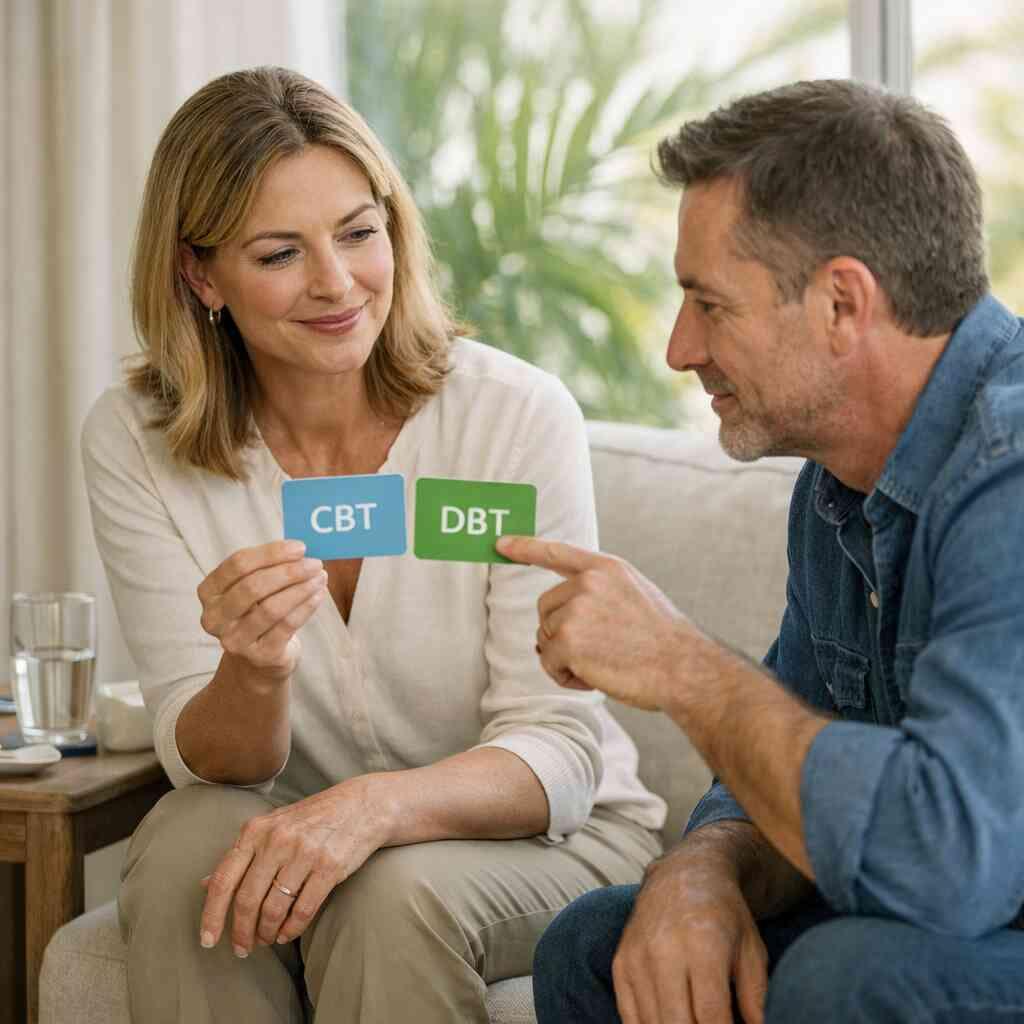
Evidence-based treatment means the methods have been studied and shown to help. Cognitive behavioral therapy helps people notice thoughts that trigger use. Dialectical behavior therapy teaches emotion regulation and distress tolerance. EMDR trauma therapy can help process trauma without forcing someone to relive everything at once.
Group work matters too. Group therapy activities give people practice with honesty, boundaries, and feedback. That is especially useful for those facing trauma therapy South Florida, PTSD treatment, or bipolar disorder therapy along with substance use. If a program includes both individual and group care, that is often a stronger sign than a flashy promise.
Where medication-assisted treatment fits with Vivitrol injections, Suboxone maintenance, and medication management
Medication is not a shortcut. It is a tool. Medication-assisted treatment can help reduce cravings and support stability, especially with opioid use. Vivitrol injections may support some people after detox. Suboxone maintenance may help others stay steady while rebuilding daily life.
The important part is medical oversight. Medication should sit inside a broader plan that includes counseling, monitoring, and clear goals. That is how evidence-based treatment works in practice. It is not about replacing effort. It is about making effort possible.
How family therapy, aftercare planning, sober living resources, and alumni support protect long-term recovery
Recovery does not end when the schedule ends. Families often need family therapy so old patterns do not keep driving new problems. Aftercare planning helps the person leave treatment with structure. Sober living resources can offer a safer bridge back to daily life. Alumni support can keep connection alive after discharge.
One local family described the difference well. They said the calm after discharge used to feel like the dangerous part. Now they had meetings, check-ins, and a plan for weekends. That kind of support matters in the Delray Beach recovery community, where steady connection often protects progress. If you want to understand that model better, our family support in addiction recovery in Delray Beach resource explains the basics clearly.
What happens next when a family is ready to act
Once families decide to move, they still face choices. Which program is right? How do you compare centers? What should you ask before you send paperwork? These are practical questions, and they deserve practical answers.
How to choose a rehab in Palm Beach County without getting lost in promises
Start with facts. Ask what level of care fits the person now. Ask whether the center offers young adult rehab, a professional’s program, LGBTQ+ affirmative treatment, veterans addiction help, or gender-specific treatment when needed. Ask whether they address women’s rehab and men’s recovery needs with equal care.
Also ask how the program handles relapse prevention, coping skills, case management, life skills training, vocational support, and nutritional counseling. These pieces may sound small, but they shape daily recovery. If you are comparing centers in Broward County rehab, Miami addiction help, or Boca Raton outpatient settings, the same rule applies: choose a program that explains its process clearly.
What to ask about RECO Intensive location, admissions process, and insurance verification before making a decision
Families should ask direct questions. Where is the program located? What does a typical day look like? How does the RECO Intensive location support privacy and access? What is the admissions process from the first call to arrival? What can the team verify about insurance before treatment begins?
If you want a deeper look at the next step, our admissions process and confidential intake page explains how the process works. If coverage is part of your decision, our insurance verification and benefits check can help you understand the financial side. Families in Delray Beach and throughout South Florida often feel calmer once the unknowns are named.
How recovery support for loved ones can turn fear into a workable plan for the days ahead
This part is often the hardest. You may still feel scared. That is normal. But fear gets smaller when there is a plan, a timeline, and a place to call. Recovery support for loved ones is not about forcing optimism. It is about giving the family something solid to do next.
If you are weighing how to choose a rehab right now, start with one phone call and three questions: What level of care fits? What does insurance cover? What happens after admission? You do not have to solve the whole picture today. Start with one conversation, and let the next one build from there.
FAQ
How long does detox last at a Delray Beach rehab?
Detox length depends on the substance, overall health, and withdrawal severity. Alcohol and opioid withdrawal can begin within hours and may last several days, though some symptoms can linger longer. Benzodiazepine withdrawal may take more time and needs close monitoring. A clinical team should give a more specific estimate after assessment.
Does RECO Island take my insurance?
Coverage depends on your plan and benefits. The safest way to know is to complete insurance verification before admission. Many Florida rehabs work with commercial plans and may also discuss out-of-network benefits or self-pay options. A benefits check can clarify what is covered and what your out-of-pocket cost may be.
What is the difference between PHP and IOP?
A partial hospitalization program, or PHP, offers more hours of treatment each week and more structure. Intensive outpatient, or IOP, usually provides fewer weekly hours and more flexibility. PHP may fit someone who still needs a high level of support. IOP may fit someone who is more stable but still needs ongoing care.
Can family be involved in treatment?
Often, yes. Many programs include family therapy, education, or structured family sessions because addiction affects the whole home. Family involvement can improve communication and help everyone learn boundaries, support skills, and relapse warning signs. The exact level of involvement depends on the program and the person’s clinical needs.
What if my loved one has depression but not addiction?
That still matters. Depression can be serious on its own, and it can also raise the risk of substance use later. A program that treats mental health IOP or dual diagnosis concerns may help if symptoms overlap. The right team should evaluate mood, safety, sleep, and functioning before recommending care.
Can you help with opioid or alcohol recovery support after detox?
Yes, many families need support beyond detox. Ongoing care may include counseling, medication management, relapse prevention, family therapy, and aftercare planning. For some people, Vivitrol injections or Suboxone maintenance may be part of a broader treatment plan. The key is matching care to the person’s actual needs, not just the crisis of the moment.
Frequently Asked Questions
Question: Why families choose a rehab center like RECO Island for recovery support in Delray Beach and South Florida?
Answer: Families often choose RECO Island because they want compassionate, structured help from a team that understands both addiction and the impact it has on loved ones. In the context of Delray Beach rehab and Florida addiction treatment, that means clear communication, a supportive intake process, and care that can address substance use along with mental health concerns when needed. RECO Island’s approach is centered on dignity, connection, and community-based healing, which can matter a great deal when a family is trying to move from fear to a workable plan. For many people searching for a drug rehab near me, the difference is not flashy promises but whether the program feels trustworthy, calm, and clinically grounded.
Question: What levels of care may be involved if my loved one needs South Florida detox, inpatient rehab Palm Beach County, PHP, or intensive outpatient support?
Answer: The right level of care depends on the person’s safety, withdrawal risk, and overall stability. In some situations, South Florida detox may be the first step, especially when alcohol, opioids, fentanyl, prescription pill addiction, or benzodiazepine withdrawal could create medical complications. After that, a residential treatment facility, partial hospitalization program, or intensive outpatient plan may be recommended depending on how much support is needed. Families asking what is PHP vs IOP usually want a simple answer: PHP offers more structure and treatment time, while IOP provides more flexibility for people who are more stable. RECO Island’s role is to help families understand these options clearly so the next step feels informed rather than overwhelming.
Question: How does the blog Why Families Choose RECO Island for Recovery Support explain dual diagnosis treatment and co-occurring disorders?
Answer: The blog highlights that substance use often does not happen alone. Many people also struggle with depression and addiction, anxiety treatment needs, PTSD treatment, bipolar disorder therapy, or other co-occurring disorders. That is why dual diagnosis treatment matters: it addresses mental health and substance use together instead of treating them as separate problems. Evidence-based treatment methods such as cognitive behavioral therapy, dialectical behavior therapy, EMDR trauma therapy, and group therapy activities can support this integrated approach. When families are looking for long-term recovery support, they often feel more confident choosing a program that recognizes the full picture instead of only focusing on the immediate crisis.
Question: What should families know about insurance verification, self-pay options, and out-of-network benefits before starting treatment?
Answer: Cost is one of the biggest concerns for families considering Florida rehabs that take insurance. RECO Island encourages families to ask about insurance verification early so they can better understand what their plan may cover. Depending on the policy, benefits may include commercial insurance options such as Aetna, Cigna, or Blue Cross Blue Shield, but coverage can vary, so verification is essential. Families should also ask about self-pay options and out-of-network benefits if needed. A clear answer about cost, admissions, and what happens next can reduce stress and help families make a decision with confidence instead of uncertainty.
Question: What kinds of recovery support and aftercare planning can help loved ones after treatment at RECO Island?
Answer: Recovery does not end at discharge, which is why aftercare planning is so important. Families often benefit from support that includes family therapy, relapse prevention planning, case management, life skills training, vocational support, nutritional counseling, and sober living resources when appropriate. Some people also find value in alumni program connection, RECO Intensive alumni support, or community-based options like SMART Recovery and 12-step alternatives. The goal is to help each person build a realistic plan for long-term recovery while giving the family structure and guidance for the next phase. This kind of post-treatment support can be especially helpful in the Delray Beach recovery community, where staying connected often makes a meaningful difference.
Question: What makes RECO Island’s Delray Beach rehab setting feel different for families seeking compassionate recovery support?
Answer: RECO Island’s Delray Beach location offers a calm, coastal healing environment that can help reduce stress during a difficult time. Families often appreciate that the setting feels supportive without pretending that recovery is easy. The focus is on licensed clinicians, structured treatment planning, and a process that respects privacy and dignity from the first conversation through intake. For people seeking private rehab or beachside recovery in South Florida, that combination of setting and care can feel reassuring. It is not just about where treatment happens; it is about whether the program helps people feel seen, heard, and supported while they work toward lasting change.