Best Holistic Care Options for Young Adult Rehab in 2026
If you are reading this because things feel messy, heavy, or scary, that reaction makes sense. Young adult addiction rarely shows up alone. It often brings panic, shutdown, late-night arguments, missed classes, risky choices, or a slow slide in motivation that family members notice before the person does. In Delray Beach, that reality matters because […]
If you are reading this because things feel messy, heavy, or scary, that reaction makes sense. Young adult addiction rarely shows up alone. It often brings panic, shutdown, late-night arguments, missed classes, risky choices, or a slow slide in motivation that family members notice before the person does. In Delray Beach, that reality matters because a calm coastal setting can help the nervous system settle, but it cannot do the clinical work by itself. That work has to happen with structure, honest assessment, and care that treats the whole person.
Why young adult rehab in Delray Beach feels different when the real problem is not just the substance
When signs of addiction are mixed with anxiety, depression, or trauma
A young adult may look “just overwhelmed” at first. Then the pattern becomes clearer. Sleep changes. Appetite shifts. Panic rises. School, work, or relationships start breaking under the pressure.
That is where dual diagnosis treatment matters. A person may be dealing with depression and addiction, anxiety treatment needs, PTSD treatment, or even bipolar disorder therapy alongside substance use. The National Institute on Drug Abuse has long pointed out that co-occurring disorders need integrated care, not separate guesses. If you are searching for a Delray Beach rehab because the substance use seems tied to emotions or trauma, that connection deserves a full clinical review.
One family in Palm Beach County described it this way: their son seemed “lazy” for months, but his real issue was untreated trauma after a crash. Once he stopped using and started trauma care, his energy changed. Not overnight, but enough to see the difference between defiance and pain.
Why a coastal setting can calm the body but cannot replace clinical care
A coastal healing environment can help. So can a walk near the water, a quiet room, and less chaos around the clock. Delray Beach offers a different feel than a crowded hospital wing or a noisy urban center. That can matter for young adults who are already hypervigilant.
Still, scenery is not treatment. Beachside recovery works best when the setting lowers stress and the program raises accountability. In South Florida, people often look for the nearest “drug rehab near me” or “alcoholism treatment center,” but the better question is simpler: does the program match the clinical need? That question matters just as much for cocaine detox Florida, opioid rehab Delray, fentanyl treatment, or heroin recovery as it does for prescription pill addiction or benzodiazepine withdrawal.
Here is the part most families miss. Calm does not equal cured. A pretty location can support healing, but it cannot replace licensed clinicians, structured monitoring, or a plan for relapse risk.
What families in Palm Beach County should look for before they call any Delray Beach rehab
Start with the basics. Ask about the level of care, the clinical model, and how they handle co-occurring mental health needs. Ask if they offer inpatient rehab Palm Beach County, residential treatment facility options, or an outpatient program Delray Beach model when a full stay is not needed. You should also ask how they plan for aftercare planning from the beginning, not just at discharge.
A strong program should be able to explain:
- How they assess substance use and mental health together
- Whether they use evidence-based treatment
- How they support family involvement
- What they do for insurance verification
- How they help with sober living resources and long-term recovery
If you are comparing centers, look for transparency before anything else. A good program will not rush you. It will help you understand the path.
The holistic care stack that actually supports long-term recovery without losing the medical side
How evidence-based treatment keeps holistic recovery grounded and safe
Holistic care should never mean unstructured care. Real holistic recovery keeps the medical side in place. That means detox monitoring when needed, psychiatric support when needed, and therapies with a strong evidence base. It also means using a residential treatment facility or partial hospitalization program when the person needs more support than weekly therapy can provide.
This is where licensed clinicians and Joint Commission accreditation or other verified standards matter. You want a setting that can explain its clinical choices. You also want a team that follows SAMHSA guidelines and can show how treatment decisions fit the person, not a trend.
On the projects we see in the recovery field, the best outcomes start with realism. A person may need medical stabilization before they can benefit from mindfulness or art. That is not a weakness. That is just good care.
Where CBT, DBT, and EMDR trauma therapy fit when co-occurring disorders are in the room
Cognitive behavioral therapy helps people notice thoughts that drive use. Dialectical behavior therapy helps with emotional regulation, distress tolerance, and relationship repair. EMDR trauma therapy can help some people process traumatic memories without staying stuck in them. Together, these approaches often fit well in trauma therapy South Florida programs when substance use and emotional pain are tangled together.
If you are comparing options, this CBT and DBT for co-occurring recovery resource can help you see how the therapies differ. For many young adults, that difference matters. CBT may help with “I need to use to get through this.” DBT may help with “I cannot handle this feeling right now.” EMDR may help when the body still reacts as if the trauma is happening now.
Here is the key point. Therapy should match the problem. If trauma, shame, or panic are driving use, a generic approach usually falls short.
Why mindfulness meditation, yoga therapy, art therapy, and group therapy activities work best as add-ons, not substitutes
Holistic methods can be powerful. Mindfulness meditation, yoga therapy, art therapy, and group therapy activities help people notice their body, slow reactivity, and tolerate emotion without reaching for a substance. They are often especially useful for young adults who have spent months living in survival mode.
Still, they work best as add-ons. They do not replace relapse planning. They do not replace psychiatric care. They do not replace therapy for trauma or mood disorders. If you want a fuller view of how these supports fit together, this mindfulness, yoga, and holistic therapy for addiction resource gives a useful overview.
A young woman from the Boca Raton area once told staff that painting felt “silly” at first. Then she used it after hard group sessions and stopped spiraling in the evenings. That did not solve everything, but it gave her a safer bridge between feeling and action.
When medication-assisted treatment like Suboxone maintenance or Vivitrol injections belongs in the plan
For opioid use, medication-assisted treatment can be lifesaving. That may include Suboxone maintenance or Vivitrol injections, depending on the clinical picture. These medications are not crutches. They are FDA-approved tools that can reduce cravings, lower overdose risk, and help a person stay present long enough to build real habits.
This matters in opioid rehab Delray, fentanyl treatment, and heroin recovery plans. It also matters after detox, when the body is still adjusting and cravings can surge. If you want a deeper explanation, see this medication-assisted treatment for opioid recovery guide.
The mistake we see most often is simple. Families want “drug-free” treatment before they understand the risk. For some people, medication is part of recovery, not a detour from it.
How nutritional counseling, heart regulation practices, and life skills training support coping skills and relapse prevention
Recovery changes when the body is steadier. Nutritional counseling can help restore energy, mood stability, and sleep rhythm. Heart regulation practices for coping skills can calm the stress response and help people ride out urges. Life skills training can teach planning, routines, basic budgeting, and practical self-management.
This is where relapse prevention becomes concrete. A young adult who eats, sleeps, breathes, and plans better is often less reactive. That does not mean cravings vanish. It means the person has more tools when cravings show up.
A useful list for families to ask about:
- Meal support or nutrition review
- Exercise or movement options
- Sleep routines
- Coping skills practice
- Real-world planning for school or work
- Support for triggers and high-risk situations
If those pieces are missing, care can feel inspiring but thin. Holistic treatment should make daily life easier to manage.
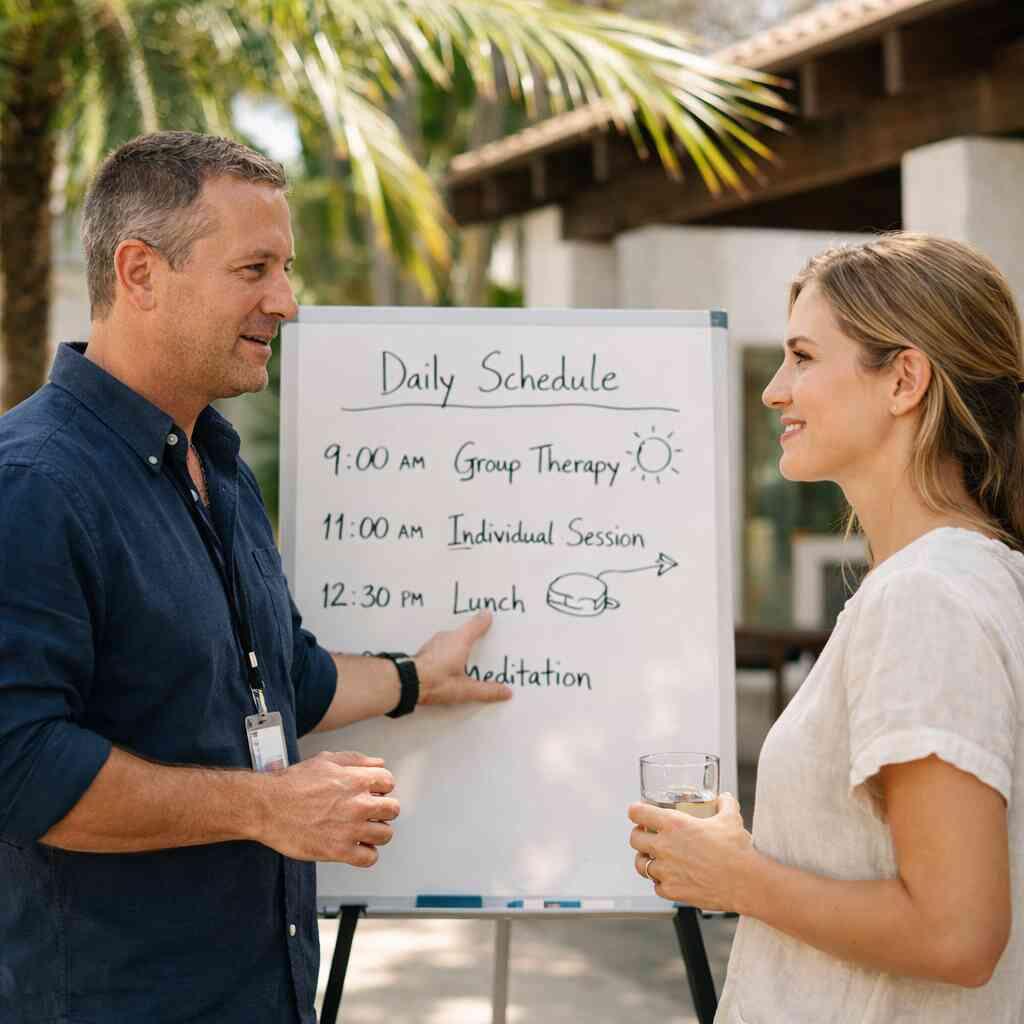
Inside a young adult treatment day in South Florida from intake to aftercare planning
What happens during the intake process and initial evaluation and consultation
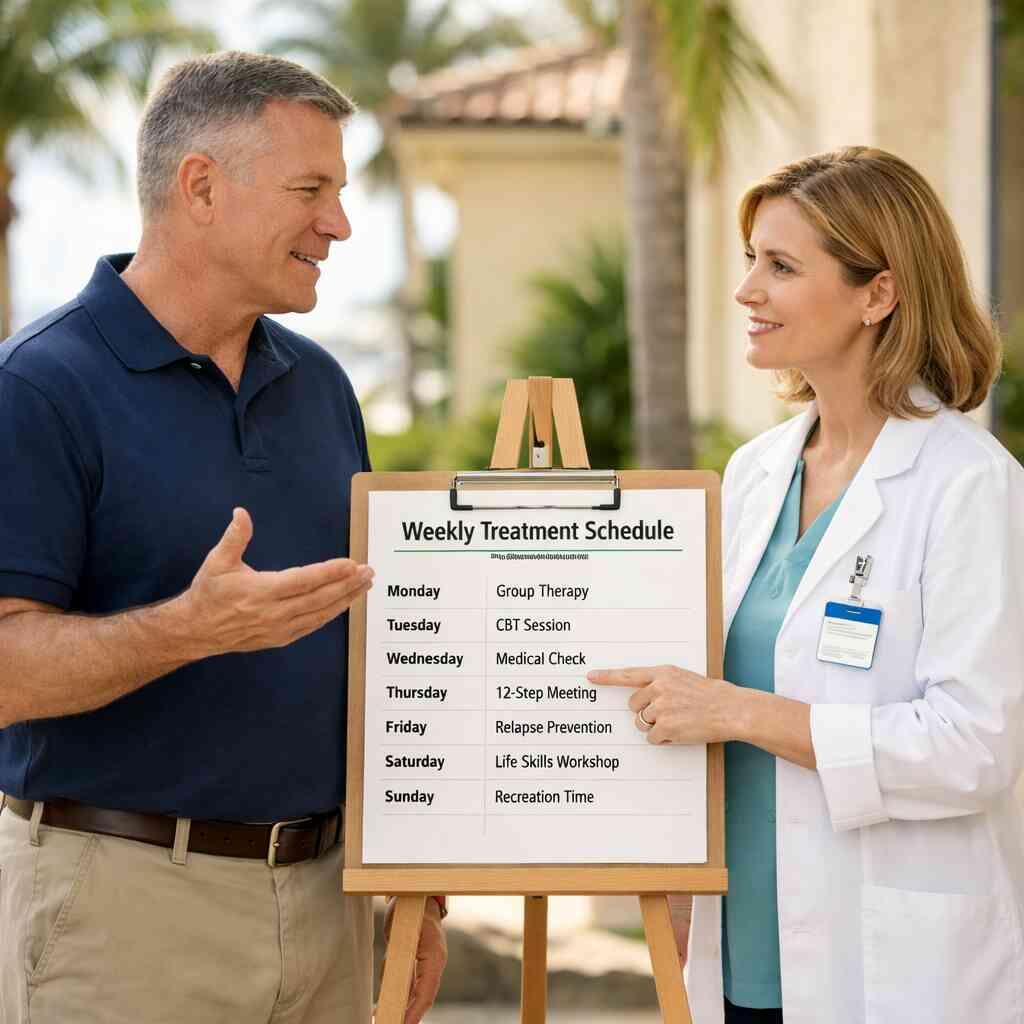
The intake process should feel organized, not overwhelming. It usually starts with a clinical conversation about substance use, mental health, safety, medications, and recent history. A strong program then uses an initial evaluation and consultation to determine the right level of care. If you want a detailed view, this initial evaluation and consultation for addiction and mental health care page can help set expectations.
This matters because early clarity reduces panic. People often arrive worried about being judged, or about being told they need more care than they expected. A good team explains the plan in plain language. That includes detox needs, mental health needs, and next-step recommendations.
Here is what almost no online guide mentions. Good intake is not about proving anything. It is about matching the person to the right level of support.
When PHP makes more sense than intensive outpatient or a mental health IOP
The difference between partial hospitalization program care and intensive outpatient care can change everything. PHP usually provides more structure, more hours, and more support during early stabilization. IOP gives more flexibility, which can help when the person is safer and more stable. A mental health IOP may fit someone whose primary issue is emotional regulation with substance risk in the background. If you want a clear side-by-side explanation, this PHP vs IOP in Palm Beach County breakdown is helpful. For many young adults, PHP works best when detox is fresh, cravings are active, or home life feels unstable. IOP often works better once the person can manage more independence. 
A simple rule helps here. More structure is better when risk is high. More flexibility is better when stability is growing.
How residential treatment, outpatient program Delray Beach, and aftercare support can fit together
Treatment should feel like a ladder, not a cliff. A person may begin in residential treatment facility care, move into an outpatient program Delray Beach program, and then continue with aftercare support. That sequence helps people practice new skills while still having backup. It also lowers the shock of going from full support to none.
If you want to compare options locally, this outpatient program in Delray Beach article can help. The best programs do not treat discharge like an ending. They treat it like a handoff. That handoff may include therapy, meetings, medication follow-up, and practical planning for school, work, or family tension.
A young man from the local area once said the step-down phase felt “less dramatic” than he expected. That was the point. Recovery often works better when it gets quieter, steadier, and more usable.
Why family therapy, family weekend, and case management matter for long-term recovery
Addiction affects the whole household. That is why family therapy and case management matter. Families need language, boundaries, and a plan. They also need help with guilt, fear, and mixed messages. A structured family weekend can help everyone hear the same clinical information and practice healthier communication.
If that is a key concern, this family therapy and family weekend in Delray Beach resource is worth reviewing. Case management matters too, because the practical pieces often become the sticking point: appointments, transportation, school leaves, employment issues, and aftercare placement.
In our experience, the biggest mistake is waiting until the crisis gets bigger. Families do better when they learn the plan early.
What sober living resources, alumni program support, and vocational support can do after discharge
Discharge should include structure. Sober living resources can give a young adult a safer setting while they rebuild habits. An alumni program can keep them connected after formal treatment ends. Vocational support can help with resumes, school planning, or job readiness.
That continuing care model aligns with best practice. If you want to see how long-term support fits into recovery, this aftercare planning for long-term recovery guide gives a strong overview. A good program also points people toward 12-step alternatives and SMART Recovery when those models fit better.
The goal is not perfection. The goal is continuity. People heal better when the support does not disappear the moment they leave the building.
Which program choice actually fits the person, not just the insurance card
How to choose a rehab when you are comparing private rehab options near the beachside recovery corridor
Choosing a program can feel like a race between fear and logistics. Start with fit. Does the center treat the right age group? Does it offer young adult rehab with staff who understand identity, independence, and family conflict? Does it have a clear process for how to choose a rehab based on clinical need?
Compare the basics before the branding. Look at detox support, therapy options, structure, family involvement, and discharge planning. Ask if the program is a private rehab and what that means for access and privacy. If you are comparing facilities near the coast, ask how they use the environment without overpromising what it can do.
This is also where RECO Intensive reviews may come up in searches. Read carefully. Look for consistency, not hype. Strong programs tend to sound clear, calm, and specific.
What insurance verification can tell you about Aetna, Cigna, Blue Cross Blue Shield, and out-of-network benefits
Insurance questions often drive the whole decision. That is normal. A good insurance verification process can tell you whether a plan may work with Aetna, Cigna, Blue Cross Blue Shield, or out-of-network benefits. It can also clarify whether self-pay options make more sense in a given situation.
If finances are part of your worry, this insurance verification for Florida rehab resource can help you think more clearly. Do not assume that a plan that looks expensive is impossible, or that a cheap option is automatically better. The real question is whether the level of care matches the need.
If a young adult needs residential support, short-term savings can backfire. Better coverage of the right service often matters more than a lower sticker price.
When a young adult needs dual diagnosis treatment for PTSD treatment, bipolar disorder therapy, or depression and addiction
Some young adults need more than substance-focused care. They need dual diagnosis treatment for co-occurring disorders. That may include PTSD treatment, bipolar disorder therapy, or deep work around depression and addiction. It may also involve medication review, psychiatric monitoring, and trauma-informed therapy.
If that sounds close to home, this dual diagnosis treatment for co-occurring disorders page can help you understand the model. Treatment is strongest when it treats the whole pattern. That means mood, trauma, sleep, substance use, and safety all get addressed together.
The decision frame is simple. If mental health symptoms were there before use, or worsened because of use, the treatment plan should reflect both.
Why young adult rehab may need gender-specific treatment, LGBTQ+ affirmative treatment, veterans addiction help, or a professional’s program
Not every young adult needs the same room, the same tone, or the same peer group. Some people do better with gender-specific treatment. Others need LGBTQ+ affirmative treatment so they can speak freely and feel safe. Some need veterans addiction help or a professional’s program because their work stress, status, or identity creates a different recovery pressure.
A good program should recognize those differences without stereotyping anyone. It should also be able to explain how those supports fit into clinical care. If you are looking near Palm Beach County treatment centers, ask directly what communities they serve well and how they protect dignity.
This is especially important for young adults. Belonging affects honesty. Honesty affects treatment. Treatment affects the next stage of recovery.
The decision frame that helps you move from worry to a clear next call at RECO Island in Delray Beach
If you feel stuck, use this frame:
- What is the main risk right now?
- Is detox needed?
- Is mental health part of the picture?
- Does the person need residential, PHP, or IOP?
- What aftercare will follow?
That list is often enough to cut through the fog. If you are comparing options in South Florida recovery, around the Delray Beach recovery community, or near Atlantic Avenue, choose the program that answers those questions clearly and calmly. If you want a place that values dignity, structure, and real follow-through, RECO Island’s team can help you sort through the next move at 140 NE 4th Avenue, Delray Beach, FL 33483.
You do not have to figure out everything today. Start with one call, ask the hard questions, and let the clinical details guide the rest.
Frequently Asked Questions
Question: How does RECO Island support young adult rehab with holistic recovery and dual diagnosis treatment in Delray Beach?
Answer: RECO Island focuses on treating the whole person, not just the substance use. For young adults, that often means combining evidence-based treatment with support for co-occurring disorders such as anxiety treatment, PTSD treatment, depression and addiction, or bipolar disorder therapy. A strong young adult rehab plan may include cognitive behavioral therapy, dialectical behavior therapy, EMDR trauma therapy when clinically appropriate, group therapy activities, family therapy, and practical supports like case management and life skills training. Holistic recovery can also include mindfulness meditation, yoga therapy, art therapy, and nutritional counseling, but those approaches work best as part of a broader clinical plan rather than as substitutes for care. If you are looking for Delray Beach rehab or Florida addiction treatment, RECO Island’s approach is designed to support long-term recovery in a way that feels structured, compassionate, and grounded in real clinical needs.
Question: What is the difference between a partial hospitalization program, intensive outpatient, and an outpatient program Delray Beach for young adults?
Answer: The right level of care depends on how much structure the person needs right now. A partial hospitalization program usually offers more support and more hours each week, which can be a good fit when symptoms are still intense or when a person is stepping down from a higher level of care. Intensive outpatient gives more flexibility while still providing meaningful support, and a mental health IOP may be helpful when emotional stability needs attention alongside substance use recovery. An outpatient program Delray Beach can be a strong next step when the person is ready for more independence but still needs clinical follow-up, aftercare planning, and relapse prevention support. RECO Island can help families think through what is the best fit based on signs of addiction, mental health needs, and day-to-day stability. If you are unsure what is PHP vs IOP, the safest approach is to ask for an initial evaluation and consultation so the level of care matches the actual clinical picture rather than guesswork.
Question: Does RECO Island help with opioid rehab Delray, fentanyl treatment, heroin recovery, and medication-assisted treatment?
Answer: For many people, yes, medication-assisted treatment can be an important part of recovery, especially when opioid use is involved. Depending on the person’s needs and the clinical assessment, treatment planning may include options such as Suboxone maintenance or Vivitrol injections as part of a broader opioid rehab Delray or fentanyl treatment plan. This can be especially important for heroin recovery, prescription pill addiction, or situations involving high relapse risk after South Florida detox. Medication is not a replacement for therapy, but for some people it is a life-saving tool that helps reduce cravings and allows them to engage more fully in counseling, family therapy, and aftercare planning. If you are comparing an alcoholism treatment center or drug rehab near me options, it is worth asking how the program supports both the medical and emotional sides of recovery without making assumptions about what a person should or should not need.
Question: What should families ask when comparing RECO Intensive reviews, insurance verification, and private rehab options near the beachside recovery corridor?
Answer: Families should look for clarity, not hype. When reviewing RECO Intensive reviews or comparing any private rehab, ask about the intake process, how the program handles dual diagnosis treatment, and whether the team uses licensed clinicians and evidence-based treatment. It is also smart to ask about insurance verification for Aetna, Cigna, Blue Cross Blue Shield, out-of-network benefits, and self-pay options so there are fewer surprises later. Beyond cost, ask how the program supports family weekend, family therapy, sober living resources, alumni program support, and aftercare support once formal treatment ends. A good center should also be able to explain whether it is a residential treatment facility, what its approach is to aftercare planning, and how it helps with coping skills, relapse prevention, and long-term recovery. In other words, choose based on clinical fit and transparency, not just location or branding.
Question: Does the blog Best Holistic Care Options for Young Adult Rehab in 2026 reflect the kind of support RECO Island offers for South Florida recovery and young adult mental health support?
Answer: Yes, the themes in Best Holistic Care Options for Young Adult Rehab in 2026 closely match the kind of support many families look for when seeking help in South Florida recovery. Young adult rehab works best when it includes mental health IOP or higher levels of care when needed, along with trauma-informed support for PTSD treatment, anxiety treatment, depression and addiction, and bipolar disorder therapy. It also helps when the setting feels calm and supportive, which is why a coastal healing environment can be meaningful when paired with clinical structure. RECO Island’s philosophy emphasizes dignity, community, and whole-person care, which can be especially important for young adults, LGBTQ+ affirmative treatment needs, gender-specific treatment needs, or a professional’s program. If you are in Palm Beach County treatment centers territory and trying to decide how to choose a rehab, the most useful next step is usually an honest conversation about the person’s current risk, the appropriate level of care, and what aftercare planning will look like after discharge.
“When I first arrived at reco I was a little terrified of detox. I had tried on my own so many times before and failed because the withdrawal symptoms were overwhelming. The staff here never left my side, they kept checking on me and adjusting my plan so I wouldn’t suffer more than I had to. The place itself feels nothing like a hospital or addiction rehab at all. It’s really peaceful and private and really put my mind at ease. What stood out the most was how personal the care felt, like they actually knew me and weren’t just following a generic process. That gave me hope I hadn’t felt in years. I walked away not only sober but believing in myself again.”– tim H., a 5 star review from RECO Island on Google Business Reviews