What Veterans Day 2026 Means for Addiction Recovery Support
When Veterans Day turns into a trigger and what that means for recovery support Veterans Day can bring up more than pride. It can bring a tight chest, a racing mind, and an urge to use. If you are feeling that pressure, it makes sense. Holidays tied to service can stir grief, guilt, anger, loneliness, […]

When Veterans Day turns into a trigger and what that means for recovery support
Veterans Day can bring up more than pride. It can bring a tight chest, a racing mind, and an urge to use. If you are feeling that pressure, it makes sense. Holidays tied to service can stir grief, guilt, anger, loneliness, and cravings at the same time, which is why veterans mental health and recovery support matters so much. At RECO Island, we often hear from families looking for veterans day addiction recovery support in Delray Beach because the day itself can feel loaded.
Why military holidays can stir grief, guilt, anger, and cravings at the same time
A military holiday can reopen old memories quickly. You may think about people you served with, choices you made, or things you wish had gone differently. That emotional stack can lead to restlessness, shutdown, or a sudden pull toward alcohol or pills. Here is the part most people miss: cravings often rise when feelings do not have a safe place to go. That is why trauma-informed support matters, not just willpower.
One veteran we spoke with this fall described the day as “too quiet.” He had no crisis on paper, but the silence pushed old memories forward. He was not looking for excuses. He was looking for relief. That is common, and it is treatable.
How PTSD symptoms and substance use can feed each other in veterans with dual diagnosis
PTSD and substance use disorder often form a loop. Sleep gets worse. Hypervigilance gets stronger. Then alcohol, opioids, or benzodiazepines may seem like short-term relief. Soon the body starts depending on substances to blunt panic, numb images, or get through the night. This is the co-occurring disorders model that NIDA and SAMHSA both emphasize, and it is why co-occurring disorders treatment in South Florida needs to address both issues together.
A veteran with dual diagnosis treatment may also be managing depression and addiction, anxiety, or bipolar disorder. Those conditions can raise relapse risk if the care plan only treats substance use. The smartest plan uses licensed clinicians, evidence-based treatment, and a full clinical picture. That approach helps with PTSD treatment, not just sobriety.
Which signs suggest a need for higher support like detox, PHP, or inpatient rehab Palm Beach County
Some warning signs are clear. Others are quiet. If your use is changing fast, your sleep is collapsing, or withdrawal starts between doses, you may need more support than outpatient care can provide. That is especially true with cocaine detox Florida, opioid rehab Delray needs, fentanyl recovery support, heroin recovery, prescription pill addiction treatment, or benzodiazepine withdrawal. When those pieces overlap with trauma, treatment often works better in a structured setting.
Watch for these signs:
- You need alcohol or pills to sleep.
- You are hiding how much you use.
- You feel shaky, nauseated, or panicked without substances.
- You have tried to stop and symptoms returned quickly.
- You cannot stay safe at home.
- Your mood swings are getting harder to control.
If any of that sounds familiar, South Florida detox , PHP, or inpatient rehab Palm Beach County may be a better fit than trying to white-knuckle it. In Delray Beach rehab settings, clinicians can assess whether you need medical detox, a residential treatment facility, or a partial hospitalization program.
The kind of treatment support that actually fits veterans instead of just checking a box
Veterans need more than a generic intake form and a few group sessions. They need care that understands military trauma, moral injury, chronic pain, and the habits that come from staying alert for too long. If you are comparing Florida addiction treatment options, ask whether the program knows how to treat trauma and substance use together. Many people searching for veterans mental health and recovery want that answer before they even call.
Why trauma-informed care matters for military trauma recovery and co-occurring disorders
Trauma-informed care assumes that safety comes first. It avoids shame, pushiness, and one-size-fits-all rules. It also pays close attention to triggers, sleep, anger, and the body’s stress response. For military trauma recovery, that matters because veterans often learned to survive by staying guarded. Good care respects that history instead of trying to bulldoze through it.
This matters even more with co-occurring disorders. A person may come in for alcohol use disorder treatment but also have panic, nightmares, or numbness tied to service. If the team ignores those symptoms, relapse prevention gets weaker. If the team sees the full picture, treatment can feel more humane and more effective.
How evidence-based care like CBT, DBT, and EMDR trauma therapy can support PTSD treatment
Evidence-based treatment gives you tools that hold up outside the therapy room. Cognitive behavioral therapy helps identify thoughts that drive panic, shame, or cravings. Dialectical behavior therapy teaches distress tolerance, emotion regulation, and mindfulness skills for moments when feelings rise fast. EMDR trauma therapy can help some people process traumatic memories in a structured way, especially when those memories keep flashing back or triggering use.
A veteran in treatment may not need every therapy. But they do need the right mix. For some, a trauma-informed care for veterans with PTSD and substance use plan includes CBT and group work first, then EMDR once stability improves. For others, DBT skills help with anger and self-harm urges before deeper trauma work starts. That pacing matters.
Where medication-assisted treatment, Suboxone maintenance, and Vivitrol injections fit in opioid rehab Delray and alcohol use disorder treatment
Medication-assisted treatment can save lives when used carefully. For opioid use, Suboxone maintenance may reduce cravings and withdrawal, while Vivitrol injections can help some people maintain abstinence after detox. These are FDA-approved tools, not shortcuts. For alcohol use disorder treatment, medication can also lower relapse risk when paired with therapy and monitoring.
This is where opioid rehab in Delray Beach with medication-assisted treatment often becomes relevant. The same is true for alcohol use disorder treatment and recovery support. If you have fentanyl recovery support needs, prescription pill addiction treatment concerns, or benzodiazepine withdrawal support issues, medication decisions should come from licensed clinicians who can review history, liver health, sleep, and mental health symptoms.
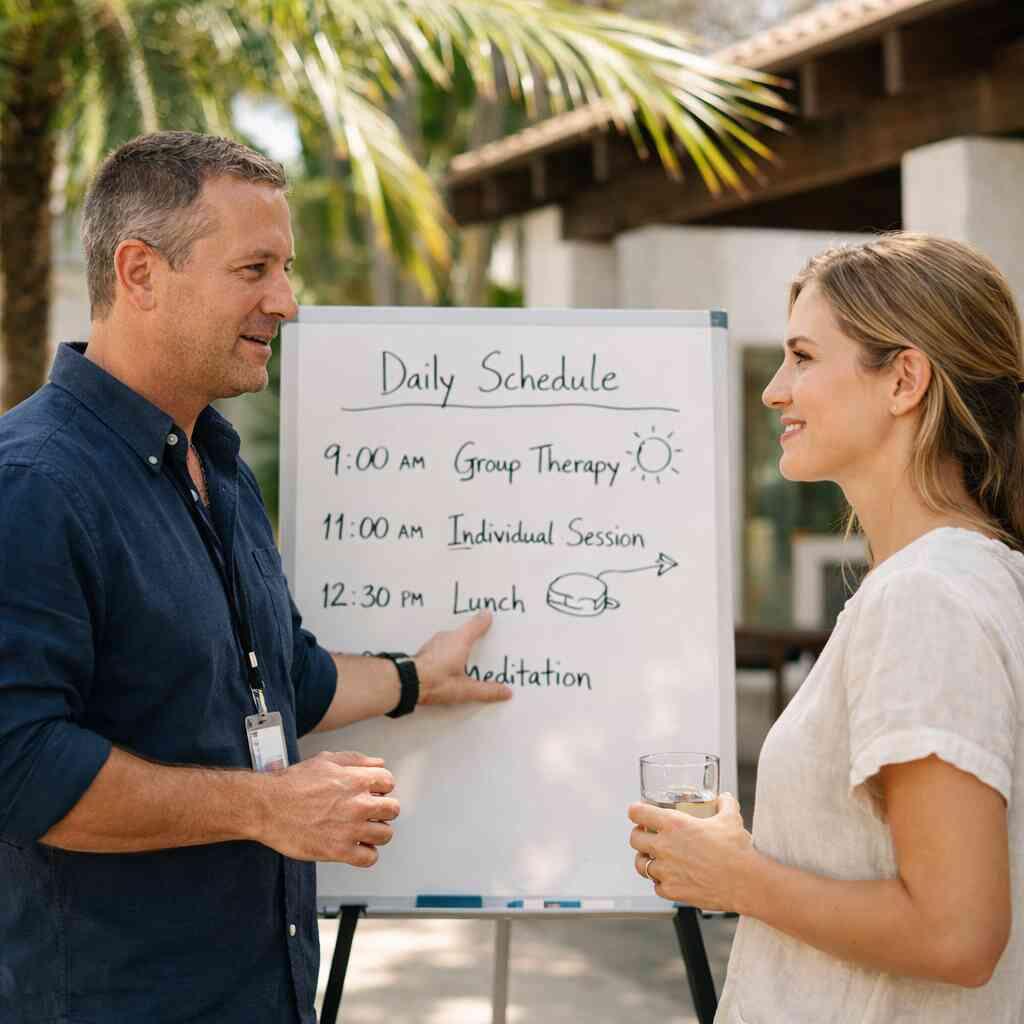
What a day of real care looks like in Delray Beach rehab and why setting matters
A good treatment day is structured, but not rigid. It should give your mind enough rhythm to settle down. It should also leave room for real clinical work. In Delray Beach, the coastal setting helps some people lower their guard, but the setting alone never does the work. The care plan has to fit the person, the diagnosis, and the level of risk. ### How a residential treatment facility, partial hospitalization program, and intensive outpatient program differ in practice 
These levels of care are not the same. A residential treatment facility gives the most structure without hospital-level care. A partial hospitalization program, or PHP, gives full-day treatment with the ability to sleep off-site. An intensive outpatient program, or IOP, offers fewer weekly hours and usually fits people with more stability.
Level of careDaily structureBest fitCommon focusResidential treatment facilityHighestAcute instability, high relapse risk, trauma symptomsSafety, stabilization, therapyPHPHighStep-down after detox or when home is not stable enough for IOPSkills, monitoring, medication supportIOPModeratePeople who can manage more independenceRelapse prevention, accountability, routineIf you are comparing a partial hospitalization program and intensive outpatient program in Palm Beach County, ask how the day runs. A real program should explain groups, therapy time, medication visits, and how the team tracks progress. If you need a residential treatment facility in Delray Beach, ask about sleep, safety planning, and how staff handle cravings after hours.
Why coastal healing environment details like Delray Beach, Atlantic Avenue, and South Florida recovery culture can support steadier routines
Setting is not a cure. Still, it matters more than people think. A calm, predictable environment helps the nervous system settle. In Delray Beach rehab, the pace near Atlantic Avenue and the beach can support simple routines: wake up, eat, attend treatment, walk, rest, repeat. That rhythm helps many people in early recovery feel less scattered.
South Florida recovery culture also gives people a lot of sober structure if they use it. You can find meetings, fitness options, quiet spaces, and sober things to do in Delray Beach after rehab without driving far. That is useful when stress is high and boredom can become a trigger. For people coming from Broward County rehab, Miami addiction help, Fort Lauderdale detox, West Palm Beach mental health, or Boca Raton outpatient settings, the area can offer enough distance from old patterns without feeling isolated.
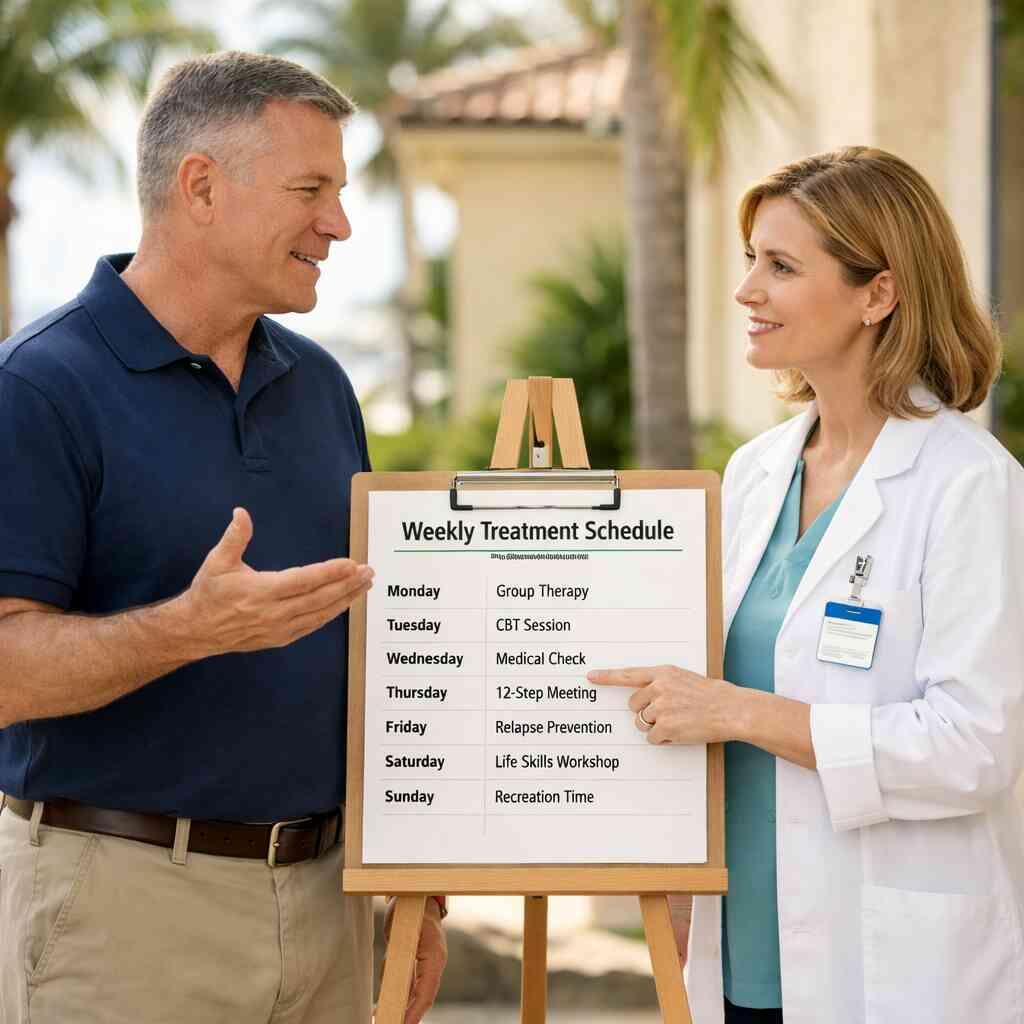
How group therapy activities, family therapy, mindfulness meditation, yoga therapy, and art therapy can strengthen coping skills and relapse prevention
The best programs do not rely on talk therapy alone. Group therapy activities teach you to hear your own patterns in other people’s stories. Family therapy helps loved ones stop guessing and start supporting with clear roles. Mindfulness meditation builds the skill of noticing a craving without obeying it. Yoga therapy and art therapy give the body and hands something steady to do when words are hard.
These supports work best when they are part of a larger plan. A person may use addiction treatment for veterans with dual diagnosis care to combine trauma work, relapse prevention, and family support. That kind of treatment can also include 12-step alternatives, SMART Recovery, coping skills practice, and life skills training. If family support matters in your case, ask about family therapy and how loved ones can join without taking over.
What to do next if Veterans Day is bringing the pressure back up
If the pressure is already rising, do not wait for a crisis to decide what matters. Get clear on coverage, level of care, and timing. Then match those facts to your symptoms. The process can feel confusing, especially if you are tired or scared, but the right questions make it manageable. RECO Island also offers insurance verification for Florida rehab in Palm Beach for people who want to understand coverage before making a move.
How insurance verification, Aetna, Cigna, Blue Cross Blue Shield, and out-of-network benefits can shape the next move
Insurance affects choices more than many families expect. Aetna, Cigna, and Blue Cross Blue Shield plans may cover some levels of care and not others. Out-of-network benefits can also matter, especially for private rehab settings. The clearest path is to verify benefits before you commit to a program, not after the bill arrives.
A few questions help:
- Does my plan cover detox, PHP, or IOP?
- Is preauthorization required?
- What are my out-of-network benefits?
- What will my estimated out-of-pocket cost be?
- Are medications like Suboxone or Vivitrol covered?
If you are looking for a Florida rehab that takes insurance, ask for a benefits review in plain language. If cost is a barrier, self-pay options may still be worth discussing.
What to ask when comparing Florida addiction treatment options like detox, outpatient program Delray Beach, and aftercare planning
Start with the basics. Ask whether the program can handle withdrawal safely, whether it treats dual diagnosis, and what the day-to-day schedule looks like. Ask how it handles South Florida detox support for benzodiazepine withdrawal, opioid withdrawal, and mental health symptoms together. Then ask about aftercare planning before you enroll.
Good questions include:
- What happens during intake?
- How long is detox for my substance use?
- Is there a mental health IOP if I need depression care too?
- How often do I meet with licensed clinicians?
- What happens after discharge?
- Do you help with sober living resources?
- Do you offer an outpatient program in Delray Beach for long-term recovery after higher care ends?
If family needs guidance, ask about military family support and whether the team includes case management or vocational support.
How sober living resources, alumni program support, case management, and long-term recovery planning can keep momentum going
Recovery does not end when treatment ends. It needs a bridge. Sober living resources can provide structure while a person rebuilds trust, work, and daily habits. Case management helps with appointments, forms, transportation, and next-step planning. Alumni program support adds connection, which matters when motivation dips.
That continuing care model aligns with best practice. It also helps protect against relapse during the awkward middle period after treatment. If you want a deeper look at Delray Beach recovery community support and alumni program, think of it as part of long-term recovery, not an extra. For many people, it is the reason early gains last.
If Veterans Day is stirring old pain, take that seriously. Call for an assessment, verify coverage, and ask about detox, PHP, or IOP before the week gets away from you. You do not have to solve everything today, and you do not have to carry it by yourself. Start with one honest conversation, then let the care team help you sort the next move.
Frequently Asked Questions
How long does detox last at a Delray Beach rehab?
Detox length depends on the substance, the amount used, and your health history. Alcohol and opioids often need close monitoring early on. Benzodiazepines may require a slower taper. A medical team should explain the expected timeline after assessment rather than guessing before they know your situation. The goal is safety first, then a steady transition into the right next level of care.
What’s the difference between PHP and IOP?
PHP gives more hours of treatment each week and more structure during the day. IOP has fewer weekly hours and works better when home life is more stable. Both can support mental health and addiction treatment. The right choice depends on withdrawal risk, cravings, safety, work demands, and whether you need more daily support right now.
Can veterans get help for PTSD and substance use at the same time?
Yes. That is often the best path. PTSD and substance use can reinforce each other, so treating only one can leave the other untreated. Look for dual diagnosis treatment, co-occurring disorders care, and trauma-informed clinicians who can address both symptoms together.
Does RECO Island take insurance?
Coverage can change by plan, level of care, and network status. The safest next move is insurance verification before admission. Ask about Aetna, Cigna, Blue Cross Blue Shield, out-of-network benefits, and self-pay options if needed. A clear benefits check can save time and reduce stress.
Can family be involved in treatment?
Often, yes. Family therapy can help loved ones understand triggers, boundaries, and communication. It also reduces blame and confusion. The exact level of family involvement depends on the treatment plan, privacy preferences, and clinical needs.
What if I need help for depression but not addiction?
That still matters. Depression, anxiety, and bipolar symptoms can raise relapse risk and make daily life harder, even without active substance use. A program with mental health IOP or co-occurring care can help you sort out what is driving what. A good assessment should look at both mental health and substance history, even if you came in for one concern only.
*”I came to RECO with two days clean and sober and now I’ll be clean and sober 5 years next month. That speaks for itself in my opinion
More importantly, I feel phenomenal. And I’m having the time of my life ! At RECO I learned how to stay clean and sober. They taught me that. They gave me tools, bit I have to do my part to be sure.
I go to RECO many a Thursday night for a group therapy session, Alumni is invited to that as well. I find it extremely beneficial to my recovery program. It’s great to see current clients and staff members. Making connections with people is a key component of a strong and solid program. Very easy to do. Everybody is very supportive of each other.
Regardless of whatever aspect of RECO that a client might be involved in, rest assured that it will have excellent competence and professionalism.
The main RECO facility is state of the art, but it’s what happens inside, in the trenches, that is truly miraculous.
RECO gets good results, I’ve seen it first-hand, in myself.”*- Kekes K., a 5 star review from RECO Island on Google Business Reviews