How RECO Island Guides Aftercare Planning for Lasting
Why aftercare is the part of treatment most people underestimate If you are staring at discharge paperwork and feeling a knot in your stomach, that reaction makes sense. The hard part is not only stopping use. It is returning to ordinary life with new habits, old triggers, and real pressure waiting outside the door. That […]
Why aftercare is the part of treatment most people underestimate
If you are staring at discharge paperwork and feeling a knot in your stomach, that reaction makes sense. The hard part is not only stopping use. It is returning to ordinary life with new habits, old triggers, and real pressure waiting outside the door. That is why aftercare planning matters so much in Delray Beach rehab.
The quiet risk that appears after discharge and why structure matters
The days after treatment can feel deceptively calm. Then the noise returns. A missed call, a tense family dinner, or a sleepless night can shake confidence fast. We hear this from people who felt strong in treatment and then felt overwhelmed at home. Structure lowers that risk because it gives your day shape when emotions run high.
In the situations we see most often, the biggest danger is not drama. It is drift. Without a plan, people skip meetings, delay appointments, and start isolating. That is where drug rehabilitation aftercare earns its value. It turns vague hope into scheduled support, so recovery does not depend on willpower alone.
“This my first time ever going into any type of treatment or detox treatment program. I’m so thankful and so very grateful for all of the therapists, Tech’s, nurse and everyone that works there to help Reco Island Detox and all. Other services that they offer runs efficiently Reco will forever be my extended family. I am so proud and greatful to be an Reco Alumni. 🫶🏾🫶🏾🫶🏾🤗🤗”– Tara B., a 5 star review from our business on Google Business Reviews
How relapse prevention planning shifts from crisis control to daily routines
Early on, relapse prevention often sounds like emergency planning. You list triggers. You name warning signs. You decide who to call. That matters, but it is only the start. Strong relapse prevention planning also covers meals, sleep, rides, work stress, and how you handle a bad afternoon.
Here is the part most people miss: a good plan does not only stop a crisis. It protects the ordinary middle of the day, where many slips begin. In a Florida summer, even small things can matter more. Heat, traffic on I-95, and a crowded schedule can drain patience fast. That is why a Florida recovery support plan should feel practical, not heroic.
What lasting recovery support looks like beyond a residential treatment facility
A residential treatment facility can create safety, but lasting change needs continuity. That means support after the door closes behind you. It can include therapy, case management, peer support, and follow-up care that matches your pace. For some people, that also means sober housing and a tighter routine during the transition.
One client in the Palm Beach County area left treatment feeling clear-headed, then faced two family conflicts in one week. What helped was not a perfect answer. It was a weekly check-in, a structured evening routine, and a ride plan for meetings in Delray Beach. Small systems held the line until emotions settled. That is what lasting support often looks like: plain, repeatable, and steady.
The plan RECO Island builds before the door even opens
Aftercare should not be an afterthought. It should start during intake. That is where the team learns what your real life looks like, what pressures you face, and what support you may need after discharge. At RECO Island in Delray Beach, that planning can begin as soon as the first clinical conversation starts.
Why intake, insurance verification, and clinical assessment shape the exit plan too
The intake process is not just about getting admitted. It helps define what you will need next. A careful clinical assessment shows the level of care, mental health needs, family stress, and recovery history that shape discharge planning. Insurance review matters too, because coverage affects timing, step-down care, and where you can continue treatment. If you need help sorting that out, insurance verification for rehab in Florida can remove a lot of guesswork.
People often ask about costs before they can even breathe. That is normal. It is also why insurance checks, out-of-network benefits, Aetna, Cigna, and Blue Cross Blue Shield questions should happen early. If you are comparing a private rehab to other options, ask how they plan for transition from day one. Good aftercare planning in Delray Beach should fit both your clinical needs and your real budget.
How dual diagnosis treatment and co-occurring disorders change aftercare decisions
If you are dealing with addiction and mental health symptoms at the same time, aftercare cannot be generic. The dual diagnosis treatment in Palm Beach County model addresses both sides together. That matters for depression and addiction, anxiety treatment, bipolar disorder therapy, PTSD treatment, and trauma therapy South Florida families often need. NIDA and SAMHSA both emphasize that co-occurring disorders need coordinated care, not separate silos.
This changes the discharge plan in real ways. Someone with panic symptoms may need a mental health IOP. Someone with trauma may need EMDR trauma therapy or continued CBT. Someone with cravings and insomnia may need medication review and close follow-up. At RECO Island, the point is not to guess. It is to match care to what is actually happening.
Matching PHP vs IOP, outpatient program Delray Beach care, and sober living resources to real life in Palm Beach County
This is where many families get stuck. What is PHP vs IOP? PHP, or partial hospitalization, is more intensive and structured. IOP, or intensive outpatient, has fewer weekly hours and may fit work or school better. If you need a clear comparison, PHP vs IOP for South Florida recovery can help frame the choice. The right level depends on risk, symptoms, and daily stability.
A good outpatient program in Delray Beach should also look at housing. Some people do best with sober living resources in South Florida. Others can return home if the environment is stable. In Palm Beach County, that decision often depends on commute time, work hours, family tension, and access to meetings. If you are searching for sober living resources in South Florida, ask how the recommendation supports recovery instead of just filling a bed.
The role of family therapy, group therapy activities, and case management in discharge planning
Recovery rarely happens in a vacuum. Family patterns, communication habits, and old resentments often travel home with you. That is why family support in recovery in Delray Beach can be part of discharge planning, not a side note. Family therapy helps people set boundaries, speak plainly, and reduce chaos after treatment. Group therapy activities also matter after discharge. They keep you connected to peers who understand the work. Case management helps organize the pieces that can feel overwhelming. That might include appointments, rides, work letters, school plans, or referrals. A strong discharge plan is less about big speeches and more about making sure the next Tuesday afternoon does not fall apart. 
What steady recovery looks like once treatment ends and the next season starts
Aftercare is not a finishing line. It is a maintenance plan. Some weeks feel stable. Some weeks feel rocky. The goal is not perfect mood or constant confidence. The goal is to keep using skills before stress becomes a setback.
Using CBT, DBT, EMDR trauma therapy, and mindfulness meditation to keep coping skills active
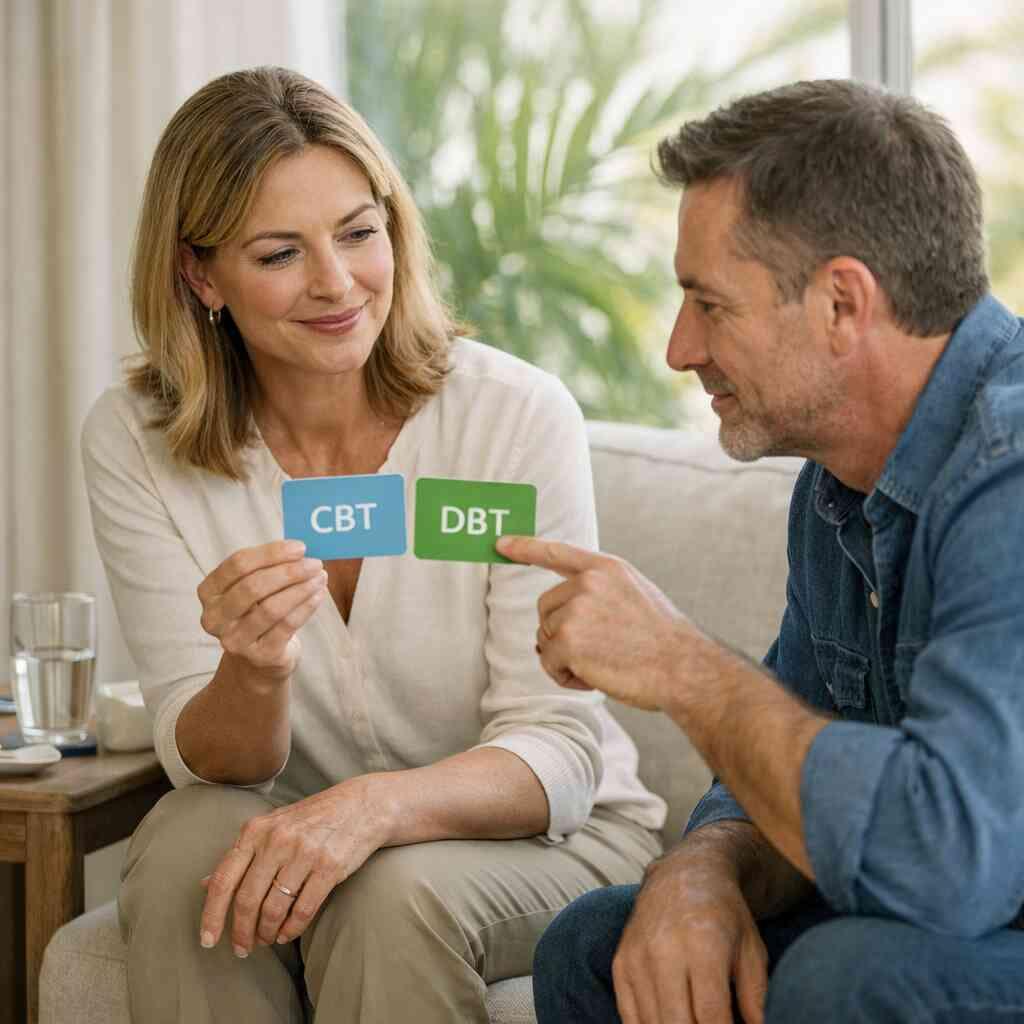
Evidence-based treatment works best when you keep practicing it. CBT, or cognitive behavioral therapy, helps you notice thoughts that feed cravings or shame. DBT, or dialectical behavior therapy, builds distress tolerance and emotional control. EMDR trauma therapy can help process painful memories when trauma drives substance use. Mindfulness meditation supports attention and slows automatic reactions.
These tools matter outside treatment because life does not pause. A tense text can trigger old thinking. A rough night can weaken judgment. A quick grounding routine, even for two minutes, can help reset your body. That is why RECO Island’s focus on coping skills development, holistic recovery support, and ongoing therapy can matter long after residential care ends.
Medication-assisted treatment follow-up with Vivitrol injections or Suboxone maintenance when appropriate
For some people, medication-assisted treatment is part of long-term recovery planning. FDA-approved options can reduce cravings and lower relapse risk when used correctly. That may include naltrexone support with Vivitrol injections or buprenorphine maintenance for opioid recovery, often known as Suboxone maintenance. These medications are not right for everyone, but they can be useful in opioid rehab Delray plans, fentanyl treatment, heroin recovery, and prescription pill addiction support.
One family we spoke with had trouble understanding why medication mattered after detox. The answer was simple. Detox clears the body. Recovery still needs protection. When medication fits the clinical picture, it can steady the ground while therapy and routines do the deeper work. That is especially true for opioid use disorder recovery planning and benzodiazepine withdrawal support, where follow-up should be close and careful.
Alumni program support, recovery community connection, and sober network building in Delray Beach and South Florida
Long-term recovery gets stronger through connection. That is why alumni program support is so important. It keeps you near people who know the early months can be shaky. RECO Intensive alumni support can help extend that connection in a way that feels local and real. For more on that model, recovery maintenance and alumni support in Delray Beach can be a helpful resource.
Delray Beach has a visible recovery community. You see it in meeting rooms, coffee shops, and quiet corners near Atlantic Avenue. You also see it in simple sober things to do Delray families look for when they want connection without pressure. Some people prefer 12-step alternatives like SMART Recovery. Others stay with traditional meetings. The best plan gives you more than one path, so support stays available when one room feels wrong.
How life skills training, vocational support, nutrition counseling, and aftercare support protect long-term recovery
Recovery gets harder when daily life feels chaotic. That is why life skills training matters. Learning how to budget, cook, sleep better, and manage time can protect sobriety as much as therapy does. Vocational support helps people return to work with more stability, especially after a long break or a job loss tied to addiction.
Nutrition counseling also deserves more attention. Blood sugar swings, dehydration, and poor meals can make cravings feel louder. In South Florida, beachside recovery can look calm on the outside while the inside still feels raw. Support with meals, schedules, and aftercare support can keep that rawness from becoming a relapse. For some, young adult rehab, professional program support, LGBTQ+ affirmative treatment, veterans addiction help, women’s rehab, or men’s recovery groups make the plan feel more relevant and safe. RECO Island’s life after treatment approach centers that kind of practical continuity.
When to reassess the post-treatment recovery plan if stress, grief, or new symptoms show up
A plan should change when life changes. If grief spikes cravings, the plan needs an update. If depression returns, the plan needs a review. If work stress, family conflict, or new symptoms show up, do not wait until things worsen. Reassessment is not failure. It is maintenance.
What we have seen in 2026 specifically is that people do better when they act early. That might mean adding therapy, increasing IOP hours, checking on medication, or reconnecting with alumni support. If you notice isolation, sleep loss, missed meetings, or rising anxiety, speak up fast. The right post-treatment recovery plan should bend before it breaks. And if you are trying to compare a Delray Beach recovery community option with a South Florida recovery option, ask which team will reassess with you instead of handing you a static plan.
If you need a next move today, pick one support point and make contact. Call about aftercare, ask about your outpatient fit, or request an insurance review. You do not have to solve the whole year tonight, and you do not have to carry this alone.
Frequently Asked Questions
How long does detox last at a Delray Beach rehab?
Detox length varies by substance, medical history, and withdrawal risk. Alcohol, opioids, cocaine, and benzodiazepines each need different monitoring. Most programs give a range after assessment, not a promise. If you want specifics, ask about symptoms, medications, and how the team monitors safety during South Florida detox.
What is PHP vs IOP?
PHP, or partial hospitalization, offers more hours and structure. IOP, or intensive outpatient, gives more flexibility for work, school, or family needs. Both can help after residential care. The right choice depends on stability, symptoms, and home support. A clinical team should explain the step-down plan clearly.
Can I bring my phone to treatment?
Policies vary by level of care and clinical need. Some programs limit phone use at first, while others allow structured access. The goal is to reduce distraction and protect focus early in treatment. Always ask during intake so you know what to expect.
Is family involved in the program?
Often, yes. Family therapy and education can help repair communication and set healthy boundaries. Many recovery plans work better when family members understand triggers, expectations, and support roles. Ask how visits, family weekend, or family sessions work in the program you are considering.
What if I need help for depression but not addiction?
A dual diagnosis or mental health program may still fit. Depression, anxiety, bipolar disorder, and PTSD can all need treatment even when substance use is not the main issue. Ask about psychiatric assessment, therapy, and whether the team offers continuing care for co-occurring concerns.
Does aftercare include alumni support?
Often, it should. Alumni support helps people stay connected after discharge through meetings, events, check-ins, or peer support. That connection can make early recovery feel steadier, especially during stressful seasons. A strong aftercare plan should include more than a goodbye.
{
  "FAQPage": [
    {
      "question": "How long does detox last at a Delray Beach rehab?",
      "answer": "Detox length varies by substance, medical history, and withdrawal risk. Alcohol, opioids, cocaine, and benzodiazepines each need different monitoring. Most programs give a range after assessment, not a promise. If you want specifics, ask about symptoms, medications, and how the team monitors safety during South Florida detox."
    },
    {
      "question": "What is PHP vs IOP?",
      "answer": "PHP, or partial hospitalization, offers more hours and structure. IOP, or intensive outpatient, gives more flexibility for work, school, or family needs. Both can help after residential care. The right choice depends on stability, symptoms, and home support. A clinical team should explain the step-down plan clearly."
    },
    {
      "question": "Can I bring my phone to treatment?",
      "answer": "Policies vary by level of care and clinical need. Some programs limit phone use at first, while others allow structured access. The goal is to reduce distraction and protect focus early in treatment. Always ask during intake so you know what to expect."
    },
    {
      "question": "Is family involved in the program?",
      "answer": "Often, yes. Family therapy and education can help repair communication and set healthy boundaries. Many recovery plans work better when family members understand triggers, expectations, and support roles. Ask how visits, family weekend, or family sessions work in the program you are considering."
    },
    {
      "question": "What if I need help for depression but not addiction?",
      "answer": "A dual diagnosis or mental health program may still fit. Depression, anxiety, bipolar disorder, and PTSD can all need treatment even when substance use is not the main issue. Ask about psychiatric assessment, therapy, and whether the team offers continuing care for co-occurring concerns."
    },
    {
      "question": "Does aftercare include alumni support?",
      "answer": "Often, it should. Alumni support helps people stay connected after discharge through meetings, events, check-ins, or peer support. That connection can make early recovery feel steadier, especially during stressful seasons. A strong aftercare plan should include more than a goodbye."
    }
  ]
}