How to Choose a Delray Beach Outpatient Program in 2026
If you are reading this at night, staring at a search for an outpatient program in Delray Beach, you may be carrying fear, pressure, or both. That feeling makes sense. Families often start here because they want help fast, but they also want the right fit. The cheapest choice can look comforting on a screen […]
If you are reading this at night, staring at a search for an outpatient program in Delray Beach, you may be carrying fear, pressure, or both. That feeling makes sense. Families often start here because they want help fast, but they also want the right fit. The cheapest choice can look comforting on a screen and still cost more later if care is too thin, too vague, or too disconnected.
Why the cheapest outpatient option can cost more than getting it right
What Delray Beach families mean when they search for an outpatient program in Delray Beach
People usually type Delray Beach rehab or drug rehab near me when life has already become hard to manage. They may be comparing Florida addiction treatment options after missed work, broken trust, or a scary night involving alcohol, pills, or fentanyl. In Delray Beach, the search often comes with urgency because the local recovery community is active, visible, and full of options. That is helpful, but it also makes the decision harder.
A strong outpatient fit should match your daily reality. If you need a mental health IOP and support for cravings, sleep, and mood, the plan should say so clearly. If the problem is more complex, dual diagnosis treatment may be the safer path. Here is the part most people miss: the right level of care matters more than the lowest quote.
The signs of addiction and co-occurring disorders that should change the plan
The signs of addiction are not always dramatic. Sometimes they look like isolation, secrecy, missed obligations, or repeated promises that never hold. Other times they show up as depression and addiction, panic, irritability, or unstable sleep after drinking or using. If the person also has PTSD treatment, anxiety treatment, or bipolar disorder therapy needs, the plan should address both sides together.
One family we spoke with had a son in Boca Raton outpatient care that seemed fine at first. Then the missed sessions started, followed by a brief return to cocaine use and a hospital visit. The change they needed was not more hope. It was more structure, more monitoring, and a deeper look at co-occurring disorders.
When mental health IOP is enough and when dual diagnosis treatment needs more structure
A mental health IOP in Delray Beach can work well when the main need is support with mood, stress, coping, and routine. It often fits people who can stay safe at home and keep functioning between sessions. But if alcohol or drugs are driving the anxiety, or if trauma keeps triggering relapse, dual diagnosis treatment for co-occurring disorders usually needs a tighter plan. That is especially true when there is recent detox, self-harm risk, or repeated relapse.
The National Institute on Drug Abuse supports integrated care for co-occurring conditions. That means both the substance use and the mental health condition need attention in the same treatment plan. At RECO Island, that kind of coordination can matter for people seeking South Florida recovery with dignity. If you want a clear overview of level-of-care options, our article on choosing a rehab in Delray Beach is a useful companion read.
The decision map that separates PHP from IOP and keeps care from slipping through the cracks
What PHP vs IOP really means in daily time, support, and clinical intensity
The phrase what is PHP vs IOP sounds simple, but the difference matters. A partial hospitalization program usually means more treatment hours, more staff contact, and more daily structure. Intensive outpatient is lighter, but it still offers steady clinical support. If you are trying to compare intensive outpatient versus PHP in Palm Beach County, think of intensity, not labels.
Level of careTypical structureBest fitPartial hospitalization programMore hours per day, more clinical contactHigher instability, early recovery, step-down from a residential treatment facilityIntensive outpatientFewer hours, more independenceStable home setting, need for strong therapy and relapse supportThe right choice depends on safety, not pride. If evenings are the danger zone, a fuller day schedule can help. If work, school, or family duties are pressing, intensive outpatient may still be enough with the right plan.
When a partial hospitalization program fits better than an intensive outpatient schedule
A partial hospitalization program vs IOP decision often comes down to what happens after treatment ends each day. If someone returns to chaos, unsafe company, or heavy cravings, the lighter option may not hold. A PHP can create more space for stabilization, medication review, and frequent clinical check-ins. That matters for people leaving a residential treatment facility or stepping down from South Florida detox.
On the projects we’ve finished this year, the biggest mistake we see is moving too fast to a lighter schedule. Families want relief. That is understandable. But if the person still needs close observation after cocaine detox Florida, opioid rehab Delray, or benzodiazepine withdrawal, more structure usually protects progress.
How group therapy activities, individual therapy, and family therapy work together
Good outpatient care should not rely on one tool. Group therapy activities help people practice honesty, feedback, and coping in real time. Individual therapy gives room for private work, triggers, and personal history. Family therapy helps repair patterns at home, which is where many relapses start. A plan without all three can feel neat on paper and brittle in practice.
If family members are confused, direct education helps. They need to know what triggers look like, how boundaries work, and what to do when a craving spike hits. RECO Island’s family therapy and support options can help structure that part of care. That matters in a place like Delray, where family weekend visits and support calls often shape long-term stability.
Why evidence-based treatment like CBT, DBT, and EMDR matters for trauma therapy South Florida
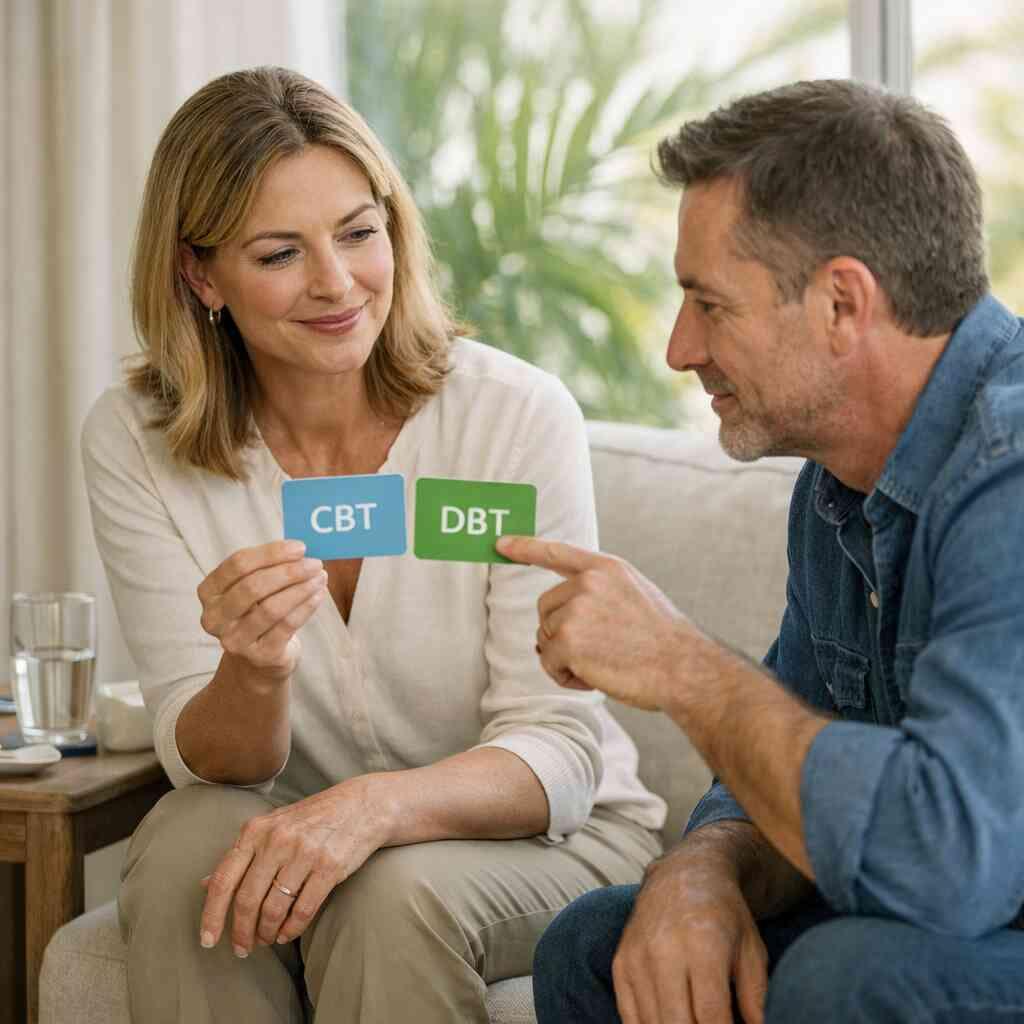
Evidence-based treatment is not a slogan. It means the therapy has research behind it and a clear method. Cognitive behavioral therapy helps people spot thoughts that feed use. Dialectical behavior therapy teaches distress tolerance, emotional regulation, and better choices under stress. EMDR trauma therapy can help some people process trauma memories that keep the nervous system stuck on alert.
That matters in trauma therapy South Florida, because many clients carry both substance use and older wounds. If trauma never gets treated, sobriety can feel like white-knuckling. If you want a focused read on those methods, CBT, DBT, and EMDR trauma therapy in South Florida explains them in more depth. RECO Intensive reviews often mention how a thoughtful clinical setting can make hard work feel safer.
What an admissions team should prove before you trust them with your recovery
How insurance verification should work for Aetna, Cigna, Blue Cross Blue Shield, and out-of-network benefits
Insurance questions cause real stress. A good team should explain benefits in plain language, not legal fog. That means checking insurance verification for Florida rehabs, including Aetna, Cigna, and Blue Cross Blue Shield. It also means explaining out-of-network benefits and self-pay options without pressure.
A careful admissions process should tell you what is covered, what may need prior authorization, and what your estimated responsibility could be. If the team rushes this part, pause. Cost surprises often create treatment delays. You can review our insurance verification process before making a call.
What DCF licensed, Joint Commission accreditation, and licensed clinicians actually tell you
People toss around credential words too easily. DCF licensed means the program meets Florida licensing standards through the Department of Children and Families. Joint Commission accreditation signals an outside review of safety and quality. Licensed clinicians means the people treating you have the required professional training and state authorization.
Those details do not guarantee perfect care. They do tell you the program takes oversight seriously. If a center cannot explain its license, accreditation, or clinical team clearly, keep looking. RECO Island’s licensed clinicians and accreditations page should help you verify basics before you step in the door.
Which services matter for Florida addiction treatment, including medication-assisted treatment, Suboxone maintenance, and Vivitrol injections
For many people, Florida addiction treatment should include more than talk therapy. Medication-assisted treatment can reduce cravings and support stability when used appropriately. Suboxone maintenance may help some people with opioid use disorder. Vivitrol injections may be useful for others, depending on medical history and goals. FDA-approved medication options are part of modern care, not a shortcut. They work best alongside therapy, monitoring, and relapse planning. The right program should explain who may benefit, who may not, and how medication fits with counseling. RECO Island’s medication-assisted treatment and recovery support page can clarify what those services involve. 
How to judge whether a center can support alcoholism treatment center needs, opioid rehab Delray, cocaine detox Florida, and benzodiazepine withdrawal
Different substances require different caution. An alcoholism treatment center should understand withdrawal risks, sleep issues, and relapse triggers. Opioid rehab Delray needs a plan for cravings, overdose prevention, and medication support when appropriate. Fentanyl treatment, heroin recovery, and prescription pill addiction each carry their own patterns, and benzodiazepine withdrawal can be medically serious.
If you are comparing a detox-and-step-down model, ask how the team handles handoffs between levels of care. A center that supports fentanyl treatment and drug detox in Florida should be able to explain monitoring, taper planning, and follow-up. One client’s family told us the first calm, specific answer they heard changed everything. The answer was simple: “Here is what we watch for, and here is who calls whom.”
What intake process details should be explained before you ever arrive at 140 NE 4th Avenue Delray Beach FL 33483
The intake process should never feel mysterious. Before you arrive at 140 NE 4th Avenue Delray Beach FL 33483, you should know what paperwork to bring, who you will meet, and what the first day feels like. You should also know how the center handles intervention services, medication review, and any immediate mental health concerns. If the plan involves detox before outpatient care, ask about timing and safety.
Good intake teams explain practical details early. That includes arrival time, phone access, family contact, and what happens if you feel overwhelmed. At RECO Island, this kind of clarity matters because the first day sets the tone. The review excerpt that best captures that tone is: “The clinical program was comprehensive and tailored to individual needs, ensuring a holistic approach to recovery. Every aspect of the treatment was carefully designed to support healing and growth.” – Jessica H., 5-star review.
The recovery environment that keeps people steady after the first hard week
How a coastal healing environment near the Atlantic Avenue corridor can support focus without distraction
Place matters more than people admit. A calm, coastal healing environment can make it easier to breathe, sleep, and stay present. In Delray Beach, the area near the Atlantic Avenue corridor gives you movement without chaos, and the beachside setting can lower the sense of confinement. That does not cure addiction, but it can reduce noise.
For some clients, the simple rhythm of South Florida helps. Morning light. Short walks. Less clutter. That matters after hard sessions, especially for people who are newly sober and easily overstimulated. RECO Island’s coastal recovery environment in Delray Beach, Florida reflects that kind of atmosphere.
What aftercare planning should include from sober living resources to relapse prevention and life skills training
Treatment should not stop at discharge. Aftercare planning should include sober living resources, relapse prevention, and clear follow-up steps. It should also include case management, life skills training, and support for work, school, or family structure. If a center treats discharge like an ending, that is a warning sign.
The best plans name the next hard moments before they happen. They cover triggers, transportation, appointments, and what to do if sleep falls apart. They may also include SMART Recovery, 12-step alternatives, or traditional meetings, depending on the person. RECO Island’s aftercare planning and relapse prevention page can help you see how continuing care fits into long-term recovery.
Why alumni program support, case management, nutritional counseling, and vocational support matter after discharge
The period after treatment can feel quiet and shaky. That is where alumni program support becomes useful. A strong RECO Intensive alumni network can keep contact warm without making recovery feel performative. Case management, nutritional counseling, and vocational support also matter because real life returns quickly.
People often think post-discharge support is optional. It is not. It is part of relapse prevention. The small things matter: meal timing, job applications, rides, sleep, and checking in before a bad day becomes a bad week. If you want to see how continuity works, RECO Intensive alumni is worth reviewing.
How to weigh private rehab setting options, LGBTQ+ affirmative treatment, veterans addiction help, women’s rehab, and men’s recovery
A private rehab setting can help when privacy, comfort, and clinical focus matter. But setting alone is not enough. Ask whether the center offers LGBTQ+ affirmative treatment, veterans addiction help, women’s rehab, and men’s recovery supports when needed. Those details can shape safety, openness, and retention.
The right environment respects identity without turning it into a marketing line. It also recognizes that a young adult rehab track may need different pacing than a professional’s program. If you are comparing Palm Beach County treatment centers and wondering which feels safer, pay attention to how people speak during the intake call. Tone tells you a lot.
The next move if you are comparing Delray Beach rehab choices and want a calmer, safer fit for long-term recovery
If you are sorting through Delray Beach rehab options, slow the decision down enough to ask three questions. Does the program match the clinical need? Does the staff explain the process clearly? Does the environment feel steady enough for honest work? Those questions protect you from choosing based on price alone.
You do not have to sort every detail today. Start with one call, ask about level of care, and confirm insurance, licensing, and the first-day plan. If RECO Island feels like a fit, that conversation can clarify the path forward without pressure. And if it does not, you still leave with better information, which matters just as much.
Frequently Asked Questions
How long does detox last at a Delray Beach rehab?
Detox length depends on the substance, dose, health history, and whether alcohol, opioids, or benzodiazepines are involved. Alcohol and benzodiazepine withdrawal can need close medical monitoring. Opioid detox may feel shorter, but cravings often last longer than the physical symptoms. A good team should explain the expected timeline and what symptoms require urgent care.
Does RECO Intensive take my insurance?
Insurance coverage depends on your plan and benefits. A responsible admissions team should verify Aetna, Cigna, Blue Cross Blue Shield, and out-of-network benefits before admission. They should also explain any self-pay options clearly. If you are unsure, ask for a benefits review in writing.
What’s the difference between PHP and IOP?
A partial hospitalization program usually offers more hours and more structure than intensive outpatient care. PHP is often better when someone needs close support after detox or during unstable early recovery. IOP can work when daily life is more stable and the person can safely manage more independence. The right level depends on risk, not preference alone.
Can I bring my phone to treatment?
Policies vary by program and level of care. Some centers limit phone access early on so clients can focus and settle in. Others allow it with guidelines. Ask before admission so you know what to expect and can set family, work, and school boundaries ahead of time.
Is family involved in the program?
Many programs include family therapy or family education because addiction affects the whole home. Family sessions can teach communication, boundaries, and relapse response. If family involvement feels complicated, that is normal. A good program will handle it with structure and care.
What if I need help for depression but not addiction?
A mental health IOP may still fit if the main issue is mood, anxiety, or trauma without active substance use. If alcohol or drug use is part of the picture, dual diagnosis treatment is usually the better model. Either way, ask for a full assessment so the treatment matches the real problem.
How should I compare Delray Beach rehab choices today?
Make a short list of three programs. Confirm licensing, insurance verification, level of care, and whether they offer family support or aftercare planning. Then ask how the first week works in plain language. You do not have to solve the whole thing today, but you can make one good call today.