Smart Recovery or 12 Step Alternatives for South Florida
When 12-step meetings feel like a poor fit: what SMART Recovery offers in South Florida If you are reading this because meetings felt wrong, that reaction is common. Some people hear the language of surrender and feel stuck before they even begin. Others want structure, but they do not want shame. In Delray Beach, that […]
When 12-step meetings feel like a poor fit: what SMART Recovery offers in South Florida
If you are reading this because meetings felt wrong, that reaction is common. Some people hear the language of surrender and feel stuck before they even begin. Others want structure, but they do not want shame. In Delray Beach, that tension comes up often, especially for people searching for 12-step alternatives in Delray Beach or SMART Recovery South Florida support that feels more practical.
Why some people in Delray Beach want support without the language of powerlessness
A lot of people want help that sounds clear and direct. They want tools, not slogans. They want a way to talk about cravings, triggers, and habits without feeling defined by them. That is part of why non-12-step recovery support in Palm Beach County keeps growing in interest, especially near the beachside recovery community around Delray Beach.
One client in the area once told a counselor that meetings left him feeling watched, not helped. He was not rejecting recovery. He was rejecting a style that felt too rigid for his life. That distinction matters, because the right support should lower the barrier, not raise it.
What SMART Recovery actually teaches about self-management and recovery training
SMART Recovery stands for Self-Management and Recovery Training. It uses practical tools to help people change behavior, test thoughts, and handle urges. Many people like its focus on evidence-based addiction support in Delray Beach and its connection to cognitive behavioral therapy for recovery. The method teaches that recovery skills can be learned and practiced, much like any other life skill.
The core ideas are simple. You identify what drives the behavior. You challenge the thought that keeps it alive. Then you replace the habit with a better response. That approach overlaps with CBT, which is one reason many clinicians see it as a good match for people who want recovery skills without 12-step language.
Where 12-step alternatives can fit alongside therapy, medication, and peer support
SMART Recovery works best as one part of a larger plan. It can sit beside therapy, medication, and peer support groups for addiction. It can also support people who already attend a program and want another layer of accountability. The best outcomes usually come when support is matched to the person, not forced into one mold.
Here is the part most families miss: support groups are not all-or-nothing. A person can use alternative recovery meetings and still benefit from therapy, a doctor’s care, and family support. That blend often feels more realistic than relying on only one path.
How the local recovery community in Delray Beach shapes the choice between meetings and treatment
Delray Beach has a dense recovery community, and that can be a gift. It also creates noise. You may hear about meetings on Atlantic Avenue, see flyers near local cafes, or get a recommendation from someone in early recovery. Still, a meeting is not the same as treatment, and a strong local culture should not blur that line.
On the projects we have finished this year, the biggest mistake is timing. People try to solve medical or psychiatric problems with peer support alone. In South Florida, that often delays care. If you are weighing SMART Recovery support in South Florida against clinical treatment, start by asking what problem you are really trying to solve.
The line between a meeting and real treatment that many families miss
The confusion is understandable. A meeting can be useful, grounding, and hopeful. Yet it cannot monitor withdrawal, prescribe medication, or diagnose co-occurring disorders. Families often feel relieved to find a group, then later realize they still need Florida addiction treatment or South Florida detox.
Why SMART Recovery can support recovery but does not replace detox or clinical care
SMART Recovery can strengthen motivation and coping. It cannot manage a seizure risk, suicidal thinking, or severe withdrawal. That is why clinicians separate peer support from medical care. If you search for drug rehab near me, you are often looking for more than meetings, even if you do not realize it yet.
The clearest way to think about it is this: peer support helps you practice change. Treatment helps you stabilize the body and mind so change is possible. Those are different jobs.
When alcohol, opioid, or benzodiazepine withdrawal call for medical detox first
Some symptoms demand urgent evaluation. Heavy alcohol use can bring tremors, hallucinations, or seizures during withdrawal. Opioids can produce severe pain, vomiting, and intense cravings. Benzodiazepine withdrawal can be dangerous and sometimes life-threatening. In those cases, cocaine detox Florida, opioid recovery support, or benzodiazepine withdrawal concerns should be assessed by a clinical team first.
If you are wondering how long detox lasts, the honest answer is that it varies by substance, dose, health history, and recent use. That uncertainty is exactly why self-managed withdrawal is risky. A medical team can decide whether our medical detox process is appropriate and what monitoring is needed.
How to tell whether symptoms point to dual diagnosis treatment instead of meeting-only support
Sometimes substance use is only part of the picture. Depression, anxiety, bipolar symptoms, PTSD, and trauma can all sit underneath the behavior. That is called dual diagnosis or co-occurring disorders. NIDA has long emphasized that treating both conditions together improves the chance of stability.
If you notice mood swings, panic, insomnia, or numbness driving the substance use, meeting-only support is rarely enough. You may need dual diagnosis treatment in South Florida or a mental health IOP. That matters for people looking for depression and substance use recovery, anxiety and addiction support, or bipolar disorder therapy with real clinical oversight.
Why a private rehab or residential treatment facility may still be needed before outpatient recovery programs
Outpatient care works well for many people, but not for everyone. If daily use is severe, home stress is high, or relapse risk is immediate, a residential treatment facility or inpatient rehab Palm Beach County option may be safer first. Private care can also offer more privacy for professionals, parents, or people who need distance from triggers.
I remember one family who assumed weekly support would be enough after a long run of alcohol use. Within days, the person was shaking, unable to sleep, and overwhelmed by panic. They needed structured care before any meeting could help. That is not failure. That is good triage.
What evidence-based care looks like when the goal is lasting change, not just abstinence
Abstinence matters, but it is not the whole story. Real recovery means building skills that hold up under stress. That is where evidence-based treatment becomes essential. It gives you repeatable tools, not just motivation for a good day.
How CBT and DBT help people challenge cravings, emotional swings, and old habits
CBT teaches you to notice the thought before the action. DBT teaches you how to survive emotional spikes without making the moment worse. Both are widely used in modern rehab because they help people respond, not react. They fit well with CBT for recovery and relapse prevention and DBT skills for addiction and mental health care.
These tools are not abstract. They help with the exact moments that often lead to relapse: loneliness, conflict, boredom, shame, and anger. A therapist may ask you to track triggers, write out coping steps, and test new responses in real life. That kind of practice is slow, but it works.
Main FocusBest ForCBTChanging thoughts and habits, cravings, self-defeating beliefs, relapse triggersDBTManaging emotions and impulses, mood swings, distress tolerance, self-harm riskSMART toolsSelf-management and behavior change, daily recovery structure, and peer accountability### Where trauma therapy South Florida options like EMDR fit for PTSD and addiction treatment
Many people use substances to blunt trauma. That is why trauma work matters. Trauma therapy South Florida options like EMDR can help people process stored memories in a structured way. It is often used when PTSD symptoms, nightmares, or flashbacks keep feeding use.
EMDR is not a quick fix. It is a method with a defined process, and it should be used by trained clinicians. For people with PTSD treatment needs, it can be a major part of healing. How RECO Island Uses EMDR and CBT for Trauma Therapy reflects that reality: treat the pain under the use, not just the use itself.
Why mindfulness meditation and relapse prevention skills matter in early recovery
Early recovery is noisy. Thoughts race. Sleep is uneven. Emotion can feel raw. That is why mindfulness meditation and mindfulness-based relapse prevention in rehab can be so useful. They help you notice a craving without obeying it.
Relapse prevention also means planning. You identify risky people, places, and feelings. Then you build a response before the crisis starts. That may include journaling, urge surfing, grounding, or leaving a setting before the pressure rises. Small skills matter because they are the ones you can use at 9 p.m. on a hard night.
How medication-assisted treatment with Vivitrol or Suboxone can support opioid recovery and alcohol relapse prevention
Some people need medication as part of recovery. That is not a shortcut. It is clinical care. Medication-assisted treatment for opioid recovery can reduce cravings and stabilize the early phase of change. For some people, Vivitrol and Suboxone maintenance support are part of a safer plan.
Vivitrol may help reduce alcohol relapse risk for some individuals. Suboxone can support opioid recovery, including heroin recovery, fentanyl treatment, and prescription pill addiction recovery. These medications should be prescribed and monitored by licensed clinicians. The best use of medication-assisted treatment options is paired with counseling, monitoring, and recovery planning.
Choosing the right level of care in Delray Beach without guessing
People often ask for the “right” program as if there were one perfect answer. There is not. There is only the right fit for your symptoms, your safety, and your day-to-day life. In Delray Beach, that choice often comes down to partial hospitalization program, intensive outpatient, or a higher level of care first. 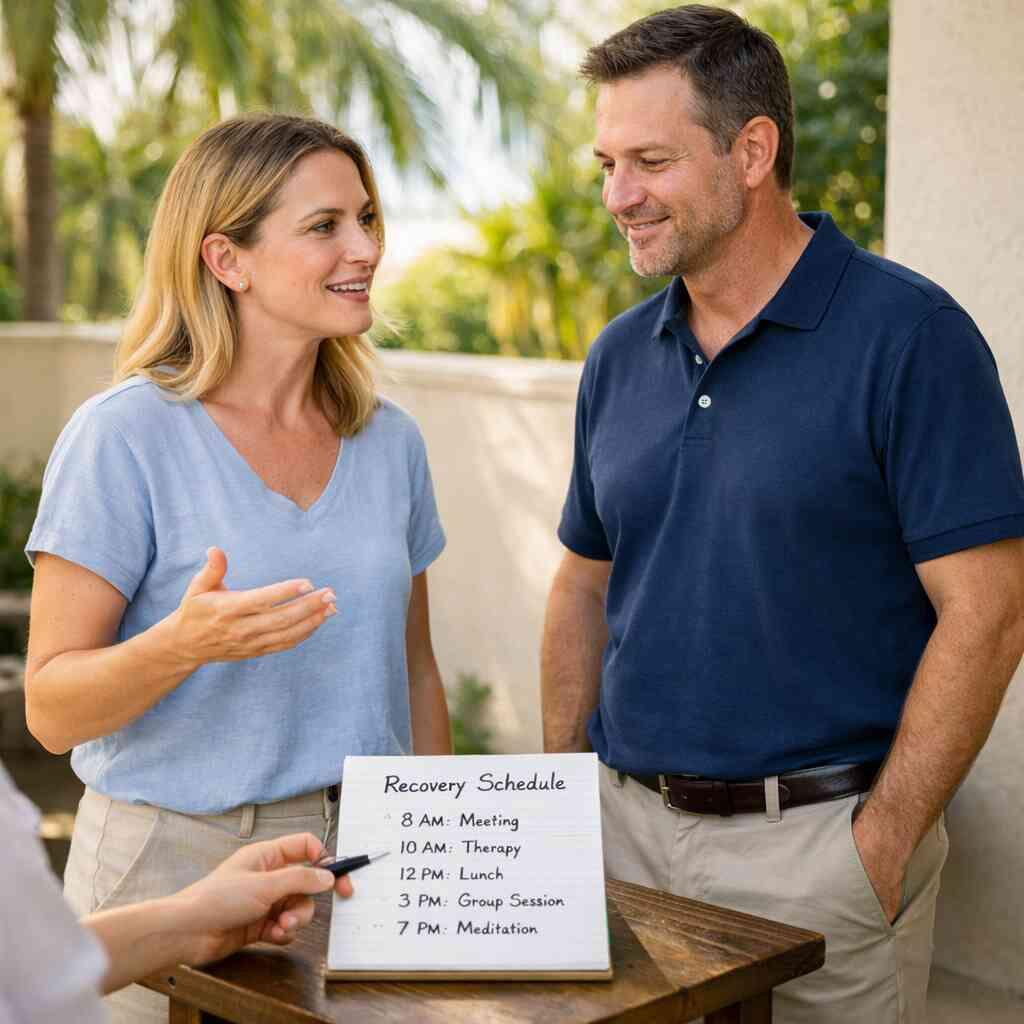
When partial hospitalization program care makes more sense than intensive outpatient
PHP is more structured than IOP. It usually offers more hours of treatment each week and more support during a fragile period. If you have just left detox, have strong cravings, or need close monitoring, partial hospitalization program care in Delray Beach may be a better fit than intensive outpatient for substance use. Think of PHP as heavier support and IOP as a step-down with more flexibility. That distinction helps families stop guessing. It also helps people return to life at a pace that matches their stability. ### What to expect from an outpatient program Delray Beach families can trust
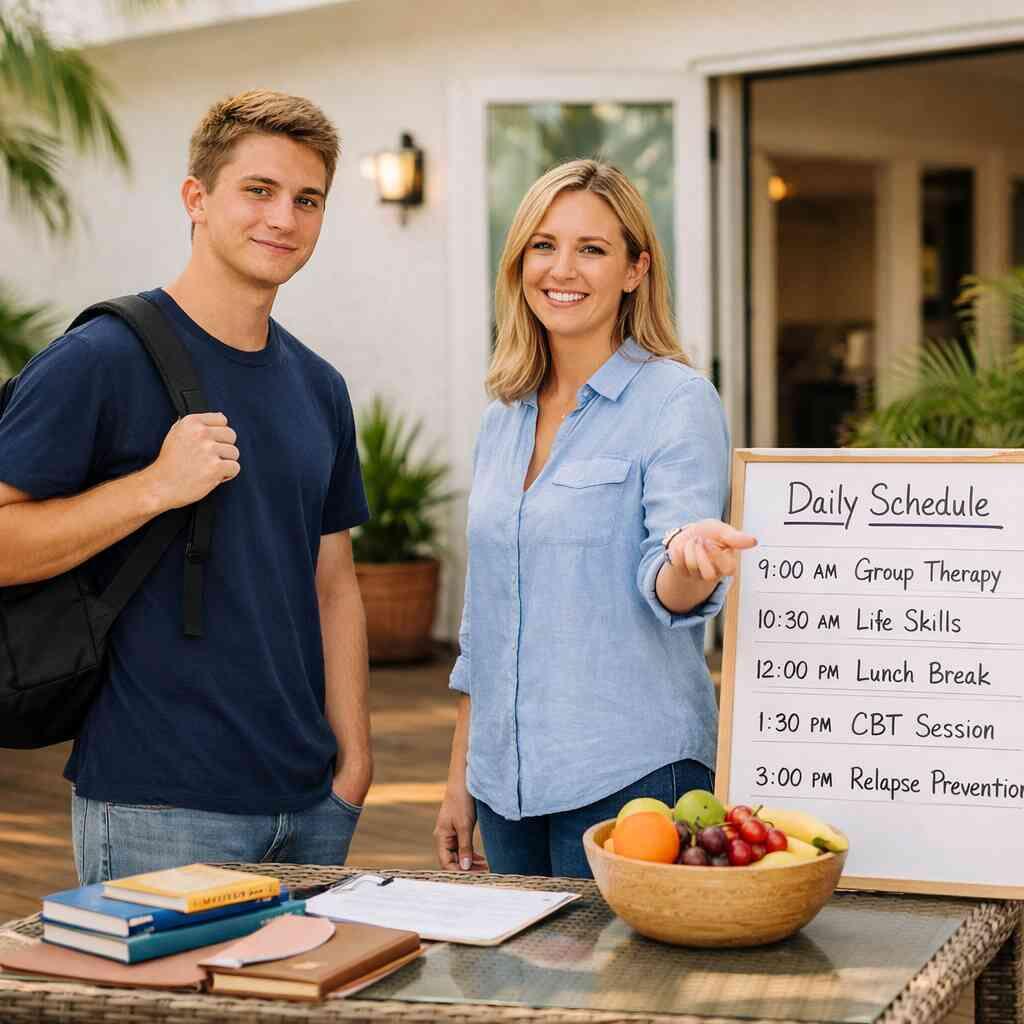
A trustworthy outpatient program should do more than fill time. It should assess safety, review symptoms, and build a plan that fits work or school. People often look for outpatient program Delray Beach options because they need care without stopping life entirely. The schedule may include groups, individual therapy, casework, and family sessions.
A good program also uses evidence-based care, not just discussion. If you are comparing outpatient recovery programs Delray Beach families recommend, ask how the team handles relapse risk, medication, and aftercare. That gives you a clearer picture than any brochure.
How mental health IOP supports depression, addiction, anxiety treatment, or bipolar disorder therapy
A mental health IOP is often the bridge people need. It can help when symptoms are active but not unsafe enough for residential care. It is especially helpful for depression and addiction care, anxiety and addiction support, or bipolar disorder therapy. The format gives regular contact while letting you practice daily life.
What matters most is whether the program knows how to treat both mental health and substance use together. That is the heart of co-occurring disorders support. If the team only talks about substances and ignores mood, you may not get stable results.
What insurance verification can uncover for Aetna, Cigna, Blue Cross Blue Shield, and out-of-network benefits
Insurance questions can feel awkward, but they are practical. A strong admissions team can explain benefits, authorizations, and what “in network” actually means. Insurance verification for Florida rehab can also uncover out-of-network rehab benefits that lower your costs more than you expected.
If you have Aetna, Cigna, or Blue Cross Blue Shield, the details matter. So do self-pay and private coverage options. RECO Island’s insurance verification for Florida rehab can help you sort that out before you commit, which is far better than finding out later.
The next move that makes recovery more stable after the meeting ends
A meeting can open the door. Stability comes from what happens after you walk back out. That is where aftercare, housing, family support, and practical planning begin to matter. In South Florida, the difference between drifting and staying connected is often the quality of the plan.
How aftercare planning, sober living resources, and alumni support reduce the chance of drifting
Good care does not stop at discharge. It continues through aftercare planning for long-term recovery, sober living resources in South Florida, and alumni connection. Those supports keep momentum alive when the structure of treatment ends. They are especially useful in the first stretch after residential or PHP care.
A strong alumni program can also reduce the isolation that often follows treatment. If you want continued connection, ask about aftercare planning for long-term recovery and recovery coaching and case management. Those services help turn effort into routine.
Why family therapy, case management, and life skills training matter after treatment
Families often want to help, but they do not always know how. Family therapy can teach boundaries, communication, and repair. Case management can connect the person to appointments, work support, and practical next steps. Life skills training can help with sleep, budgeting, meal planning, and time use, which all affect relapse risk.
RECO Island’s family-program work fits that broader idea. Recovery is easier to hold when the home system changes too. That does not mean blame. It means support becomes more useful.
How to use sober things to do in Delray and the South Florida recovery community to stay connected
Delray Beach gives people plenty to do that does not revolve around alcohol. You can walk near the beach, grab coffee on Atlantic Avenue, or spend time in quieter green spaces nearby. That matters more than it sounds. Empty time is risky time, especially early on.
A few simple ideas help:
- Attend one recovery meeting each week.
- Plan one sober meal or coffee with supportive people.
- Build a weekend routine before cravings get loud.
- Keep a list of three people you can text first.
The local recovery community in Delray Beach can be a real strength if you use it with intention.
What to ask during intake at RECO Island at 140 NE 4th Avenue Delray Beach FL 33483 before committing
If you are comparing programs, ask direct questions. Ask how the team handles detox referrals, dual diagnosis, and relapse risk. Ask whether they offer PHP, IOP, family support, and aftercare coordination. Ask what happens if symptoms change during treatment.
If you want a place that respects both clinical care and lived experience, start with our SMART Recovery support in South Florida and talk through your situation honestly. You do not have to sort everything out today. Pick one call, write down three questions, and ask what level of care fits your symptoms right now.
“RECO Island is an amazing place! The environment is peaceful and beautifully designed — very clean, modern, and comfortable. The staff are kind, caring, and professional. They truly help you feel safe and supported throughout the recovery process. Highly recommended for anyone looking for real healing and a positive atmosphere! 🌿💫”- Md H., a 5 star review from RECO Island on Google Business Reviews
Frequently Asked Questions
How long does detox last at a Delray Beach rehab?
Detox length depends on the substance, dose, health history, and recent use. Alcohol and benzodiazepine withdrawal can require closer monitoring than many people expect. Opioid withdrawal may be less medically dangerous, but it can still be intense. A clinical assessment gives the safest answer. If you are unsure, ask about our medical detox process before trying to handle it alone.
Does RECO Intensive take my insurance?
Insurance coverage depends on your plan, benefits, and network status. The quickest way to find out is a verification check. RECO Island can review Aetna, Cigna, Blue Cross Blue Shield, and out-of-network options. You can start with insurance verification for Florida rehab and get a clearer picture before making a decision.
What is the difference between PHP and IOP?
PHP usually offers more treatment hours and more structure than IOP. It works well for people who need a higher level of support after detox or during a fragile period. IOP allows more flexibility for work, school, or family duties. Both can help, but the best fit depends on symptoms, safety, and stability.
Can I bring my phone to treatment?
Policies vary by program and level of care. Many residential or PHP settings limit phone use at certain times so you can focus on treatment. Outpatient programs often allow more normal device use. Ask during intake so there are no surprises. Clear expectations help people settle in faster.
Is family involved in the program?
Family involvement can be very helpful, especially when communication has been strained. Many programs use family sessions, education, or weekend support. That can improve boundaries and reduce confusion at home. If family contact matters to you, ask about family-program options during the admissions call.
What if I need help for depression but not addiction?
That is still a valid reason to seek care. Depression, anxiety, bipolar symptoms, and trauma can all benefit from structured treatment. A mental health IOP may be a good fit if you need support but not detox or residential care. If substance use is also part of the picture, mention that early so the team can assess both together.