
What Is RECO Intensive Rehab and Who Is It For
RECO Intensive rehab is a structured addiction treatment program in Delray Beach for people who need more than standard outpatient care, especially when withdrawal risk, cravings, relapse, or mental health symptoms are all active at once. It is built for stabilization, daily support, and a clear path into ongoing recovery. If you are reading this […]
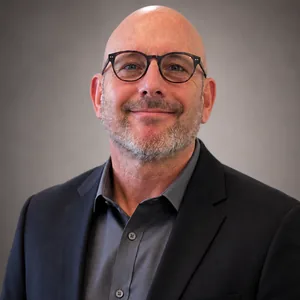
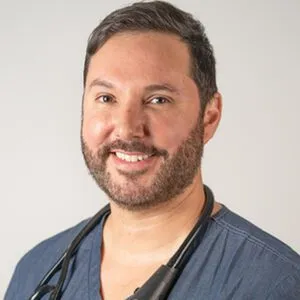
RECO Intensive rehab is a structured addiction treatment program in Delray Beach for people who need more than standard outpatient care, especially when withdrawal risk, cravings, relapse, or mental health symptoms are all active at once. It is built for stabilization, daily support, and a clear path into ongoing recovery.
If you are reading this because things feel unsteady, that makes sense. This part is genuinely confusing for most families, and the fear usually starts before the person even walks through the door.
Key Takeaways
- RECO Intensive rehab is designed for people who need a higher level of care than standard outpatient treatment.
- A partial hospitalization program and intensive outpatient structure offer more structure, more contact, and more accountability than weekly counseling alone.
- Insurance verification and intake help families understand coverage, timing, and the right level of care before they commit.
- Daily rhythm matters because recovery often improves when treatment also addresses mental health, coping skills, and real-life stress.
- For people with co-occurring disorders, integrated care is often essential, not optional.
When a Delray Beach rehab starts to feel like the only thing standing between chaos and change
RECO Intensive is often considered when daily life has become unsafe or unmanageable, but a person may still need clinical structure rather than full hospital care. In plain terms, it fits people who need close support for substance use, mental health symptoms, or both, and who may not stay stable in a standard outpatient setting.
Why RECO Intensive is often considered when detox, cravings, and relapse are all happening at once
This level of care usually enters the picture when someone has repeated relapse, strong cravings, or withdrawal concerns tied to alcohol, opioids, cocaine, fentanyl, heroin, prescription pills, or benzodiazepines. I often hear families say, “We can’t keep doing this at home,” and that is usually the moment higher structure starts to make sense.
In practice, that may mean a person needs help after South Florida detox so the next step does not collapse under stress. I have seen people come in after trying to white-knuckle it alone, only to realize that cravings and sleep loss were driving every bad decision. A stable schedule, medical oversight, and consistent clinical contact can lower that risk.
For readers comparing options, the best starting point is often the SAMHSA National Helpline, especially if you need immediate guidance on treatment levels. SAMHSA’s guidance is one reason clinicians still emphasize matching care to risk, not just to what sounds convenient.
What makes a partial hospitalization program and intensive outpatient structure different from standard outpatient care
A partial hospitalization program (PHP) gives you many hours of care across the week, while intensive outpatient (IOP) offers strong support with more flexibility. Standard outpatient care usually means fewer sessions and less daily oversight, which can be too thin when the person is still unstable.
Level of careTypical structureBest forStandard outpatient1-2 sessions per weekMild symptoms, stable home lifeIntensive outpatientSeveral sessions each weekOngoing recovery with some stabilityPartial hospitalization programDay-level clinical supportMore serious symptoms or relapse riskResidential treatment facility24/7 structured settingHigh instability or safety concernsThat difference matters in a place like Delray Beach, where a person can look “fine” on the outside while still struggling hard on the inside. A few hours of counseling is not always enough. A stronger structure can create enough room to sleep, eat, attend therapy, and stop reacting to every trigger at once.
Why insurance verification and the intake process matter before a family makes any decision
Insurance verification is not a formality. It tells you what the plan may cover, what out-of-network benefits might look like, and whether a person needs a certain level of care first. That saves time, stress, and avoidable surprise. The intake process also matters because the wrong level of care can slow recovery. During intake, a team usually looks at substance use patterns, mental health history, safety concerns, medications, and family support. If you are comparing Florida rehabs that take insurance, this is where honest answers matter more than polished marketing. One family I spoke with had been calling every “drug rehab near me” result they could find from Boca Raton to West Palm Beach. What finally helped was a simple intake review that clarified the person needed more structure than weekly therapy, but not emergency hospitalization. That kind of clarity can be a relief. 
What actually happens inside RECO Intensive and why the daily rhythm matters more than the label
RECO Intensive is not just a name on a brochure. The value is in the daily rhythm: evaluation, therapy, accountability, and support that repeat often enough to change behavior. For many people, that structure matters more than the label because recovery grows through repetition.
How a residential treatment facility or PHP level of care can support dual diagnosis treatment and co-occurring disorders
A higher level of care can help when addiction and mental health symptoms are feeding each other. That is the co-occurring disorders model, and it is the reason dual diagnosis treatment is so important for people with depression and addiction, anxiety, bipolar disorder, PTSD, or trauma-related symptoms.
The National Institute on Drug Abuse has long emphasized that substance use disorders and mental health conditions often overlap, and treating one without the other can leave a person stuck. That is especially true for people who look “high functioning” on the outside but are barely holding it together internally.
In my experience, the daily rhythm helps most when the person needs more than talk. It may include skills work, check-ins, goal planning, and practical support around sleep, nutrition, triggers, and home stress. If you are comparing a residential treatment facility to a PHP or IOP option, the real question is not prestige. It is whether the person will stay engaged long enough for the next safer step to make sense.
Here is the part most families miss: the schedule itself can be therapeutic. A predictable day reduces decision fatigue, which is a real problem in early recovery. When a person no longer has to decide what to do every hour, they can use that energy to heal.
The strongest programs also connect daily care to future planning. That may mean objective goal planning, relapse prevention, and case management that keeps the work grounded in real life rather than wishful thinking. If you want to understand how the broader treatment model fits together, the RECO Intensive overview is a helpful place to start.
RECO Intensive rehab is for people who need structure, not just encouragement. It can be a strong option for Delray Beach rehab seekers who want evidence-based treatment, licensed clinicians, and a coastal setting that feels calm without pretending the work will be easy. If someone needs safe stabilization and a clear path forward, that is the kind of setting I would want them to have.
“When I first arrived at reco I was a little terrified of detox. I had tried on my own so many times before and failed because the withdrawal symptoms were overwhelming. The staff here never left my side, they kept checking on me and adjusting my plan so I wouldn’t suffer more than I had to. The place itself feels nothing like a hospital or addiction rehab at all. It’s really peaceful and private and really put my mind at ease. What stood out the most was how personal the care felt, like they actually knew me and weren’t just following a generic process. That gave me hope I hadn’t felt in years. I walked away not only sober but believing in myself again.”- tim H., a 5 star review from RECO Island on Google Business Reviews
If you are trying to figure out the right next move, start with one call and one honest conversation. For RECO Island in Delray Beach, that number is +1 561-464-4077.
Frequently Asked Questions
Question: What Is RECO Intensive Rehab and Who Is It For, and how do I know if this Delray Beach rehab level of care is the right fit?
Answer: RECO Intensive rehab is designed for people who need more structure than a standard outpatient program Delray Beach option can provide, but who may not require 24/7 residential treatment facility care. It is often a fit for people dealing with active signs of addiction, relapse risk, cravings, withdrawal concerns, or co-occurring disorders such as depression and addiction, anxiety treatment needs, PTSD treatment, or bipolar disorder therapy. For many families, the key question is not just whether someone needs Florida addiction treatment, but whether they need enough accountability and daily support to stay safe and engaged. If a person has been cycling through alcohol or drug use, struggling with fentanyl treatment, opioid rehab Delray needs, cocaine detox Florida concerns, or prescription pill addiction, a higher level of care may be appropriate. RECO Island can help with intake process guidance and insurance verification so families can better understand whether partial hospitalization program or intensive outpatient care is the best next step.
Question: What is the difference between partial hospitalization program and intensive outpatient, and how does RECO Intensive decide which one is appropriate?
Answer: A partial hospitalization program typically offers more clinical hours and daily structure, while intensive outpatient provides strong support with more flexibility for work, school, or family responsibilities. The best fit depends on safety, symptom severity, home stability, and whether the person is able to manage recovery outside of treatment hours. Someone coming from South Florida detox or stepping down after inpatient rehab Palm Beach County care may need PHP first, especially if cravings, benzodiazepine withdrawal, heroin recovery concerns, or relapse risk are still active. Others may do well in a mental health IOP or outpatient program Delray Beach setting if they are medically stable and ready for more independence. RECO Island can use the intake process to help match the level of care to the person, which is often more helpful than simply searching drug rehab near me and hoping for the best. This kind of placement decision is especially important in dual diagnosis treatment, where mental health and substance use need to be addressed together.
Question: Does RECO Intensive help with dual diagnosis treatment and co-occurring disorders like trauma, anxiety, and depression and addiction?
Answer: Yes, RECO Intensive is built for people whose substance use and mental health symptoms are happening at the same time. That can include trauma therapy South Florida needs, PTSD treatment, depression and addiction, anxiety treatment, bipolar disorder therapy, and other co-occurring disorders. In many cases, recovery is more stable when treatment includes evidence-based treatment approaches such as cognitive behavioral therapy, dialectical behavior therapy, and, when appropriate, EMDR trauma therapy. Group therapy activities, family therapy, coping skills work, and relapse prevention planning can also support long-term recovery by helping people understand triggers and respond more effectively. For some individuals, medication-assisted treatment may also be part of the conversation, including options like Suboxone maintenance or Vivitrol injections, depending on clinical needs and provider recommendations. The advantage of a program like RECO Intensive is that it can support both the substance use side and the mental health side instead of treating them separately.
Question: What should families ask during insurance verification and intake if they are comparing Florida rehabs that take insurance?
Answer: Families should ask what level of care is recommended, what the insurance plan may cover, whether out-of-network benefits apply, and what self-pay options might be available if coverage is limited. It is also smart to ask whether the program supports specific needs such as young adult rehab, professional’s program concerns, LGBTQ+ affirmative treatment, veterans addiction help, or gender-specific treatment. During intake, families can also ask how aftercare planning works, whether sober living resources are part of the transition process, and how case management and life skills training may support recovery after the initial treatment phase. If you are comparing RECO Intensive reviews or looking at Florida rehabs that take insurance, these details matter more than marketing language. A trustworthy admissions process should help people understand whether the right fit is PHP, intensive outpatient, or another level of care, without pressure. For families near Delray Beach, Boca Raton outpatient care, West Palm Beach mental health support, or Broward County rehab referrals, getting clear answers early can reduce stress and help everyone make a more informed decision.
Question: How does RECO Intensive support long-term recovery beyond the initial stay?
Answer: Long-term recovery usually depends on what happens after the most intense part of treatment ends, which is why aftercare planning matters so much. RECO Intensive can support that process with relapse prevention, coping skills, case management, life skills training, nutritional counseling, and connection to sober living resources when appropriate. Many people also benefit from continuing support like 12-step alternatives, SMART Recovery, alumni program involvement, and ongoing follow-up that reinforces progress after treatment. A strong program should also help people think about daily life in recovery, including family relationships, sober things to do Delray, work routines, and the structure needed to stay grounded. Because recovery is rarely linear, having a clear step-down plan from partial hospitalization program to intensive outpatient and then to more flexible support can make the transition much safer. RECO Island’s setting in Delray Beach offers a coastal healing environment that can feel calm and restorative, but the real value is the combination of structure, accountability, and support that helps people keep building a life beyond addiction.