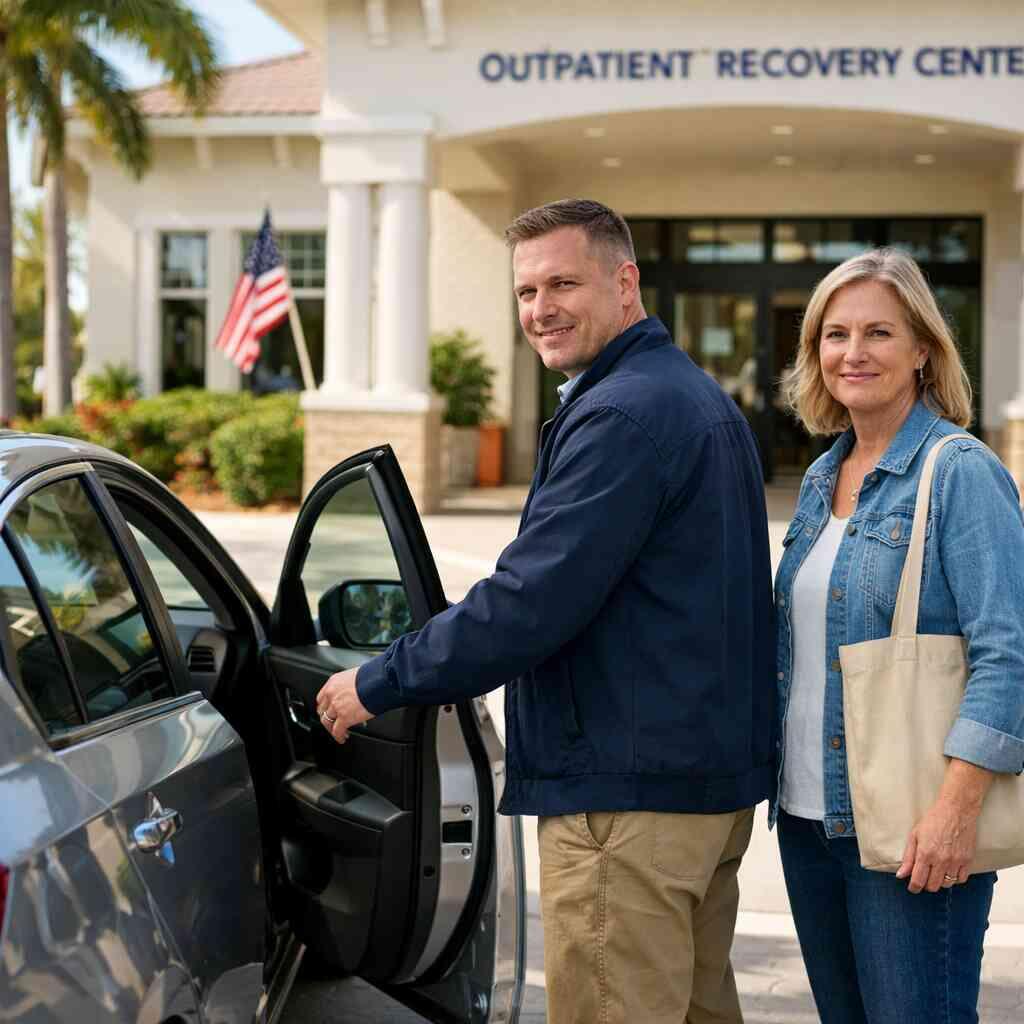
Why RECO Island Supports Veterans Day Recovery Planning
What Veterans Day can stir up when recovery is already fragile Veterans Day can bring up a lot, fast. Pride, grief, stress, guilt, and old survival habits can all show up in the same hour. If you are reading this because you feel that pressure building, that reaction makes sense. Holidays can make recovery feel […]

What Veterans Day can stir up when recovery is already fragile
Veterans Day can bring up a lot, fast. Pride, grief, stress, guilt, and old survival habits can all show up in the same hour. If you are reading this because you feel that pressure building, that reaction makes sense. Holidays can make recovery feel thinner, especially when alcohol is nearby and memories feel close to the surface. At RECO Island in Delray Beach, we hear this concern often from families looking for Veterans Day recovery planning in South Florida.
Why holidays can magnify PTSD, grief, and substance use at the same time
For many veterans, the holiday season does not feel festive. It can feel loud, crowded, and emotionally loaded. PTSD symptoms may rise when there are fireworks, unexpected questions, or family tension. Grief can also intensify, especially when someone missing from the table still feels present in the room. Substance use can then seem like the fastest way to quiet the noise.
Here is the part most people miss: these reactions often stack. A person may drink to calm anxiety, then feel shame, then drink again to escape shame. That loop is common in depression and addiction and in anxiety treatment cases, too. In the cases and care plans we have reviewed this year, that pattern often shows up before the holiday itself, not after it. If you notice the warning signs early, you can change the shape of the day.
The hidden pressure to show up, celebrate, or stay quiet when drinking is involved
Holiday pressure does not always sound dramatic. Sometimes it sounds like, “Just come for one hour.” Sometimes it sounds like, “No one will notice.” That kind of pressure can be brutal for someone trying to stay sober. It can also be hard for family members who do not want to make things awkward. If drinking is central to the event, silence can feel safer than honesty.
One veteran we spoke with, in a Delray Beach apartment near Atlantic Avenue, described feeling trapped by the same old script. The plan was a simple lunch, but the drinks came out early, and the questions came faster than expected. The solution was not more willpower. It was a clear exit plan, a sober ride, and a phone call before the gathering began. That is what good family support in recovery before the holidays can look like.
How South Florida recovery settings can lower stress before the day turns sideways
South Florida gives people some real advantages during a hard season. A calm setting matters. A structured day matters. Being near the coast, away from the noise of old routines, can help lower tension before it spikes. That does not fix everything, but it gives your nervous system less to fight.
A South Florida recovery setting can also make it easier to act early. You may have access to a Delray Beach rehab, a residential treatment facility, or a partial hospitalization program before the situation becomes urgent. In our experience, the biggest mistake is waiting for a crisis to decide. A short conversation now can prevent a much harder one later. If you want a local place to start, Veterans Day recovery planning in South Florida can make that easier to think through.
The planning choices that matter before a crisis starts
Planning ahead is not pessimistic. It is protective. This part is genuinely confusing for most people, because they are trying to balance fear, cost, and timing all at once. The good news is that a few concrete choices can lower pressure fast. You do not have to solve the whole problem today.
When a Delray Beach rehab should be part of the conversation instead of a last resort
A rehab conversation should start earlier than most families think. If someone is missing work, hiding use, having withdrawal symptoms, or drinking before noon, that is not “too early” to ask for help. The same is true if trauma, anger, or panic keep driving the use. A Delray Beach rehab should be on the table when the pattern keeps repeating. It should not wait until after a holiday fallout.
For veterans, the threshold is often lower than families expect. That is because dual diagnosis treatment may be needed when substance use overlaps with PTSD, depression, bipolar symptoms, or trauma-related sleep problems. A drug rehab near me search can be a useful start, but it should lead to a real assessment. If you need a local place to compare options, the right inpatient rehab Palm Beach County program or outpatient program Delray Beach can change the timeline in a meaningful way.
How insurance verification, private rehab options, and out-of-network benefits change the timeline
Money worries can freeze a decision. That is normal. Many families assume treatment will be out of reach before they even call. In reality, insurance verification often gives a faster answer than guessing. It can also clarify Aetna, Cigna, Blue Cross Blue Shield, and out-of-network benefits before the situation gets worse.
A private rehab may still be possible even if the plan is not obvious yet. Some people use self-pay options, and others find that out-of-network coverage helps more than expected. If you are comparing Florida rehabs that take insurance, ask for a clear breakdown of what the plan covers, what it does not, and what can happen next. That information can shorten the delay between “we should do something” and “we can start.” For a direct next step, review insurance verification for private rehab in Florida.
Why the intake process matters for veterans facing dual diagnosis treatment and co-occurring disorders
Intake is more than paperwork. It is where a treatment team learns what is driving the use, what symptoms are active, and what level of care makes sense. For veterans, that often means looking carefully at trauma, sleep, medication history, and any past detox experience. If the intake is rushed, important details can get missed. That can make the plan less safe.
The admissions process for rehab in Delray Beach should feel organized and calm, not chaotic. Good intake asks about alcohol, opioids, benzodiazepines, cannabis, and mood symptoms in a straightforward way. It also screens for co-occurring disorders, which means more than one condition is happening at once. A careful intake can help match someone to dual diagnosis treatment for co-occurring disorders rather than a one-size-fits-all path. That matters when safety and stability are both on the line.
What family support in recovery should look like before emotions run hot
Family support works best when it is specific. Before emotions run hot, decide who calls whom, who drives, and who speaks up if plans change. Keep it simple. People under stress do better with clear roles. They do not need a lecture.
A family can also help by learning what not to do. Do not argue about the past in the middle of a crisis. Do not minimize withdrawal, panic, or relapse risk. Do ask direct questions and stay calm. If family support feels shaky, family support in recovery before the holidays can help you set firmer ground.
What a real treatment plan looks like when trauma and addiction overlap
A strong treatment plan does not pretend trauma and substance use live in separate boxes. They rarely do. The same nervous system that learned to stay alert in combat can later use alcohol or pills to shut down. That is why treatment has to address both sides of the picture. Good care is specific, steady, and flexible.
How PTSD treatment, trauma therapy South Florida, and depression and addiction are often linked
PTSD can keep the body stuck in high alert. That can lead to sleep problems, irritability, numbness, or risky coping. When alcohol or drugs enter that picture, they may offer short relief but create longer pain. This is why PTSD treatment and trauma therapy South Florida are so important. They help the person work on the source, not just the symptom.
A veteran may also have depression and addiction at the same time. That combination can make mornings hard and evenings harder. It can also make treatment feel pointless if it is not built around real symptom relief. That is why evidence-based care matters. If you want a deeper look, PTSD treatment with trauma therapy in South Florida can help explain how those pieces connect.
Where evidence-based treatment fits for alcohol misuse, opioid rehab Delray, fentanyl treatment, heroin recovery, and prescription pill addiction
Evidence-based treatment means the care method has support from research, not just opinion. SAMHSA and NIDA both back this approach. It is the standard families should ask for. For alcohol misuse, that may mean therapy, medical support, and relapse prevention. For opioid use, the plan may need a stronger medical layer.
That matters for alcoholism treatment center needs, opioid rehab Delray, fentanyl treatment, heroin recovery, and prescription pill addiction. It also matters for cocaine detox Florida and benzodiazepine withdrawal, which can be medically serious. Treatment may include CBT, DBT, case management, and medical monitoring. If you are trying to compare service types, RECO Intensive outpatient and residential recovery services can help frame the level of care, while the clinical plan still needs to fit the person.
Why medication-assisted treatment such as Suboxone maintenance or Vivitrol injections may be discussed
Some people hear medication and think it means “more drugs.” That is not how clinicians see it. Medication-assisted treatment can reduce cravings, lower relapse risk, and create room for therapy to work. Suboxone maintenance and Vivitrol injections are two FDA-approved options often discussed for opioid and alcohol use patterns. They are not right for everyone, but they are worth a careful conversation.
The point is stability. If someone is waking up sick, panicked, or close to using, medication may help them stay engaged long enough to build new skills. That is especially true in early heroin recovery or after repeated relapse. A good plan makes room for safety, not shame. If you want a clearer comparison, medication-assisted treatment with Suboxone or Vivitrol explains the difference in plain language.
How PHP, intensive outpatient, and mental health IOP compare when structure has to stay flexible
Structure matters, but so does flexibility. That is why PHP and IOP options for flexible recovery can be such a good fit after detox or during a lower-intensity phase. A partial hospitalization program usually offers more hours and support than IOP. An intensive outpatient schedule is lighter and may work better for work or family needs. A mental health IOP can be especially useful when mood symptoms and substance use both need attention.
Level of careTypical useMain benefitPHPMore structure, more supportHelps when stability is still fragileIOPBalanced support and flexibilityFits work, school, or family dutiesMental health IOPMood and substance care togetherSupports dual diagnosis recoveryA person recovering from trauma may do better with a step-down plan instead of all-or-nothing thinking. That is often true at a residential treatment facility and after discharge, too. If daily life is crowded, a thoughtful schedule can keep treatment realistic. PHP and IOP options for flexible recovery offers a simple comparison.
The role of CBT, dialectical behavior therapy, EMDR trauma therapy, group therapy activities, and family therapy
Therapy works best when it teaches skills people can use the same day. Cognitive behavioral therapy helps identify thought traps and replace them. Dialectical behavior therapy teaches distress tolerance, emotion regulation, and better communication. EMDR trauma therapy is widely used for trauma processing, especially when memories feel stuck in the body. These are not buzzwords. They are practical tools. 
Group work matters, too. Group therapy activities reduce shame and help people practice honest conversation. Family therapy can repair patterns that keep relapse alive. When a family learns how to respond without panic, treatment gets stronger. For a closer look, evidence-based therapy with CBT and DBT gives a useful overview. ### Why holistic recovery tools like mindfulness meditation, nutrition counseling, yoga therapy, and art therapy can support steadier days
Holistic care should never replace treatment for withdrawal or trauma. It should support it. Mindfulness meditation can help people notice stress before they react. Nutrition counseling can restore energy after poor sleep or missed meals. Yoga therapy may help with body tension and breathing. Art therapy can give shape to feelings that are hard to say out loud.
These tools can sound soft, but they are often practical. A veteran who cannot sleep may benefit from breath work before bed. Someone in early recovery may need steady meals to reduce irritability. These details matter more than people think. They can make the difference between white-knuckling and actually coping. That is part of holistic recovery done well.
The next move that keeps Veterans Day from becoming a relapse point
A holiday does not have to become a setback. The goal is not perfection. The goal is staying connected to support after the stress passes. That is where aftercare matters most. The day after the holiday is often where the real risk lives.
How aftercare planning, relapse prevention, and coping skills keep momentum after the holiday ends
Aftercare planning should start before discharge, not after a crisis. It should name triggers, supports, and warning signs in plain language. Relapse prevention is stronger when it includes sleep, meals, meetings, therapy, and a contact list. Coping skills do not need to be fancy. They need to be repeatable when stress is high.
A veteran in early recovery may need a written plan for driving, social time, and morning structure. A family may need to agree on what happens if cravings spike. That plan should be realistic. When people practice it before the hard moment, it works better later. If that sounds useful, aftercare planning for long-term recovery offers a strong framework.
Where sober living resources, 12-step alternatives, SMART Recovery, and alumni program support can fit
Support after treatment should match the person, not the other way around. Some people do well with sober living resources. Others want a 12-step alternatives path like SMART Recovery. Many people use both at different times. There is no prize for doing it the hardest way.
An alumni program can also keep people connected after formal treatment ends. That connection matters because relapse often grows in isolation. A simple text, a meeting, or a check-in can interrupt that drift. If you want options near Palm Beach County, SMART Recovery and 12-step alternatives near Delray Beach can help you compare paths that feel more personal.
What veterans addiction help can look like through case management, life skills training, and vocational support
Good veterans addiction help is not only about stopping use. It also includes the things that make daily life workable. Case management can help with appointments, referrals, and step-down planning. Life skills training may cover routines, time management, and basic stability. Vocational support can help someone think about work without getting overwhelmed.
That support matters when confidence is low. A person may need help rebuilding structure before they can think about bigger goals. If they are also managing trauma or depression, the workload gets heavier fast. Good care should reduce that burden, not add to it. That is the heart of long-term recovery.
How Delray Beach recovery community options and sober things to do Delray can help replace old routines with safer ones
Delray Beach has a recovery culture that can support change. You can find meetings, beach walks, coffee shops, and quieter routines that do not revolve around drinking. That matters more than it sounds. A new routine has to be livable, not perfect. The goal is to replace old cues with safer ones.
People often underestimate how much environment shapes relapse risk. A short walk near the beach, an early dinner, or a community event can shift the day. Sober things to do Delray give people a way to stay connected without pressure. For someone leaving treatment, that can be huge. It helps turn support into habit, not just advice.
When to ask for a closer look at our admissions, our medical detox process, or our outpatient program Delray Beach
If you are still unsure what level of care fits, ask for a closer look now. That is especially true if there is withdrawal risk, recent relapse, or a long trauma history. A medical detox process can matter when alcohol, opioids, or benzodiazepines are involved. An outpatient program Delray Beach may be enough for someone who is stable but still needs structure. The right answer depends on the person, not the calendar.
What we have seen in 2026 specifically is that people wait too long because they think they need to be in “worse” shape first. They do not. If the pattern is hurting sleep, work, family, or safety, it deserves attention now. Start with one call, one review of benefits, or one intake conversation. You do not have to figure it all out today, and you do not have to do it alone.
Frequently Asked Questions
How long does detox last at a Delray Beach rehab?
Detox length varies by substance, health history, and symptom severity. Alcohol and benzodiazepine withdrawal can require close monitoring. Opioid withdrawal may move faster, but cravings can last longer. A medical team should decide the safest pace after assessment. If you want specifics, ask the admissions team about the intake process and whether medical detox is appropriate.
Does RECO Island take my insurance?
The fastest way to know is to request insurance verification. Coverage depends on your plan, network status, and benefits. Many families are surprised by what their plan may cover, including some out-of-network benefits. If you are comparing options, ask for a clear estimate before making a final choice.
What is the difference between PHP and IOP?
A partial hospitalization program usually offers more hours and structure than intensive outpatient care. PHP often fits people who need daily support without full residential treatment. IOP gives more flexibility for work, school, or family needs. The right fit depends on symptom severity, relapse risk, and daily responsibilities.
Can family be involved in treatment?
Yes, family involvement can be very helpful when it is guided and structured. Family therapy can improve communication, reduce confusion, and support recovery at home. Families often learn how to respond to triggers, set limits, and avoid unhelpful patterns. The best approach depends on the person’s treatment plan and comfort level.
What if I need help for depression but not addiction?
That still deserves care. Depression can be severe on its own, and it may also overlap with substance use even when that is not the main concern. A mental health IOP or dual diagnosis treatment assessment can help clarify what level of support fits. You do not need to wait for things to get worse before asking for help.
Are trauma therapies like EMDR and CBT evidence based?
Yes. Cognitive behavioral therapy and EMDR trauma therapy are both widely used and supported by research for many trauma-related concerns. They are not the right fit for every person, but they are common tools in modern care. A licensed clinician should explain how they apply to your situation and what to expect in sessions.
What should I do today if I think a veteran I love is at risk?
Start with one calm conversation. Ask about sleep, drinking, pills, and stress. Then call for an assessment or insurance check if needed. If withdrawal, overdose risk, or suicidal thoughts are present, get urgent medical help right away. One phone call today can change the next week.
*”I came to RECO with two days clean and sober and now I’ll be clean and sober 5 years next month. That speaks for itself in my opinion
More importantly, I feel phenomenal. And I’m having the time of my life ! At RECO I learned how to stay clean and sober. They taught me that. They gave me tools, bit I have to do my part to be sure.
I go to RECO many a Thursday night for a group therapy session, Alumni is invited to that as well. I find it extremely beneficial to my recovery program. It’s great to see current clients and staff members. Making connections with people is a key component of a strong and solid program. Very easy to do. Everybody is very supportive of each other.
Regardless of whatever aspect of RECO that a client might be involved in, rest assured that it will have excellent competence and professionalism.
The main RECO facility is state of the art, but it’s what happens inside, in the trenches, that is truly miraculous.
RECO gets good results, I’ve seen it first-hand, in myself.”*- Kekes K., a 5 star review from RECO Island on Google Business Reviews