Why Use Vivitrol or Suboxone in Opioid Recovery Care
If you are reading this while cravings keep crashing the day, that pressure is real. Opioid recovery care often starts with one hard truth: the brain and body need to be calm enough to think clearly again. That is why families and clients ask about Vivitrol for opioid recovery and Suboxone for opioid recovery so […]
If you are reading this while cravings keep crashing the day, that pressure is real. Opioid recovery care often starts with one hard truth: the brain and body need to be calm enough to think clearly again. That is why families and clients ask about Vivitrol for opioid recovery and Suboxone for opioid recovery so often. They are not magic. They are tools that can lower chaos and make treatment possible.
At RECO Island in Delray Beach, that conversation usually starts with safety, not shame. People want relief from withdrawal, but they also want to avoid another cycle of relapse, overdose risk, and fear. In South Florida detox settings, that balance matters. The right medication can create breathing room for therapy, sleep, and steady decision-making.
When cravings keep winning, why do Vivitrol and Suboxone change the game?
What opioid recovery care is really trying to stabilize before anything else
Opioid recovery care is trying to stabilize three things fast: withdrawal, cravings, and risk. If those stay loud, nothing else lands. A person may want help yet still feel pulled back toward use by the body itself. That is not weakness. It is biology.
Here is the part most people miss. Early treatment is not only about stopping use. It is about reducing the panic that follows stopping. When someone enters a medical detox process, clinicians watch sleep, hydration, blood pressure, and withdrawal symptoms closely. That structure can make the difference between an interrupted attempt and real momentum.
How cravings, withdrawal, and overdose risk shape the treatment plan
Cravings are not just thoughts. They can feel physical, urgent, and consuming. Withdrawal can add nausea, sweating, muscle pain, anxiety, and insomnia. Then overdose risk rises when tolerance drops and use becomes less predictable. That combination makes opioid addiction treatment more urgent than many families realize.
A client once described it this way: “I could handle the idea of quitting. I could not handle the next six hours.” That sentence captures the clinical problem. Medication-assisted treatment for opioid use disorder can reduce the intensity enough for the person to stay engaged. In South Florida detox, that often means matching the medication to the patient’s timing, history, and risk pattern.
Why medication can help the brain quiet down enough for therapy to work
The brain under opioid stress has trouble learning new habits. It stays focused on relief. That is why therapy can feel useless when withdrawal is still loud. Medication can lower that noise so the person can actually absorb coping skills, not just hear them.
This is where evidence-based treatment matters. SAMHSA guidelines and NIDA both support medication-assisted recovery for opioid use disorder. The goal is not to replace one dependency with another. The goal is to create enough stability for cognitive behavioral therapy, dialectical behavior therapy, and relapse prevention planning to take root. That is especially important in an outpatient program Delray Beach families can use after detox.
Where Vivitrol injections and Suboxone maintenance fit in a South Florida detox plan
Vivitrol injections and Suboxone maintenance fit at different points in the plan. Vivitrol is usually considered after opioid-free time. Suboxone may be started earlier, when withdrawal support is needed and the patient is clinically appropriate for it. Both can be part of opioid detox aftercare when used carefully and monitored by licensed clinicians.
In practice, the choice depends on timing, cravings, and the level of structure needed. A residential treatment facility may start with detox, then move someone into PHP or intensive outpatient. In a coastal city like Delray Beach, that continuity matters because people often leave treatment and return to the same triggers quickly. A steady plan lowers the chance that motivation gets lost in the gap.
Why one medication blocks opioids while the other eases them — and why both can matter
How naltrexone treatment works in Vivitrol and why opioid-free time matters first
Vivitrol contains naltrexone, an opioid blocker. It attaches to opioid receptors and prevents other opioids from producing a high. That can help with relapse prevention in opioid recovery because the reward loop is interrupted. But there is a catch. The person must be opioid free first, or withdrawal can intensify.
That requirement is why Vivitrol can be a strong fit for some people and a poor fit for others. If you have fentanyl treatment needs, heroin recovery goals, or prescription pill addiction treatment needs, timing matters more than brand names. The medication must match the reality of the body, not the wish for a quick fix. For a plain-language overview, see The Difference Between Suboxone Maintenance and Vivitrol.
How buprenorphine treatment in Suboxone lowers withdrawal and reduces cravings
Suboxone combines buprenorphine and naloxone. Buprenorphine is a partial opioid agonist, which means it activates receptors enough to reduce withdrawal and cravings, but not enough to produce the same effect as full opioids. Naloxone helps discourage misuse. For many people, that makes the medication feel more tolerable in early recovery.
Suboxone maintenance can be especially helpful when someone keeps bouncing in and out of detox. It may support sleep, appetite, and daily functioning while therapy begins. That is one reason many clinicians view it as part of withdrawal symptom support rather than a shortcut. It can be a bridge into lasting change when the risks are high.
When medication-assisted treatment supports fentanyl treatment, heroin recovery, and prescription pill addiction
Fentanyl has changed the clinical picture. People often need more careful planning because the withdrawal curve can be unpredictable. Heroin recovery and prescription pill addiction treatment can also require different timing, especially if the person used several substances together. That is common in real life, even when it is not discussed openly.
In the cases we see most often in South Florida, polysubstance use means the plan must stay flexible. A patient may need opioid addiction treatment and South Florida detox with medication-assisted care rather than a one-size-fits-all approach. The right medication can help stabilize the early days so the rest of treatment has a chance to work. That is especially true when trauma, alcohol use, or benzodiazepine withdrawal is also present.
What the choice means for relapse prevention in opioid recovery and long-term stability
The choice between Vivitrol and Suboxone affects relapse prevention differently. Vivitrol blocks the reward of opioid use. Suboxone lowers the urge to use in the first place. Both can support long-term recovery, but only when they fit the person’s needs, history, and readiness.
MedicationMain roleCommon advantageCommon challengeVivitrolBlocks opioid effectsHelpful for relapse prevention after detoxNeeds opioid-free time firstSuboxoneEases withdrawal and cravingsSupports early stabilizationMust be monitored carefullyThis is not about which medication is “better.” It is about which one aligns with the clinical picture. That decision should come from an assessment, not stigma. It should also connect to a larger plan that includes Vivitrol injections and Suboxone maintenance for relapse prevention, therapy, and aftercare.
The clinical picture should decide treatment, not stigma or guessing
How opioid use disorder therapy changes when dual diagnosis is part of the story
Opioid use disorder rarely travels alone. Dual diagnosis means a substance use disorder and a mental health condition happen together. NIDA notes that co-occurring disorders often need integrated care, not separate silos. That matters because untreated depression or anxiety can keep pulling someone back toward opioids.
A Delray Beach rehab that understands dual diagnosis treatment will not treat cravings as the whole story. It will look at sleep, mood, trauma, and function. That is where licensed clinicians, psychiatric support, and structured therapy all matter. If you want more on that model, the dual diagnosis treatment for opioid recovery and co-occurring disorders approach can clarify how the pieces fit together.
Why depression, addiction, anxiety treatment, PTSD treatment, and bipolar disorder therapy need the same room
Depression and addiction often feed each other. Anxiety can make cravings feel louder. PTSD can keep the nervous system on guard. Bipolar disorder therapy may be essential when mood swings are driving risk. If those concerns live in separate rooms, treatment can stall.
At RECO Island, that is why co-occurring disorders matter in the intake process. A person may need medication for opioid recovery and separate support for mood, sleep, or trauma symptoms. That does not mean they are “too complex.” It means the clinical picture is real. In some cases, a RECO Psychiatry referral for co-occurring disorders and medication management helps keep the plan coordinated.
Where cognitive behavioral therapy, dialectical behavior therapy, and EMDR trauma therapy fit
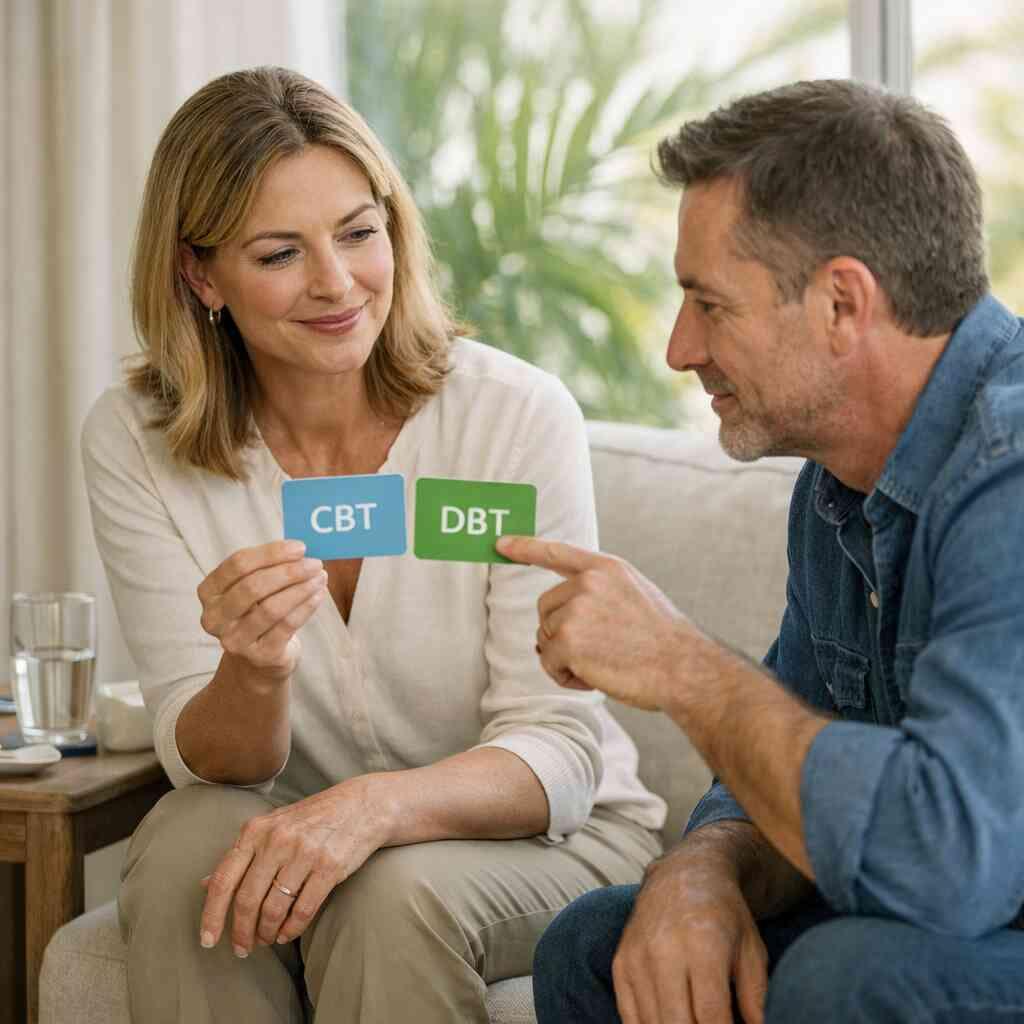
Medication alone rarely closes the loop. Therapy teaches the person what to do when stress, anger, or panic shows up. Cognitive behavioral therapy helps identify thoughts that trigger use. Dialectical behavior therapy strengthens distress tolerance and emotional control. EMDR trauma therapy can help some people process traumatic memories that keep the nervous system stuck.
These methods are supported by evidence, but they still require repetition. Learning new skills takes time and practice. That is why trauma therapy South Florida programs often pair well with medication-assisted recovery. If opioid use started after loss, abuse, military stress, or repeated instability, a trauma therapy in South Florida for opioid recovery support track may be part of the right plan.
How group therapy, family therapy, and case management reinforce medication-assisted recovery
Group therapy shows the person that recovery can happen in a room with other people who understand the struggle. Family therapy helps clear up blame, confusion, and broken routines at home. Case management connects the clinical plan to real life, including transportation, work, housing, and next-step care. These supports are not extras. They are the scaffolding.
One father in the Palm Beach County area came in worried that his son needed “just detox.” After a few days, it became clear the real issue was panic, isolation, and a lack of structure after work. That is common. The right mix of RECO Island mental health therapy and group support and medication-assisted recovery can help keep the plan steady when motivation gets shaky.
What treatment looks like in Delray Beach when the real world is part of the plan
How a Delray Beach rehab can connect detox, PHP, and intensive outpatient without losing momentum
A strong Delray Beach rehab does not stop at detox. It connects the person to PHP, intensive outpatient, and aftercare without making them start over each time. That continuity matters because the danger often rises after the acute phase ends. People feel better, then assume the hard part is over.
In a city like Delray Beach, that transition can happen fast. A person may leave a South Florida detox setting and need the next level the same week. When the plan is well built, that handoff can include medical follow-up, group work, and medication checks. It can also lead into PHP and IOP levels for opioid rehab in Delray Beach without losing momentum.
What a partial hospitalization program and intensive outpatient program actually change day to day
A partial hospitalization program gives you more structure during the day. An intensive outpatient program gives you more flexibility while still keeping treatment strong. PHP usually means more hours, more clinical contact, and more support early on. IOP usually fits when the person can handle more independence but still needs steady care. 
The difference is not just schedule. It changes how people sleep, work, and manage triggers. PHP can feel like a reset. IOP can feel like practice in the real world. For many clients, the right sequence is residential treatment facility, then PHP, then intensive outpatient, then ongoing support. That is how recovery support medications and therapy stay connected.
Why a coastal healing environment near Atlantic Avenue can support routine and regulation
Location does matter, even in clinical care. A coastal healing environment near Atlantic Avenue can lower sensory overload and support routine. Morning light, calmer walks, and a predictable setting can help some people regulate after weeks of chaos. That does not cure opioid use disorder. It just helps the nervous system settle enough to participate.
Delray Beach also has a visible recovery community. That matters because people in early recovery need sober things to do Delray locals already know about, not just a bed and a brochure. A calmer setting near the beach can support recovery, especially when paired with evidence-based treatment. The setting should never replace the care plan, but it can support it.
How aftercare planning, sober living resources, and alumni programs support long-term recovery
Aftercare planning is where many programs either shine or fall short. Good aftercare starts before discharge. It should include follow-up visits, medication planning, housing options, and relapse prevention in opioid recovery. It may also include sober living resources, alumni support, and case management.
That long view matters. Opioid recovery is not a single event. It is a series of well-timed supports. RECO’s continuing care model aligns with best practices because it treats the next phase as part of treatment, not an afterthought. For more detail, see aftercare planning and long-term recovery support after opioid treatment.
How to choose the right opioid recovery path without wasting time or missing the window
What questions to ask about insurance verification, self-pay options, and out-of-network benefits
Cost worries can delay care. That delay can be dangerous. Ask directly about insurance verification, self-pay options, and out-of-network benefits before you wait another week. A clear answer is better than a vague promise.
Use a short checklist:
- Does the program accept Aetna, Cigna, or Blue Cross Blue Shield?
- Are there out-of-network benefits?
- What does insurance verification actually cover?
- What costs are due up front?
- Does the team explain the intake process clearly?
If you need it, start with RECO Island admissions and insurance verification for rehab. That kind of clarity can reduce fear fast.
How to compare private rehab options in Palm Beach County without chasing marketing language
Private rehab should be judged by care quality, not slogans. Look for licensed clinicians, evidence-based treatment, and clear coordination between detox, therapy, and medication management. Ask about Joint Commission accreditation or DCF licensing if that matters to you. Also ask how they handle dual diagnosis, family work, and discharge planning.
The question is not “Who sounds best?” It is “Who can match the care to the clinical need?” In Palm Beach County, you may see many options that mention beachside recovery, but not all explain the process well. A strong program should be able to describe opioid rehab Delray services in plain language. That is the standard that matters.
When family weekend intervention services and support for young adult rehab or professional programs matter
Family involvement can change the outcome. Family weekend sessions help relatives stop guessing and start supporting. Intervention services may be needed when the person cannot see the risk clearly. Young adult rehab and professional programs can also help when work pressure, identity issues, or peer circles keep the cycle going.
In our experience, families usually wait too long to ask for help. They hope the problem will settle down after one crisis. It rarely does. If the person is juggling school, work, or a job in South Florida’s fast-moving coastal economy, structure matters even more. Family therapy can turn conflict into a shared plan.
What to do next if you are deciding between Vivitrol, Suboxone, or another evidence-based treatment path
Start with an assessment, not a guess. A good team will review withdrawal history, overdose risk, mental health symptoms, and prior treatment. Then they can discuss Vivitrol, Suboxone, or another evidence-based treatment path in context. That is the safest way to choose.
If the choice still feels heavy, keep it simple. Ask for one clinical conversation, one benefits check, and one treatment recommendation. You do not have to figure this out alone, and you do not have to figure it all out today. If you are ready, reach out to RECO Island and ask how their Delray Beach recovery community can help you match the plan to the problem.
Frequently Asked Questions
How long does detox last at a Delray Beach rehab?
Detox length depends on the substance, the amount used, and your health history. Opioid withdrawal often starts within a day and can last several days, but sleep and mood can take longer to settle. Fentanyl treatment may need extra monitoring because timing can be less predictable. A team should adjust care based on symptoms, not a fixed clock.
Does RECO Island take my insurance?
Insurance coverage can change based on the plan and the level of care. The safest move is to complete insurance verification before admission. Ask about Aetna, Cigna, Blue Cross Blue Shield, and out-of-network benefits if those apply to you. You can also ask about self-pay options if coverage is limited.
What is the difference between PHP and IOP?
PHP, or partial hospitalization program, usually gives you more hours of treatment each day. IOP, or intensive outpatient, offers strong support with more flexibility for work or family duties. PHP often fits earlier in recovery. IOP often works well after stabilization or step-down care. The right level depends on symptoms, safety, and daily function.
Can family be involved in treatment?
Yes, family can play a major role. Family therapy helps improve communication, rebuild trust, and reduce enabling patterns. Some programs also offer family weekend education or intervention services. When relatives learn the process, they usually feel less afraid and more useful. That support can strengthen relapse prevention in opioid recovery.
What if I need help for depression but not addiction?
That still matters. Depression and addiction often overlap, but depression can also stand alone. If opioids are not the issue, a mental health IOP or dual diagnosis review may still help clarify the right level of care. Treatment may include CBT, medication management, or trauma therapy South Florida services depending on your needs.
Is Vivitrol better than Suboxone?
Neither is automatically better. Vivitrol blocks opioid effects and may work well after detox. Suboxone lowers withdrawal and cravings and may help earlier in recovery. The right choice depends on your opioid history, overdose risk, mental health, and readiness. A clinical assessment should guide the decision, not stigma or guesswork.